Money in Romania: Currency, Euros and Cards
Romania uses the Romanian leu (RON), not the euro. Cards are widely accepted in cities, hotels, restaurants and shops, and ATMs are everywhere, so most travellers only need a little cash for markets, villages and small guesthouses. For the rest of your planning, see our Discover Romania guide.
Below we explain how the currency works, where to pay by card, how to avoid unnecessary fees at ATMs and exchange offices and how much cash to carry.
Published:

Key facts
- The currency is the Romanian leu (RON); the plural is lei, and 1 leu = 100 bani.
- Romania is in the EU but not in the eurozone: prices are in lei and euros are rarely accepted.
- Cards and contactless payments are accepted in most hotels, restaurants, shops and ride-hailing apps.
- At ATMs and card terminals, choose to pay in lei and decline the conversion to your own currency.
- Carry some cash for markets, villages, small guesthouses, parking and tips.
The Romanian Leu at a Glance
The leu has been Romania’s currency for a long time, and despite EU membership the country has not adopted the euro. Banknotes are made of polymer, so they are hard to tear and easy to tell apart by colour and size.
| Item | Details |
|---|---|
| Currency | Romanian leu (RON), plural lei |
| Subunit | 1 leu = 100 bani |
| Banknotes | 1, 5, 10, 50, 100, 200 and 500 lei |
| Coins | 1, 5, 10 and 50 bani |
| Exchange rate | Roughly 5 lei to the euro in recent years; check the current rate before you travel |
Can You Pay in Euros in Romania?
Generally, no. Shops, restaurants, museums and transport charge in lei. Some hotels, tour operators and car rental companies quote prices in euros, but you will usually pay the equivalent in lei or by card.
If a place does accept euros in cash, the exchange rate is rarely in your favour. It is simpler and cheaper to pay in lei or by card.
Food Tours to Try Romanian Flavours
A food lovers’ tour of Bucharest’s markets and hidden spots, a street food and culture tour and a private walking tour of the old town, all booked on Viator.
We may earn a commission when you book through our links, at no extra cost to you. Bookings are handled directly by Viator. How we work.
 Viator
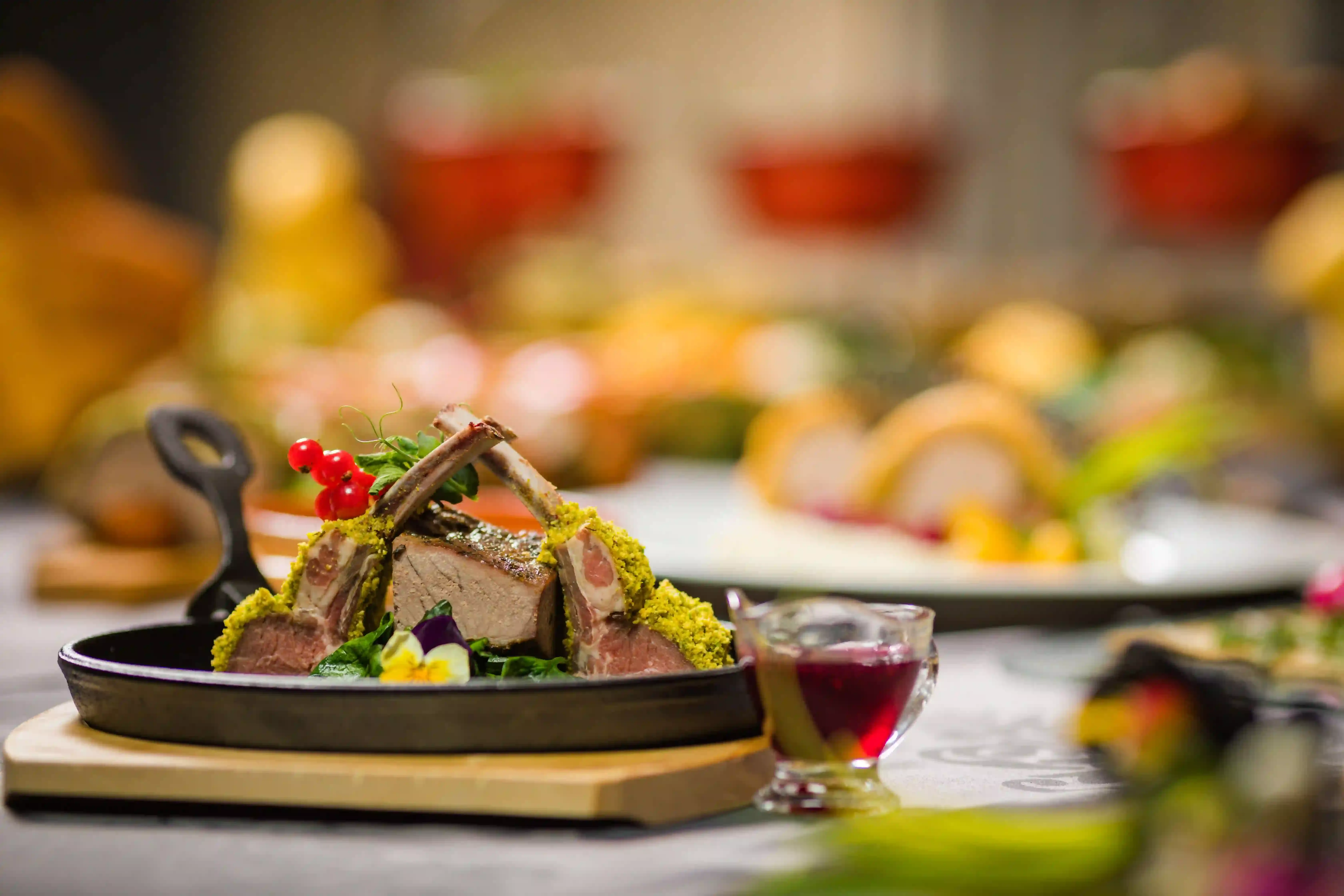
Bucharest Food Lovers Tour: Markets, Tastings & Hidden Spots
A small-group food walking tour of Bucharest with a local guide: traditional markets, tastings and hidden corners of the old mahalale neighbourhoods.
* Prices are indicative and subject to seasonal variations or changes applied by the official provider. The exact price and availability are confirmed on the booking platform.
 Viator
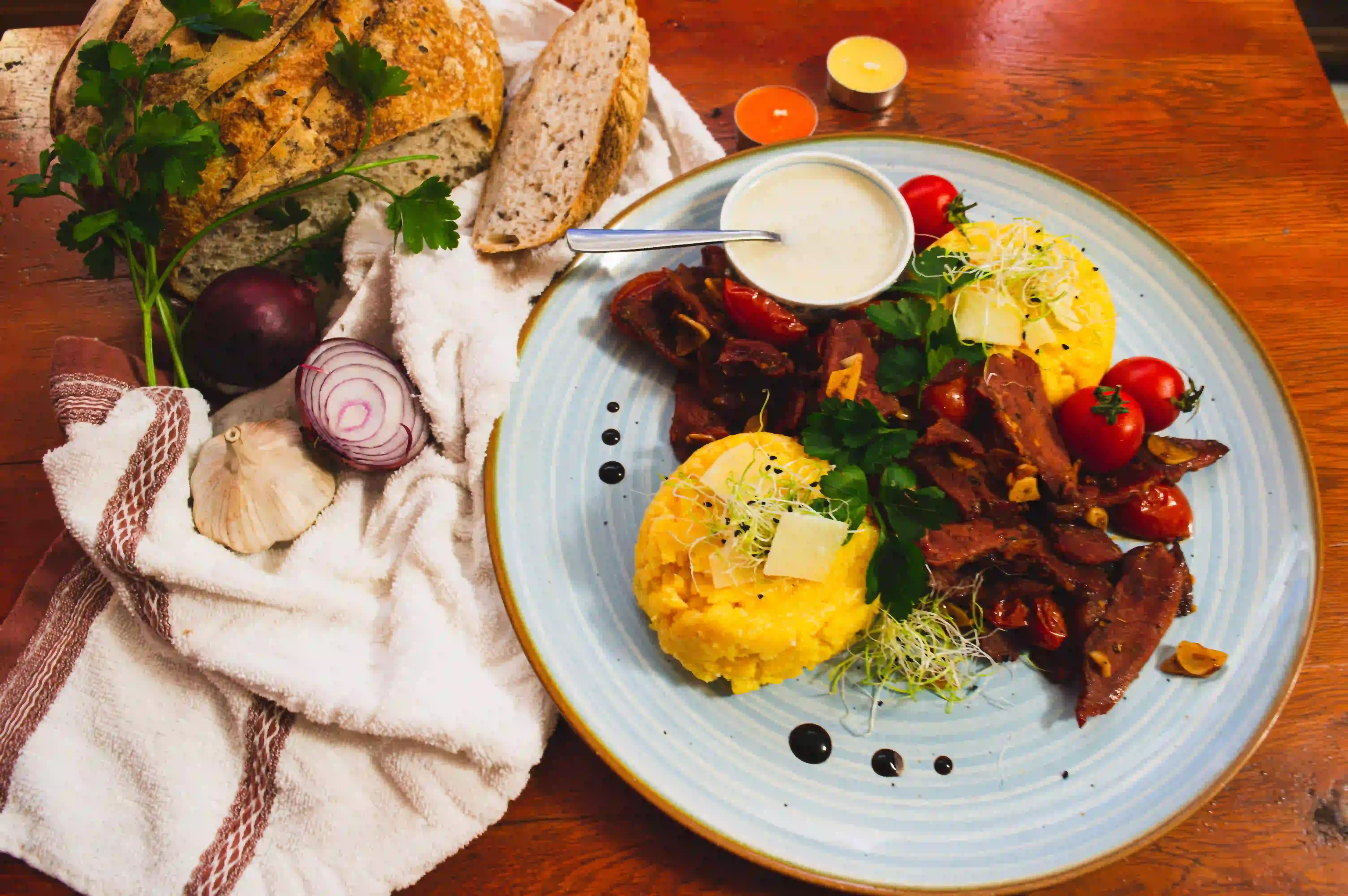
Street Food’n’Culture Tour in Bucharest
Taste Romanian street food while discovering Bucharest’s culture and history on a guided food and culture walk.
* Prices are indicative and subject to seasonal variations or changes applied by the official provider. The exact price and availability are confirmed on the booking platform.
 Viator
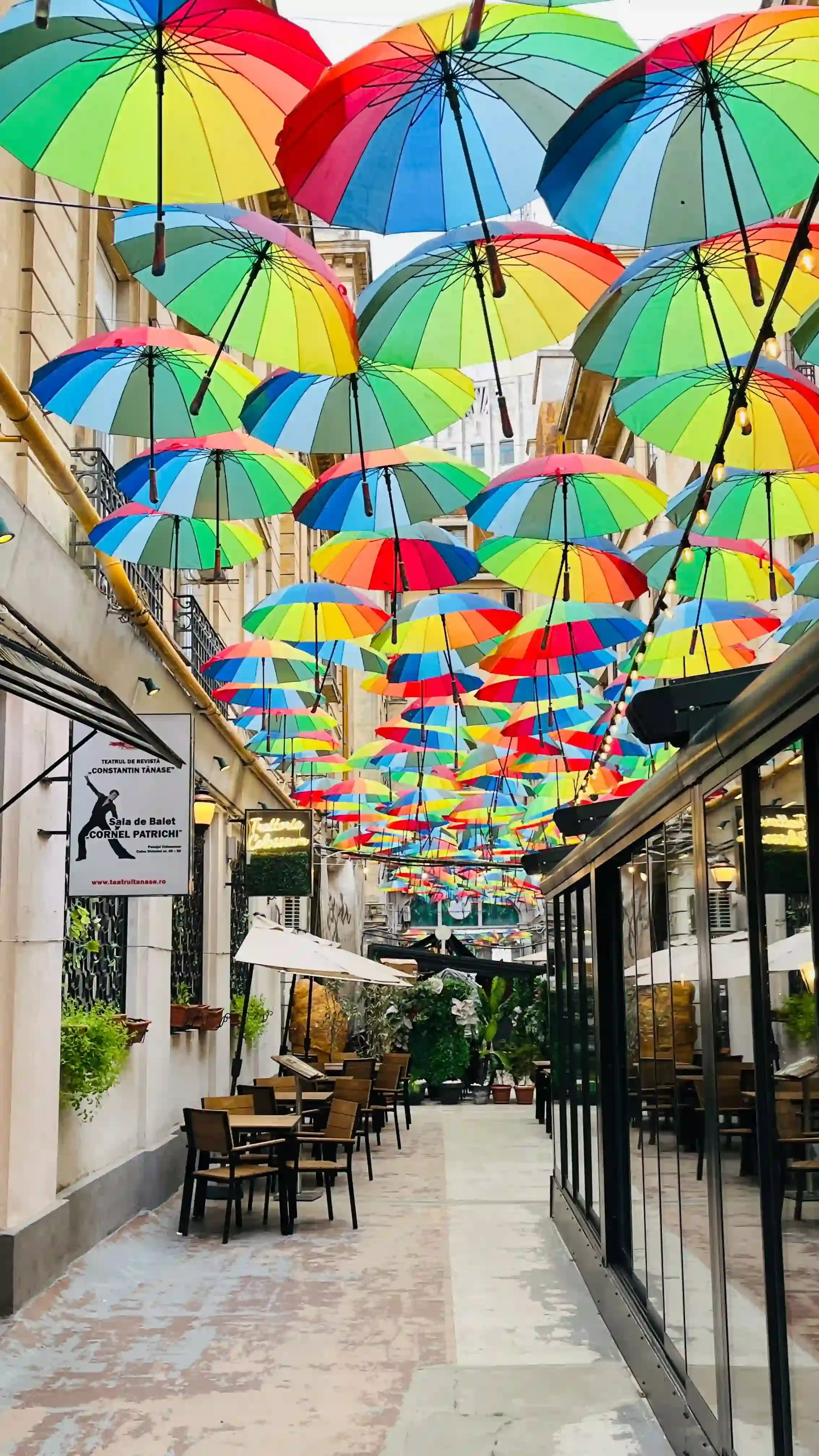
Best of Bucharest | Private Walking Tour
A private walking tour of the best of Bucharest with your own guide: the Old Town, historic churches and the stories behind the city. Price is per group.
* Prices are indicative and subject to seasonal variations or changes applied by the official provider. The exact price and availability are confirmed on the booking platform.
* Prices are indicative and subject to seasonal variations or changes applied by the official provider. The exact price and availability are confirmed on the booking platform.
Paying by Card
Visa and Mastercard are accepted almost everywhere in cities and tourist areas, and contactless payment with cards or phones is common. Ride-hailing apps in the big cities are also paid by card.
When a card terminal or ATM offers to charge you in your home currency, always choose lei. The conversion offered on the spot (dynamic currency conversion) usually comes with a worse exchange rate.
ATMs and Exchanging Money
ATMs (called bancomat) are easy to find in cities and towns. A few tips help you avoid unnecessary costs:
- Use bank ATMs where possible; some independent machines in tourist areas charge higher fees.
- Decline the conversion and choose to be charged in lei.
- Avoid exchanging money at the airport, where rates are usually worse.
- At exchange offices (casa de schimb), check the posted rate and the final amount before handing over your money.
- Check with your own bank what it charges for foreign withdrawals and card payments.
How Much Cash Should You Carry?
In the cities you can pay for almost everything by card, but cash is still useful in a few situations:
- Markets, Christmas fairs and small stalls.
- Villages and small guesthouses, especially in rural Transylvania.
- Parking, public toilets and some local buses.
- Tips in restaurants and for guides.
- A small amount, enough for a day or two, is usually plenty. You can withdraw more as you go. If you are planning a route, see our 7-day Romania itinerary.
Money in Romania: FAQ
What currency does Romania use?
The Romanian leu (RON), plural lei. One leu is divided into 100 bani. Romania is in the EU but does not use the euro.
Can I pay in euros in Romania?
Generally no. Prices are in lei. Some hotels and tour operators quote in euros, but you usually pay in lei or by card.
Are cards accepted in Romania?
Yes. Visa and Mastercard are accepted almost everywhere in cities and tourist areas, and contactless payment is common. Carry some cash for villages and markets.
Should I pay in lei or in my own currency?
Always in lei. When an ATM or card terminal offers to convert to your currency, decline: the on-the-spot conversion usually has a worse rate.
Where is the best place to exchange money?
Usually it is simpler to withdraw lei from a bank ATM or pay by card. If you exchange cash, avoid the airport and check the posted rate and final amount at the exchange office.
How much is 1 euro in lei?
In recent years it has been roughly 5 lei. Rates change, so check the current rate before your trip.