The Saxon Fortified Churches of Transylvania
In the villages of southern Transylvania, the Saxons, German settlers who arrived from the 12th century, turned their churches into fortresses with thick walls, towers and storerooms to survive raids. More than 150 of them still stand, and seven villages, including Biertan, Viscri and Prejmer, are a UNESCO World Heritage Site. They are one of the highlights of the cultural tours and museums we recommend.
Below we explain their history, which churches to visit and how to plan the route.
Published:
Key facts
- The Transylvanian Saxons built their fortified churches mainly between the 13th and 16th centuries.
- More than 150 fortified churches survive in Transylvania, more than anywhere else in Europe.
- Seven villages are on the UNESCO list: Biertan, Viscri, Prejmer, Saschiz, Câlnic, Dârjiu and Valea Viilor.
- The best bases are Sighișoara for Biertan, Viscri and Saschiz, and Brașov for Prejmer and Hărman.
- Many churches are looked after by a local caretaker; opening times vary, so check before you go.
The Best Fortified Churches at a Glance
These are the churches and fortresses most visitors include:
| Church | Near | Highlights |
|---|---|---|
| Biertan | Sighișoara | Hilltop church with three rings of walls, UNESCO |
| Viscri | Rupea | White-walled church in a traditional Saxon village, UNESCO |
| Prejmer | Brașov | The largest fortified church in the region, with storerooms in its walls, UNESCO |
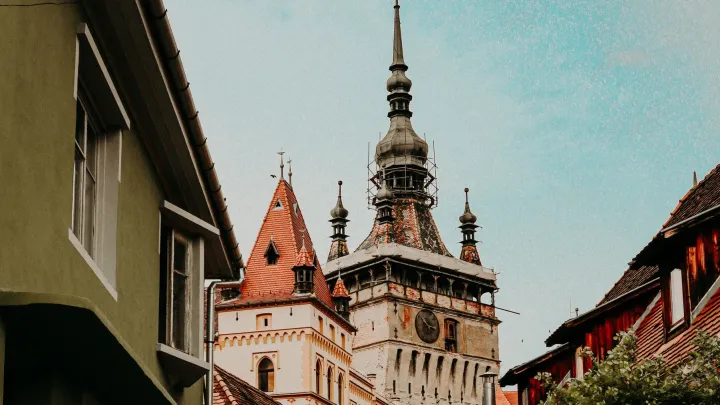
| Saschiz | Sighișoara | A church with a tall clock tower and a hilltop citadel, UNESCO |
| Hărman | Brașov | A church surrounded by round towers and walls |
| Rupea Fortress | Between Brașov and Sighișoara | A hilltop fortress, often combined with Viscri |
Who Were the Saxons and Why Fortify Churches?
From the 12th century, the kings of Hungary invited German settlers to Transylvania to farm the land and defend the border. Known as Saxons, they founded towns such as Brașov, Sibiu and Sighișoara and hundreds of villages.
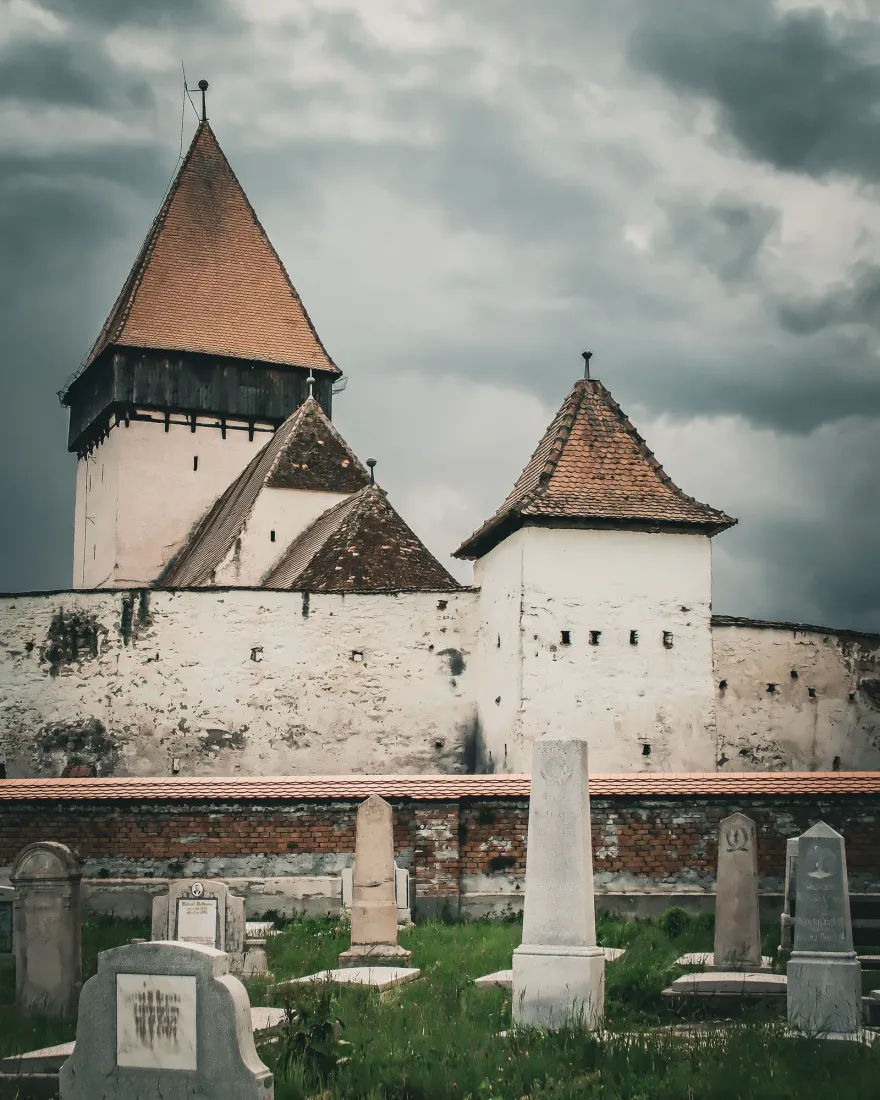
When Ottoman and Tatar raids became frequent, villagers could not build castles, so they fortified the one stone building they had: the church. They added walls, defence towers and storerooms where each family kept food, so the whole village could shelter inside during an attack. Read more about the region in our guide to things to do in Transylvania.
Tours to Sighișoara and the Saxon Villages
A small-group day trip to Sighișoara, Viscri and Rupea from Brașov, a 2-day tour of Transylvania from Bucharest and a 4x4 tour through the Transylvanian countryside.
We may earn a commission when you book through our links, at no extra cost to you. Bookings are handled directly by Viator. How we work.
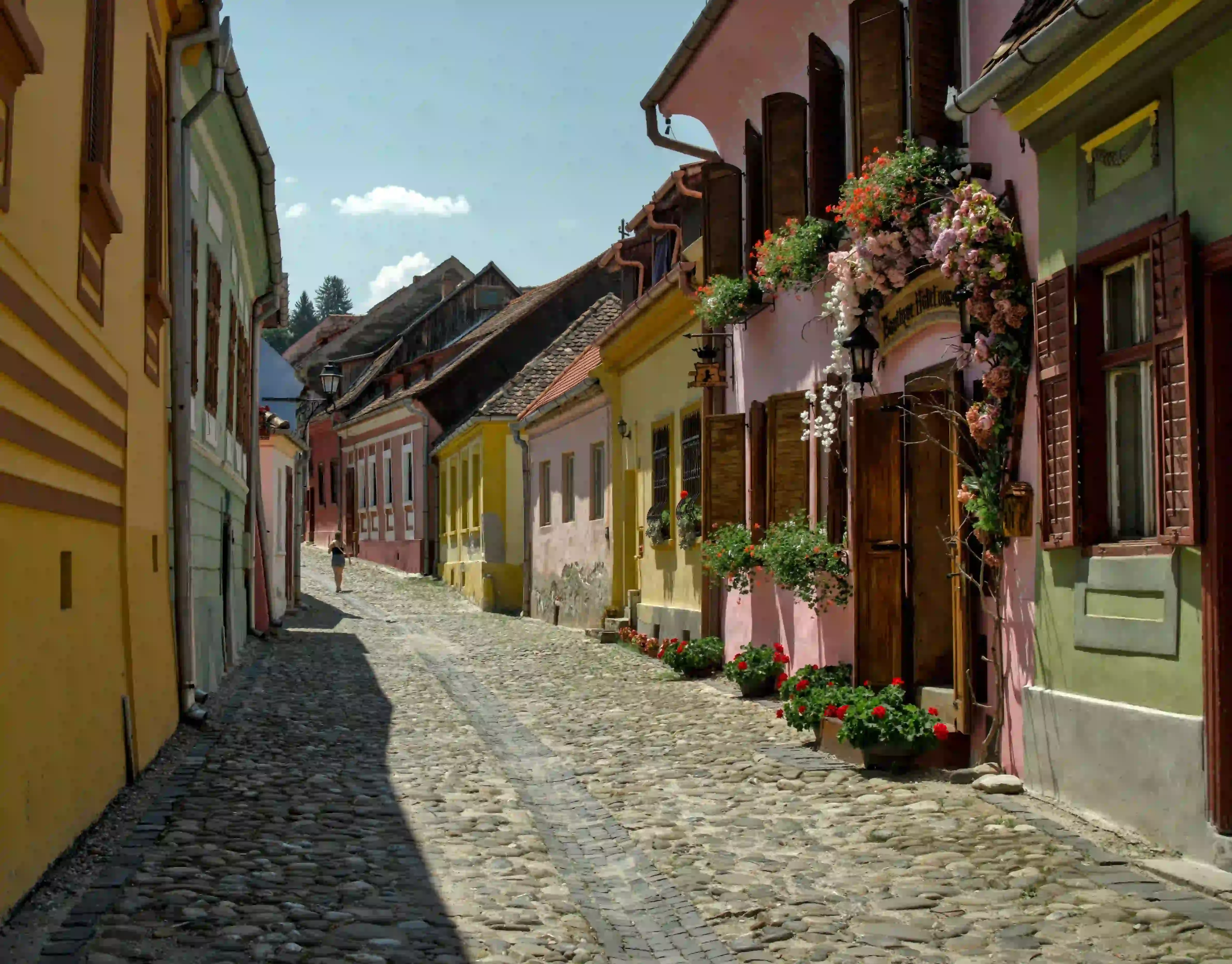 Viator
Small-Group Tour of Sighișoara, Viscri and Rupea from Brașov
A small-group day trip from Brașov to the medieval citadel of Sighișoara, the Saxon village of Viscri and Rupea Fortress: UNESCO heritage in one day.
* Prices are indicative and subject to seasonal variations or changes applied by the official provider. The exact price and availability are confirmed on the booking platform.
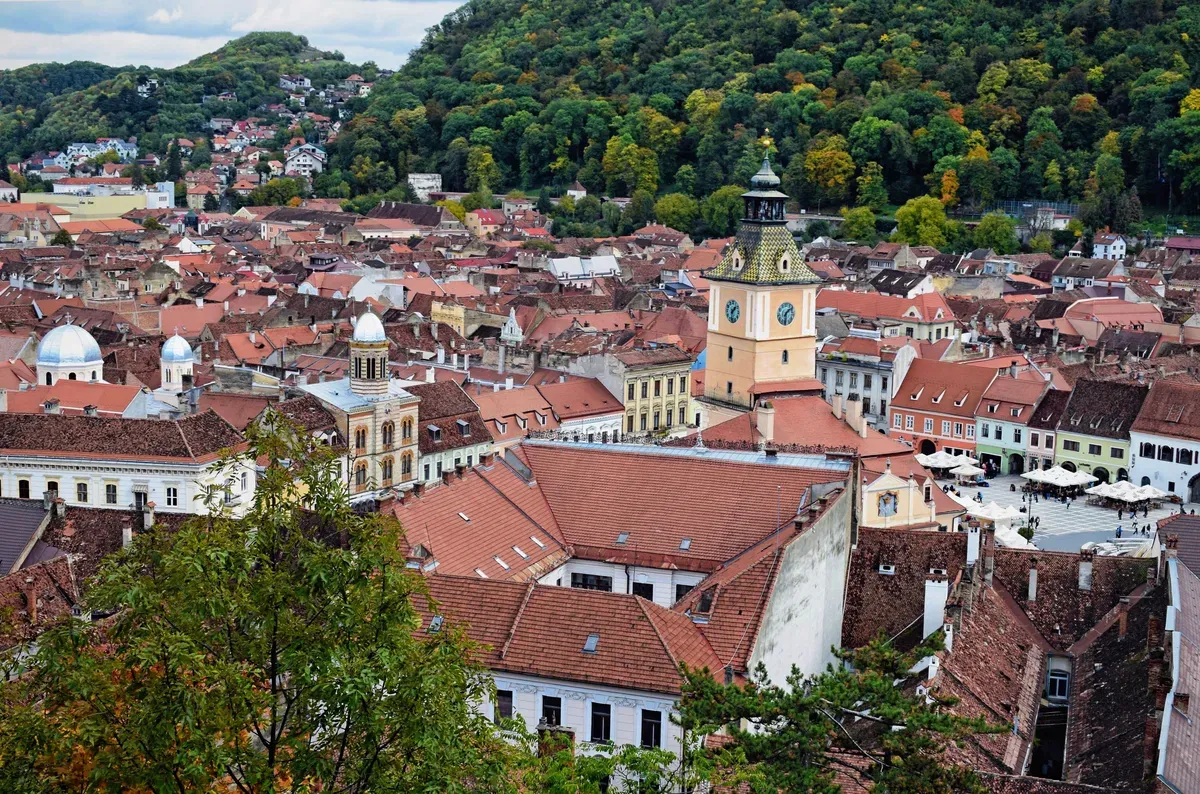 Viator
2-Day Transylvania from Bucharest: Brașov, Bran, Sighișoara
A 2-day trip from Bucharest through Transylvania: the old town of Brașov, Bran Castle (“Dracula’s Castle”) and the medieval citadel of Sighișoara.
* Prices are indicative and subject to seasonal variations or changes applied by the official provider. The exact price and availability are confirmed on the booking platform.
 Viator
4x4 Nature Tour in Dracula’s Land (1 Day)
A private one-day 4x4 adventure along mountain tracks and forests of Transylvania, departing from the Bucharest area (Otopeni).
* Prices are indicative and subject to seasonal variations or changes applied by the official provider. The exact price and availability are confirmed on the booking platform.
* Prices are indicative and subject to seasonal variations or changes applied by the official provider. The exact price and availability are confirmed on the booking platform.
Biertan: the Most Famous Fortified Church
Biertan sits on a hill above its village, protected by three rings of walls and several towers. For almost three centuries it was the seat of the Lutheran bishops of Transylvania. Inside, look for the carved altarpiece and the sacristy door with its complex lock.
The church is also known for its “marital prison”, a small room where, according to tradition, couples who wanted to divorce were locked up together until they made peace. Biertan is about 30 km from Sighișoara; read our guide to things to do in Sighișoara to combine both.
Viscri and Rupea Fortress
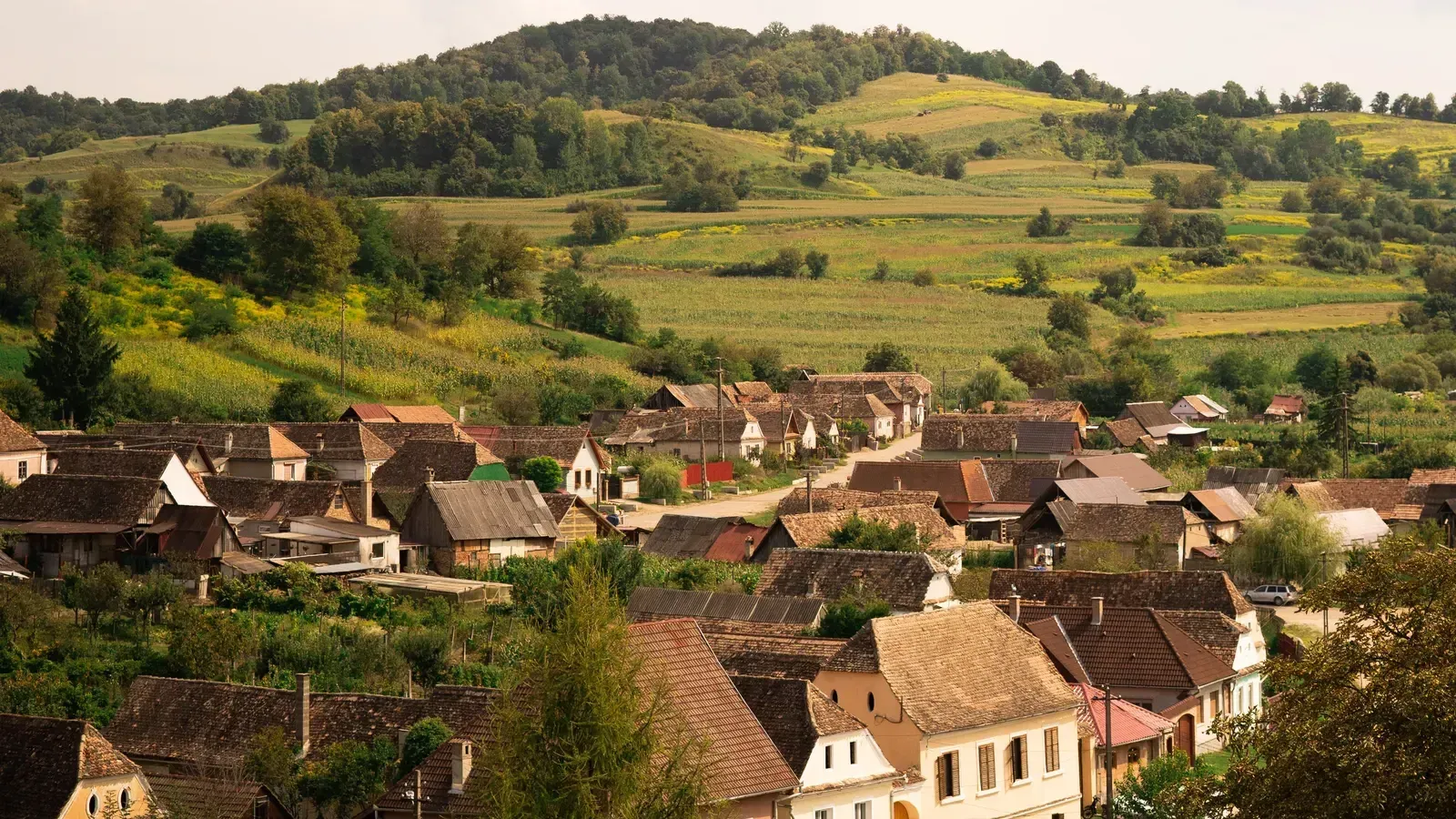
Viscri is a small village with colourful houses along a quiet main street and a white fortified church on a low hill. It became famous partly thanks to King Charles III, who owns a traditional house there, and it is one of the best places to see Saxon village life.
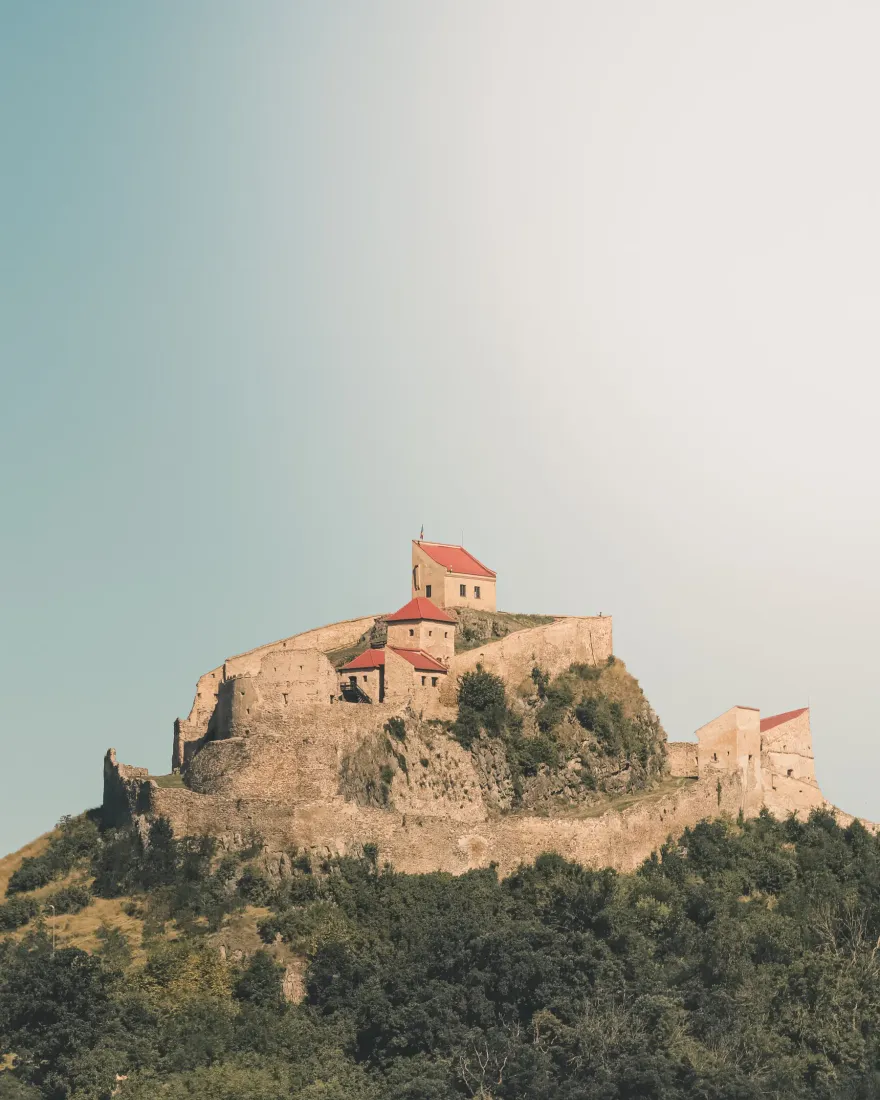
Nearby, Rupea Fortress rises on a basalt hill above the town of Rupea. It is a fortress, not a church, but it is often visited on the same day as Viscri and Sighișoara.
Prejmer and Hărman, near Brașov
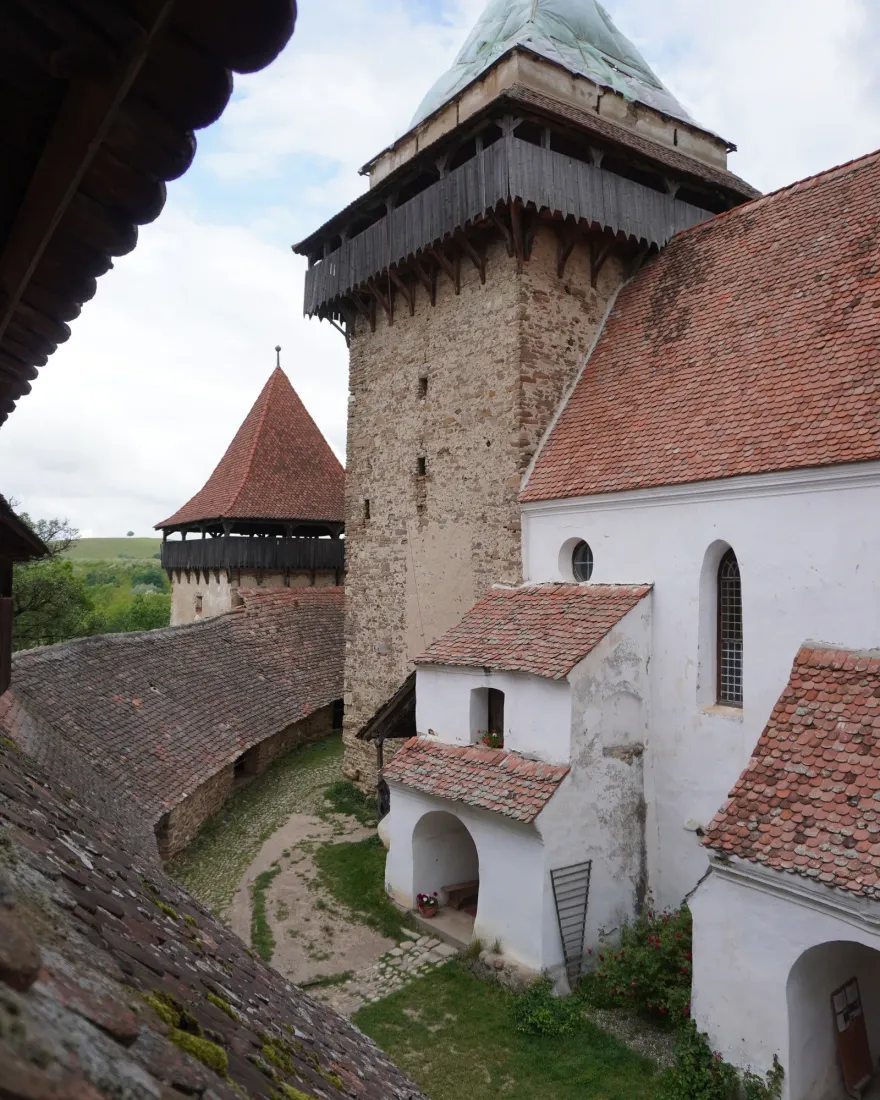
Prejmer, about 20 minutes from Brașov, is the largest fortified church in the region. Its round walls hide hundreds of small rooms on several levels, where families stored their food and sheltered during sieges.
Nearby Hărman has a church surrounded by walls and round towers. Both are easy half-day trips from Brașov; see our guide to things to do in Brașov.
How to Visit the Fortified Churches
The churches are spread across the countryside, so the easiest way to see several is by car or on a guided tour from Brașov or Sighișoara. Public transport to the villages is limited.
- Plan a route: Prejmer and Hărman from Brașov; Viscri, Rupea, Saschiz and Biertan between Brașov and Sighișoara.
- Check opening times before you go: many churches have a caretaker who opens them, and times change with the season.
- Bring some cash for the small entrance fees.
- Respect services and the cemeteries around the churches, and dress modestly.
- For more on driving and transport, read how to get around Romania.
Saxon Fortified Churches: FAQ
What is the most beautiful fortified church in Transylvania?
Biertan is the most famous, on a hill with three rings of walls. Viscri is loved for its village setting, and Prejmer is the largest.
How many fortified churches are there in Transylvania?
More than 150 survive, and seven villages with fortified churches are a UNESCO World Heritage Site.
Which fortified churches are UNESCO sites?
The churches of Biertan, Viscri, Prejmer, Saschiz, Câlnic, Dârjiu and Valea Viilor.
How do you get to Viscri?
By car or on a guided tour from Brașov or Sighișoara. The village is off the main road and public transport is very limited.
Which fortified churches can you visit from Brașov?
Prejmer and Hărman are about 20 minutes away. Viscri and Rupea can be combined with Sighișoara on a day trip.
Who were the Transylvanian Saxons?
German settlers invited by the kings of Hungary from the 12th century. They founded Brașov, Sibiu and Sighișoara and built the fortified churches.