Wolves in Romania: How Many and Where They Live
Romania has one of the largest wolf populations in the European Union, estimated at a few thousand animals, most of them in the forests of the Carpathian Mountains. Wolves live in family packs, avoid people and are very hard to see: most visitors only find their tracks in the snow on a guided walk. They share the forests with brown bears and lynx; to see bears, compare the bear-watching tours we recommend.
Below we explain how many wolves there are, where they live, how they are protected and how to look for them responsibly.
Published: · Last updated:
Key facts
- Romania has one of the largest wolf populations in the EU, estimated at a few thousand animals; figures vary by source.
- Most wolves live in the Carpathian forests, from the Southern Carpathians to the Eastern Carpathians.
- The wolf is a protected species in Romania and the European Union.
- Wolves avoid people and are rarely seen; the best chance is to find tracks in the snow with a specialist guide.
- In Romanian, wolf is lup, and the wolf has been a symbol of the region since the time of the Dacians.
How Many Wolves Are There in Romania?
Most estimates put the number of wolves in Romania at a few thousand, which makes it one of the largest populations in the European Union, together with the large populations of brown bears and lynx in the same mountains. Exact figures are hard to obtain, because wolves move over large territories and live in remote forests, so numbers change depending on the study and the method used.
For the most recent figures, check official sources and the reports of the Romanian authorities. To compare with bears, read how many bears there are in Romania.
Where Do Wolves Live in Romania?
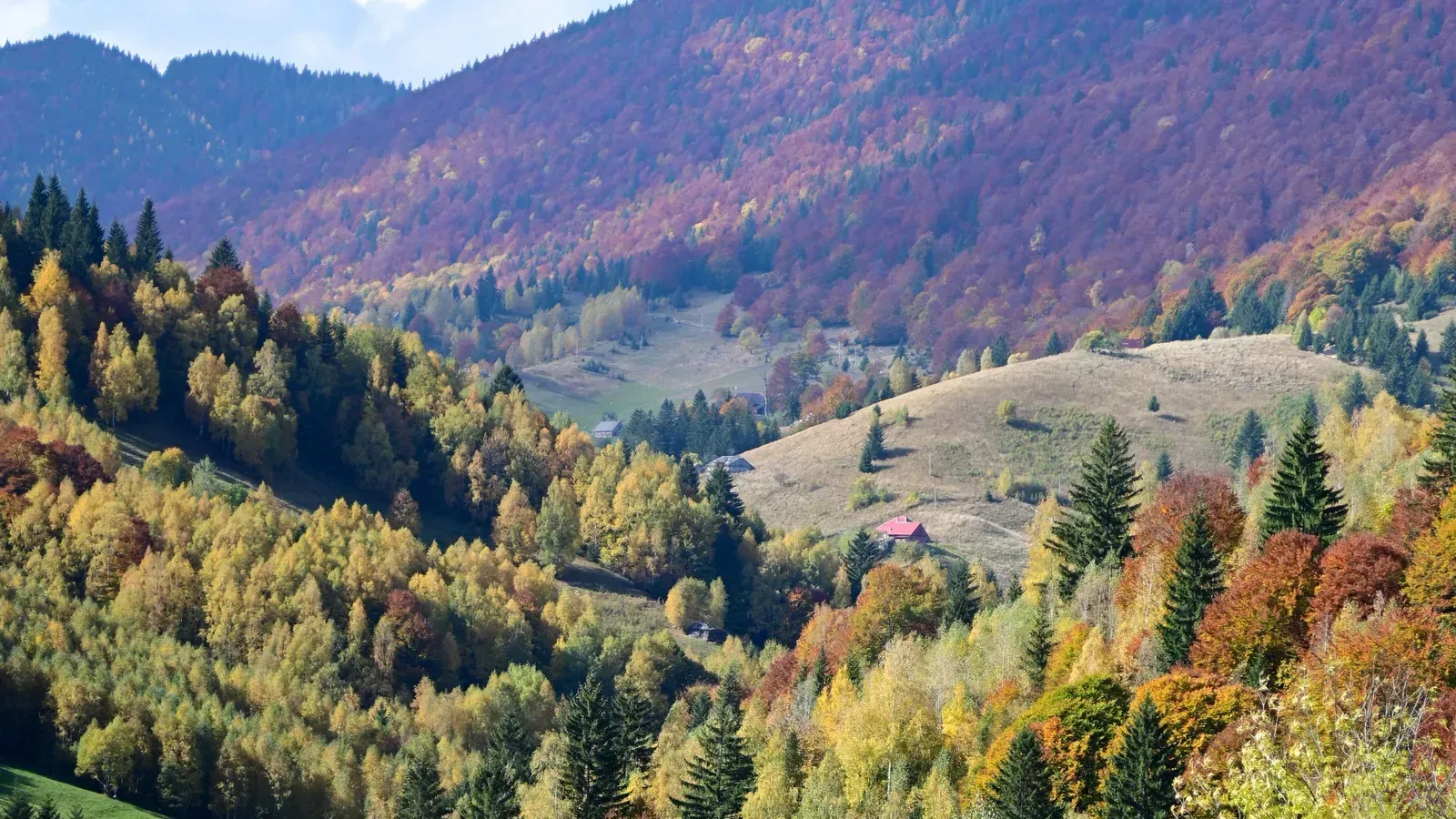
Wolves live mainly in the large forests of the Carpathian Mountains, which cross Romania in an arc. Areas known for their wildlife include the mountains around Brașov, Piatra Craiului and the Făgăraș range in the Southern Carpathians, and the forests of the Eastern Carpathians.
They live in family packs and hunt mainly red deer, roe deer and wild boar. In the countryside, shepherds have traditionally protected their flocks with large Carpathian shepherd dogs, part of a long history of coexistence between people and large carnivores.

Tours for this time of year
Some tours are seasonal, so these are our picks for this time of year.
We may earn a commission when you book through our links, at no extra cost to you. Bookings are handled directly by the platform named on each tour (Viator or GetYourGuide). How we work.
 Viator
4x4 Nature Tour in Dracula’s Land (1 Day)
A private one-day 4x4 adventure along mountain tracks and forests of Transylvania, departing from the Bucharest area (Otopeni).
*Indicative price; the final price is confirmed on Viator.
 GetYourGuide
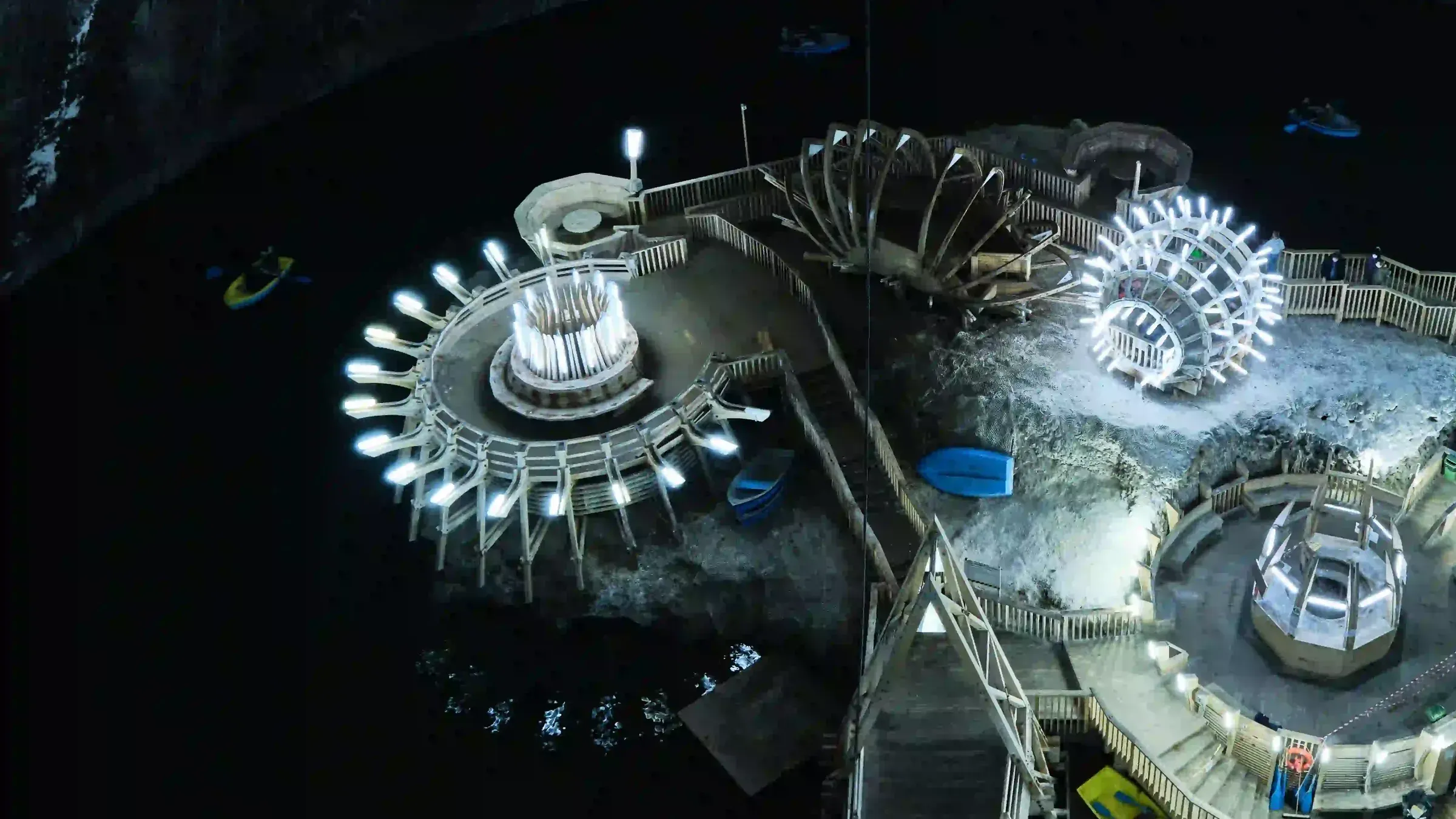
From Bucharest: Salt Mine Excursion, Entrance Ticket Included
A day trip from Bucharest to the Slănic Prahova salt mine, with the entrance ticket and transport included. Bring warm clothes.
*Indicative price; the final price is confirmed on GetYourGuide.
 GetYourGuide
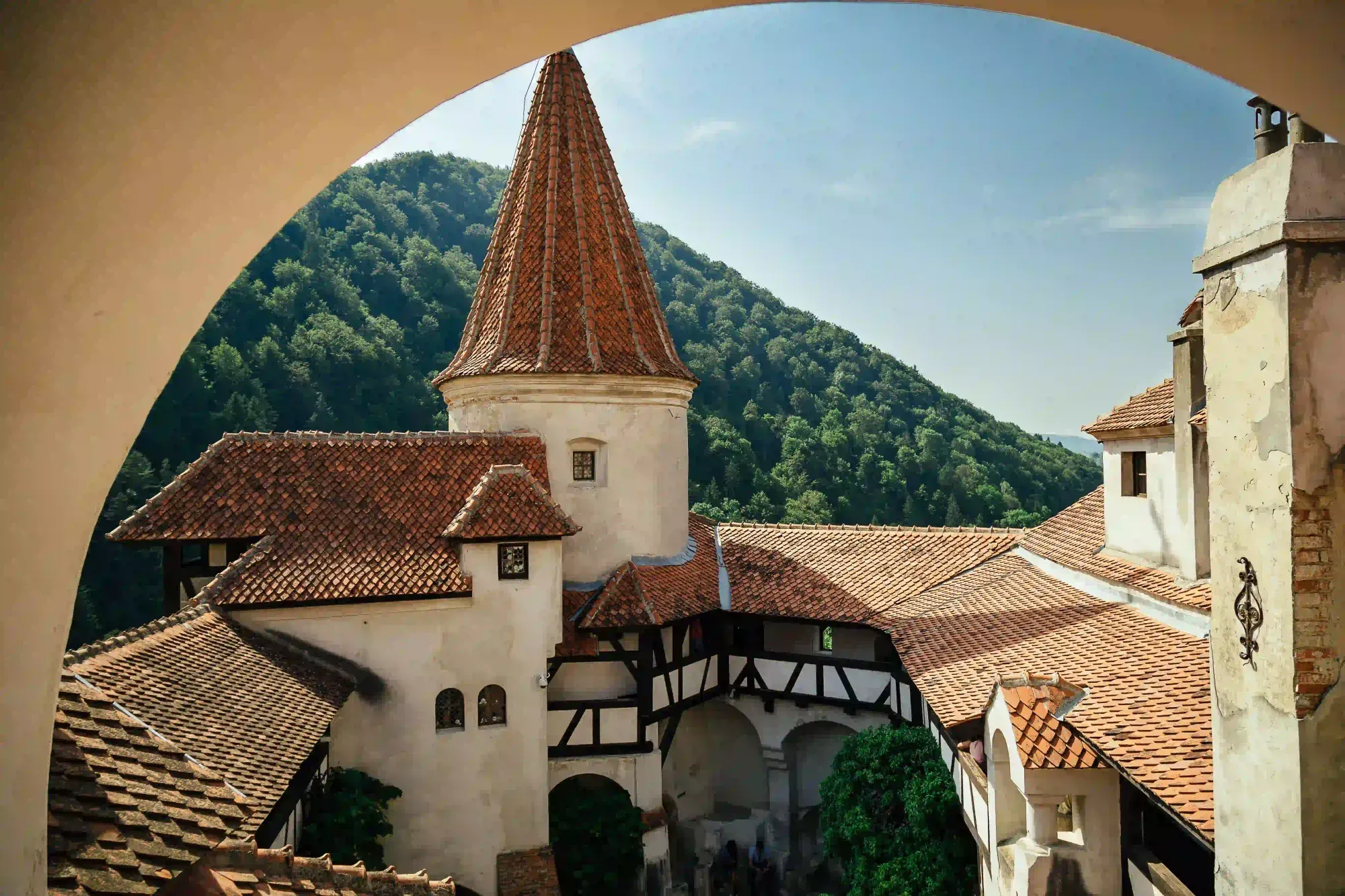
From Bucharest: Dracula’s Castle, Peleș and Brașov Day Trip
A day trip from Bucharest to Bran Castle, Peleș Castle and Brașov, with a live guide. Castle entry tickets are not included.
*Indicative price; the final price is confirmed on GetYourGuide.
Can You See Wolves in Romania?
Seeing a wolf in the wild is very rare, even for people who live in the mountains. Wolves are shy, active mainly at dawn, dusk and night, and they travel long distances. Unlike bears, there are no hides where wolves can be watched regularly.
What you can do is look for their signs: tracks, trails and other traces, especially in winter, when the snow keeps a record of every animal that passes. A specialist guide knows the area and can read these signs; tracking walks are offered in some mountain areas near Brașov.
Protection and Coexistence
The wolf is a protected species under Romanian and European law. Large forests, low human density in the mountains and traditional farming have helped Romania keep wolves, bears and lynx at a time when they disappeared from much of Europe.
Wolves are wild animals, and their habitat should be treated with respect. In the mountains, stay on marked trails, never leave food behind, go with a specialist guide and follow the instructions of park rangers and local authorities.

The Wolf in Romanian Culture
The wolf, lup in Romanian, has a special place in local history. The ancient Dacians, who lived in these lands before the Romans, carried a battle standard called the draco, with a wolf’s head and a serpent’s body. Wolves also appear in many Romanian folk tales and traditions.
To learn more about the other animals of the Carpathians and the Danube Delta, read our guide to wildlife in Romania.
Wolves in Romania: FAQ
How many wolves are there in Romania?
Most estimates speak of a few thousand, one of the largest populations in the EU. Figures vary by source, so check official data for the latest numbers.
Where do wolves live in Romania?
Mainly in the forests of the Carpathian Mountains, including the areas around Brașov, Piatra Craiului, the Făgăraș Mountains and the Eastern Carpathians.
Can you see wolves in Romania?
Very rarely. Wolves avoid people. The best way to discover them is to look for tracks in the snow on a walk with a specialist guide.
Are wolves protected in Romania?
Yes. The wolf is a protected species under Romanian and European Union law.
What is the Romanian word for wolf?
Lup. The wolf was also a symbol of the ancient Dacians, whose battle standard, the draco, had a wolf’s head.
Are there more wolves or bears in Romania?
Romania has large populations of both. Bears are much easier to see, from a guided hide near Brașov, while wolves are rarely seen.