On the Trail of Dracula in Romania
A Dracula trip in Romania follows two stories: the real prince Vlad III, known as Vlad the Impaler, who ruled Wallachia in the 15th century, and the fictional Count Dracula of Bram Stoker’s 1897 novel. The real places are in Bucharest, Târgoviște, Poenari and Sighișoara; the legend lives on in Bran Castle. In 4 to 5 days you can see them all, and the route fits naturally with our guide to Romania’s castles.
Below we propose a route day by day and explain, at each stop, what is history and what is legend.
Published: · Last updated:
Key facts
- Vlad III (Vlad the Impaler) ruled Wallachia several times in the 15th century; his nickname Drăculea means “son of Dracul”.
- Bram Stoker never visited Romania; his Count Dracula is fictional.
- Places with a real link to Vlad III: Sighișoara, Târgoviște, Poenari and Bucharest’s Old Princely Court.
- Bran Castle has little to do with Vlad III but is the symbol of the legend.
- Allow 4–5 days by car or with tours; the Poenari stretch is easiest in summer.
The Dracula Trail at a Glance
These are the main stops, with what each one has to do with Dracula:
| Place | Link to Dracula | History or legend? |
|---|---|---|
| Old Princely Court, Bucharest | Vlad III’s court; a 1459 document he signed is the first to name Bucharest | History |
| Snagov Monastery | Traditionally named as his burial place | Disputed |
| Târgoviște | Capital of Wallachia, with the princely court and Chindia Tower | History |
| Poenari Fortress | His fortress above the Argeș Valley | History |
| Bran Castle | Marketed as “Dracula’s Castle” | Legend |
| Sighișoara | According to tradition, his birthplace | History and tradition |
| Corvin Castle | Legend says he was held prisoner here | Disputed |
Day 1: Bucharest and Snagov
Start in Bucharest at the ruins of the Old Princely Court (Curtea Veche), in the Old Town. Vlad III had a court here, and a document he signed in 1459 is the oldest known to mention the city by name.
In the afternoon, drive about an hour north to Snagov Monastery, on an island in a lake. Tradition says Vlad III was buried here, although historians do not agree. See more of the capital in things to do in Bucharest.
Tours on the Dracula Trail
Some tours are seasonal, so these are our picks for this time of year.
We may earn a commission when you book through our links, at no extra cost to you. Bookings are handled directly by the platform named on each tour (Viator or GetYourGuide). How we work.
 Viator
2-Day Transylvania from Bucharest: Brașov, Bran, Sighișoara
A 2-day trip from Bucharest through Transylvania: the old town of Brașov, Bran Castle (“Dracula’s Castle”) and the medieval citadel of Sighișoara.
*Indicative price; the final price is confirmed on Viator.
 Viator
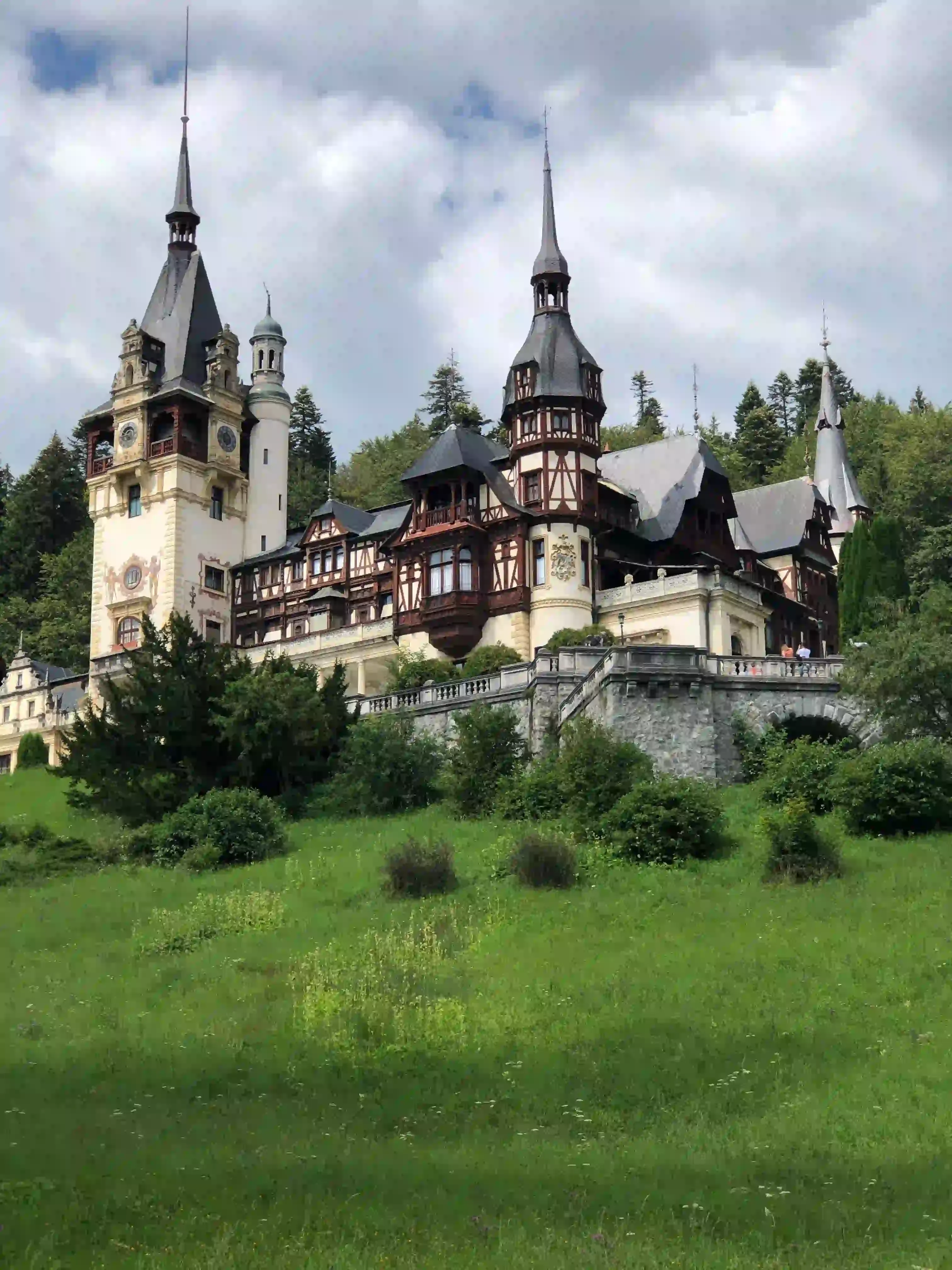
Dracula’s Castle, Peleș Castle and Brașov: Private Day Trip from Bucharest
A private full-day trip from Bucharest to Bran Castle (“Dracula’s Castle”), the royal Peleș Castle in Sinaia and the old town of Brașov.
*Indicative price; the final price is confirmed on Viator.
 Viator
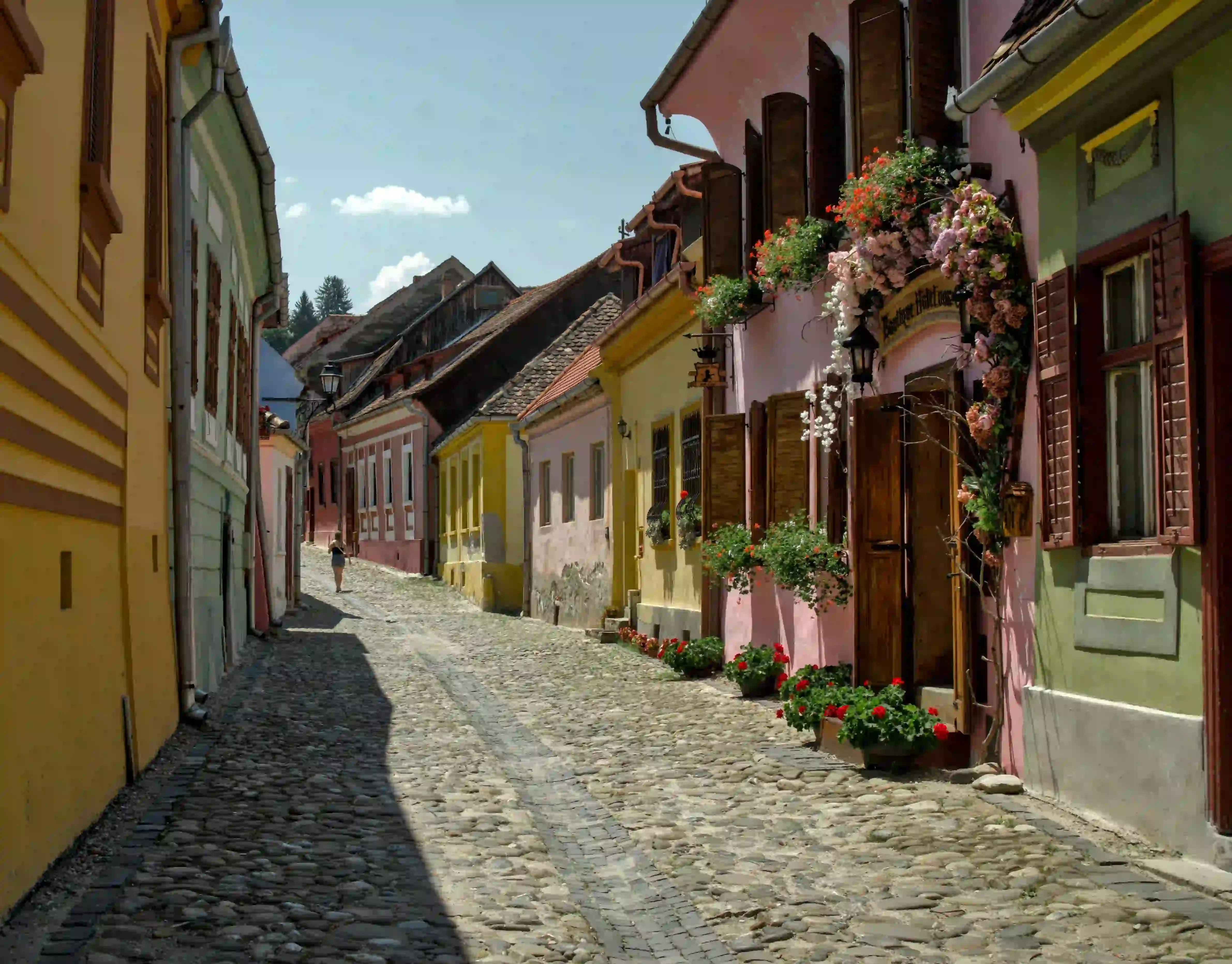
Small-Group Tour of Sighișoara, Viscri and Rupea from Brașov
A small-group day trip from Brașov to the medieval citadel of Sighișoara, the Saxon village of Viscri and Rupea Fortress: UNESCO heritage in one day.
*Indicative price; the final price is confirmed on Viator.
Day 2: Târgoviște and Poenari Fortress
Târgoviște was the capital of Wallachia in Vlad III’s time. The Princely Court complex has the ruins of the palace and the tall Chindia Tower, with views over the site.
Continue to the Argeș Valley and Poenari Fortress, the ruins of his castle on a cliff, reached by a long staircase of around 1,500 steps. Access is sometimes restricted by the authorities, so check before you go and follow the local instructions. In summer, the Transfăgărășan road continues from here across the mountains to Transylvania.
Day 3: Bran Castle and Brașov
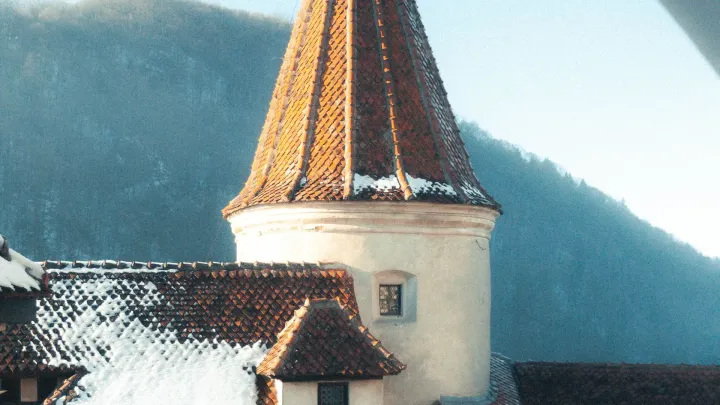
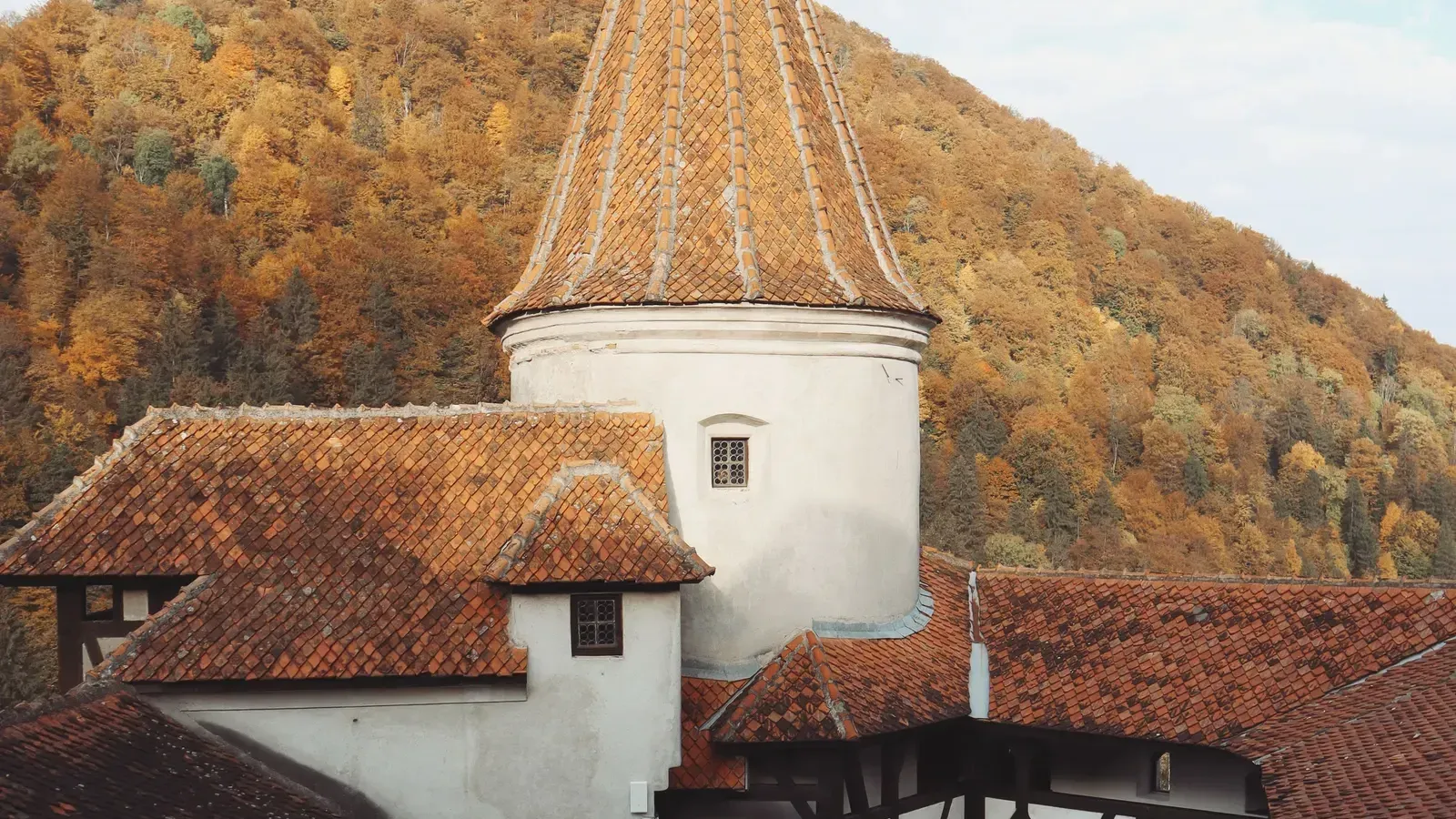
Bran Castle is the castle everyone imagines as Dracula’s, perched on a rock with towers and narrow stairs. In reality it was a customs fortress of the Saxons of Brașov and later a residence of Queen Marie; read whether Bran is really Dracula’s castle for the full story.
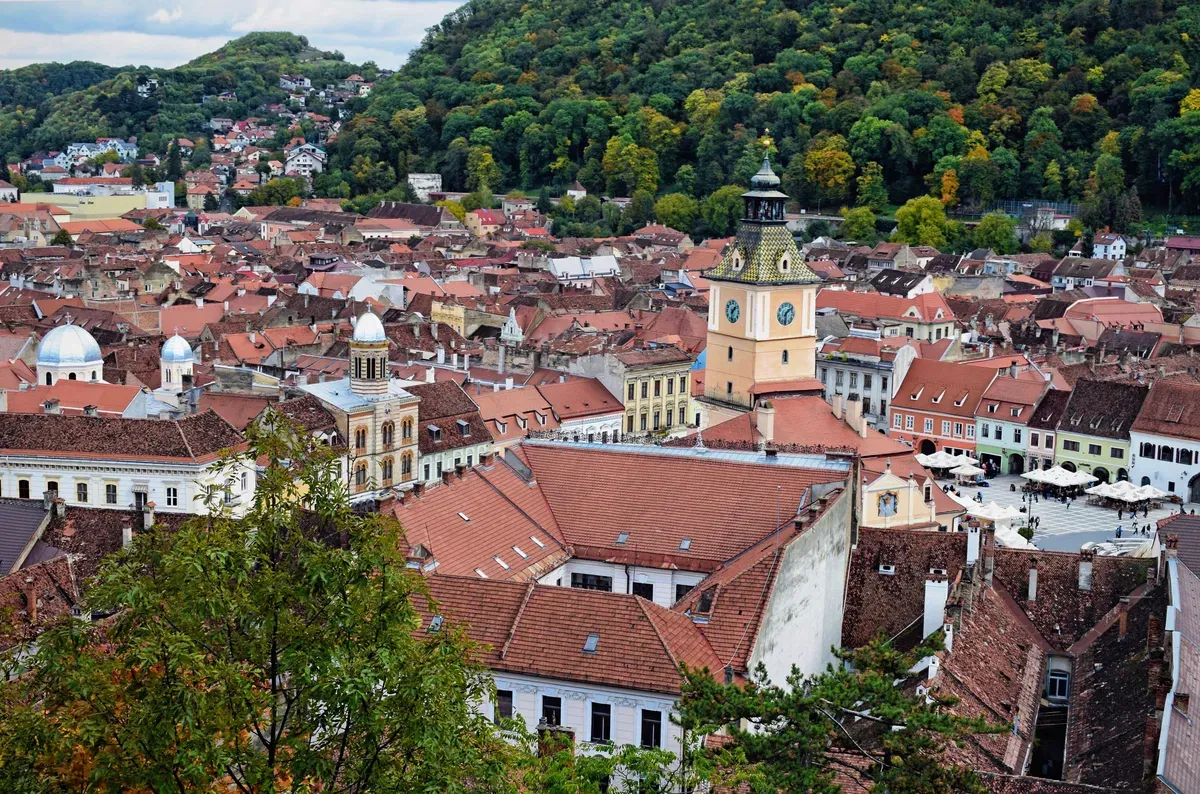
Spend the evening in Brașov, whose Saxon merchants had a difficult relationship with Vlad III, and which makes an excellent base for the region.
Day 4: Sighișoara, His Birthplace
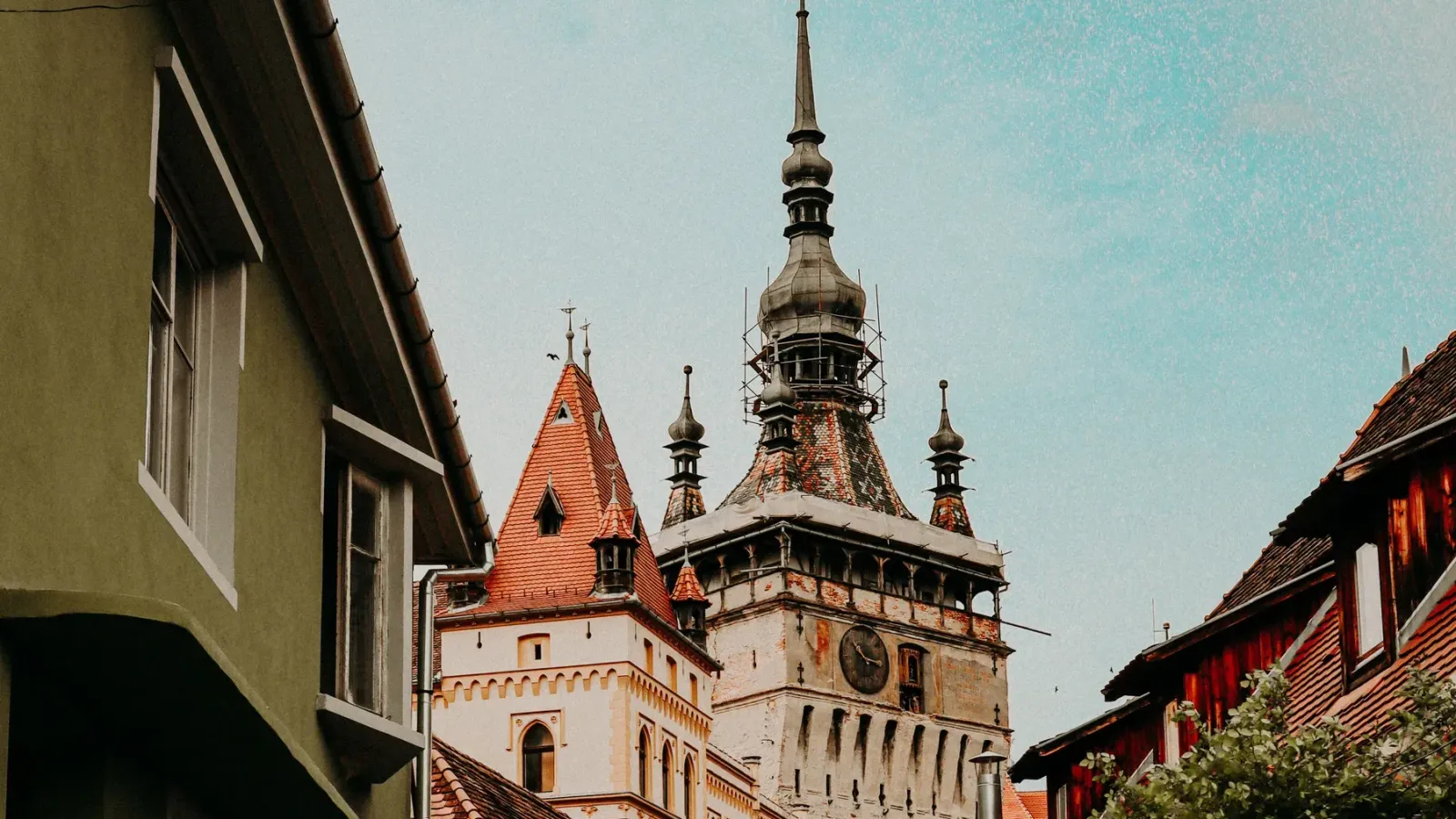
According to tradition, Vlad III was born around 1431 in a house in the citadel of Sighișoara, near the Clock Tower. The house is marked with a plaque, and a bust of Vlad stands nearby.
The citadel, a UNESCO World Heritage Site, is one of the best-preserved medieval towns in Europe and deserves at least half a day.
Extra Stops: Corvin Castle and the Borgo Pass
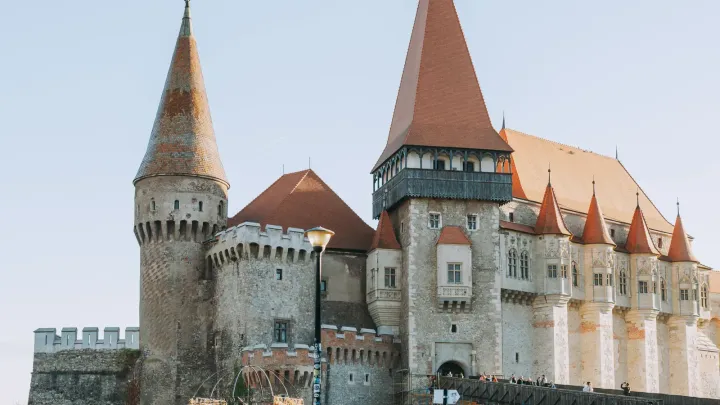
With an extra day, head west to Corvin Castle in Hunedoara, the most spectacular Gothic castle in Romania. A legend says Vlad III was held prisoner here; read our Corvin Castle guide.
Fans of the novel can travel north to the Borgo Pass (Tihuța), where Stoker set Count Dracula’s castle. There is no real castle there, only a hotel inspired by the book.

Dracula Trail in Romania: FAQ
Was Dracula a real person?
Count Dracula is fictional, but his name comes from Vlad III, a real prince of Wallachia in the 15th century, known as Drăculea and Vlad the Impaler.
Where was Vlad the Impaler born?
According to tradition, in Sighișoara, in a house in the citadel near the Clock Tower, around 1431.
Where is the real Dracula’s castle?
The castle most linked to Vlad III is Poenari Fortress, now in ruins, in the Argeș Valley. Bran Castle is the symbol of the legend but has little real connection.
Where is Vlad the Impaler buried?
Tradition names Snagov Monastery, near Bucharest, but historians do not agree and his burial place is uncertain.
How many days do you need for a Dracula route?
4–5 days to see Bucharest, Snagov, Târgoviște, Poenari, Bran, Brașov and Sighișoara, or 2 days for a shorter version with Bran, Brașov and Sighișoara.
Did Bram Stoker visit Romania?
No. Stoker never travelled to Romania; he based his descriptions of Transylvania on books and travel accounts.