Romania Travel Tips: Plugs, eSIM, Tipping and More
A few practical details make a trip to Romania easier. The plugs are the European type C and F (230 V), EU mobile phones roam at home prices, a tip of around 10% is customary in restaurants and the country is one hour ahead of Central Europe. Below you will find these and other tips, plus a short checklist. For planning the route, see our Discover Romania guide.
Published:
Key facts
- Plugs are type C and F, at 230 V and 50 Hz, the same as most of continental Europe.
- Mobile phones from the EU roam at domestic prices; other visitors can use an eSIM or a local SIM card.
- A tip of around 10% is customary in restaurants if you are happy with the service.
- Romania uses Eastern European Time, one hour ahead of Spain, Italy and Central Europe.
- The emergency number is 112.
Romania Practical Info at a Glance
Keep this table handy when you plan your trip:
| Topic | What to know |
|---|---|
| Plugs and voltage | Type C and F, 230 V, 50 Hz |
| Mobile data | EU roaming at home prices; eSIM or local SIM for others |
| Currency | Romanian leu (RON); cards widely accepted |
| Tipping | Around 10% in restaurants |
| Time zone | EET: UTC+2, UTC+3 in summer |
| Emergencies | 112 |
| Language | Romanian; English common in tourist areas |
Plugs and Electricity
Romania uses type C and F plugs (two round pins) at 230 V and 50 Hz. If you travel from Spain, Italy, France or Germany, your chargers will work without an adapter.
Visitors from the UK, Ireland, the US or Canada need a plug adapter, and devices that only work at 110 V need a voltage converter. Most modern phone and laptop chargers accept both voltages: check the label.
Tours to Start Your Trip
A private walking tour of Bucharest to get your bearings, a private trip to Bran, Peleș and Brașov and an evening at a bear hide from Brașov.
We may earn a commission when you book through our links, at no extra cost to you. Bookings are handled directly by Viator. How we work.
 Viator
Best of Bucharest | Private Walking Tour
A private walking tour of the best of Bucharest with your own guide: the Old Town, historic churches and the stories behind the city. Price is per group.
* Prices are indicative and subject to seasonal variations or changes applied by the official provider. The exact price and availability are confirmed on the booking platform.
 Viator
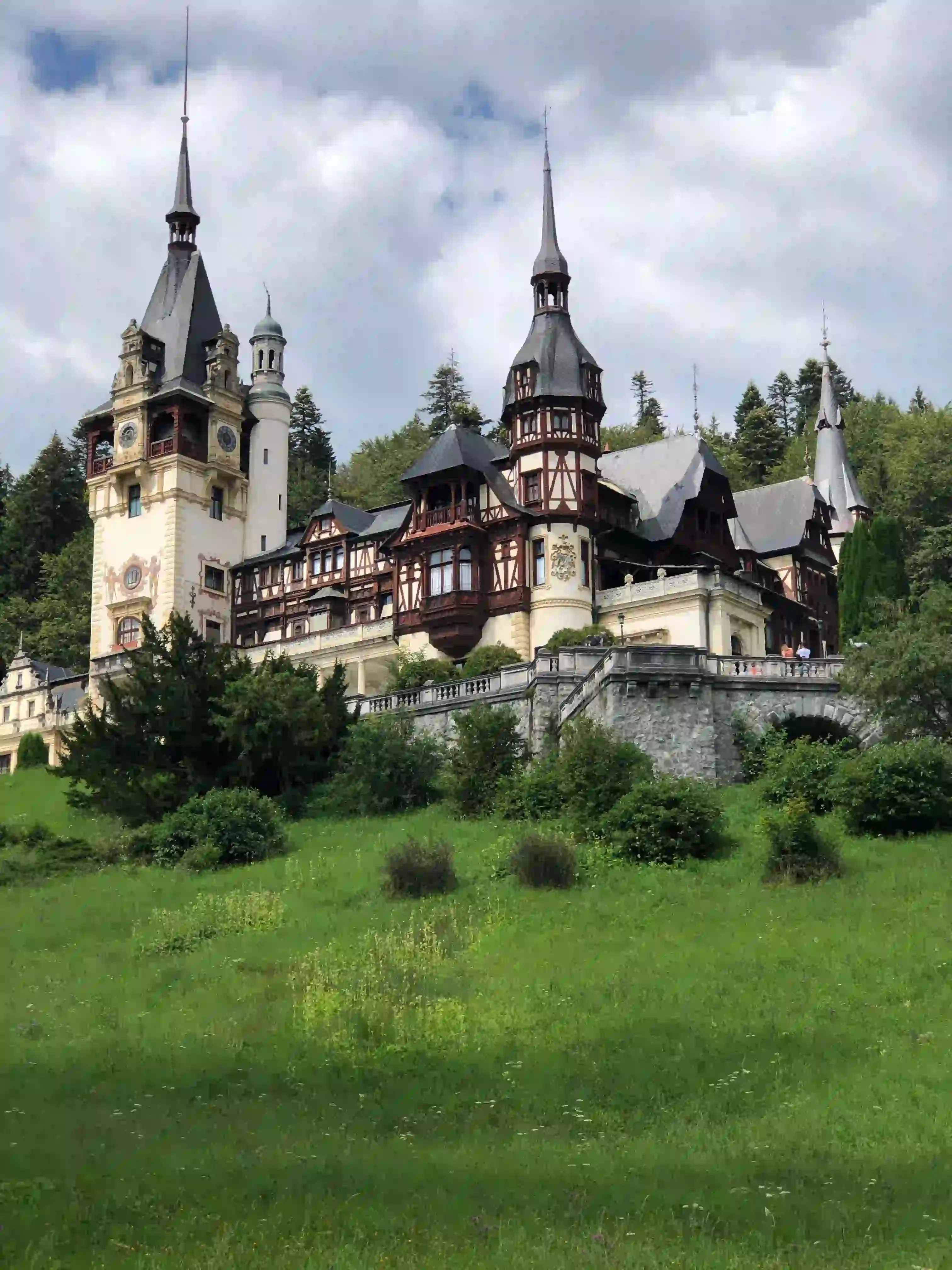
Dracula’s Castle, Peleș Castle and Brașov: Private Day Trip from Bucharest
A private full-day trip from Bucharest to Bran Castle (“Dracula’s Castle”), the royal Peleș Castle in Sinaia and the old town of Brașov.
* Prices are indicative and subject to seasonal variations or changes applied by the official provider. The exact price and availability are confirmed on the booking platform.
 Viator
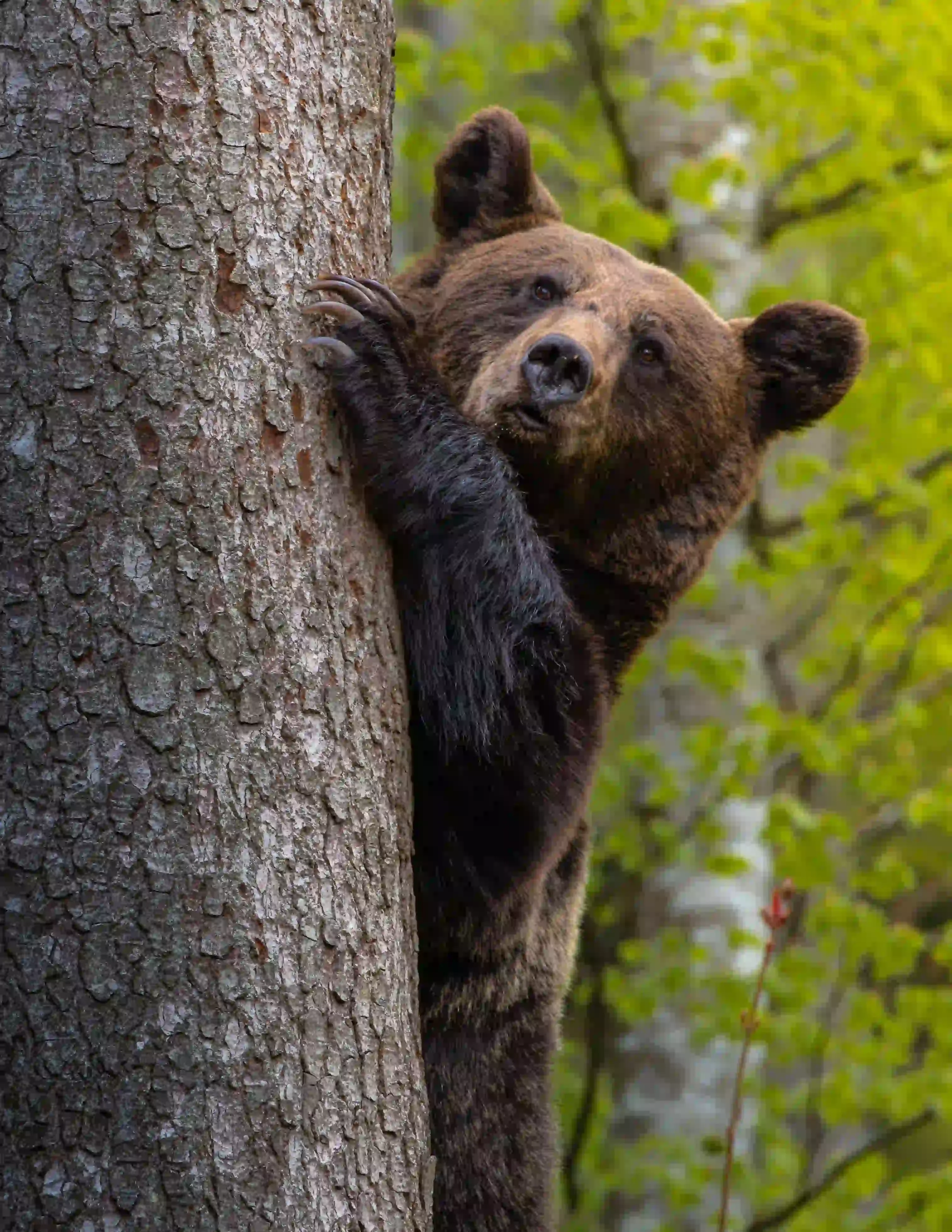
Wild Carpathian Nature: A Wildlife Experience from Brașov
A small-group experience focused on ethical brown bear watching with a guide in their natural habitat in the Carpathian forests, departing directly from Brașov.
* Prices are indicative and subject to seasonal variations or changes applied by the official provider. The exact price and availability are confirmed on the booking platform.
* Prices are indicative and subject to seasonal variations or changes applied by the official provider. The exact price and availability are confirmed on the booking platform.
Mobile Phones, Internet and eSIM
If your SIM card is from an EU country, you can use calls and data in Romania at home prices thanks to EU roaming rules. Check your plan for any fair-use limits.
Visitors from outside the EU can buy an eSIM before travelling or a local prepaid SIM on arrival. Mobile coverage is good in cities and along main roads, but it can be weak in remote mountain areas. Free Wi-Fi is common in hotels, cafés and restaurants.
Tipping in Romania
Tipping is customary but not compulsory:
- Restaurants and cafés: around 10% if you are happy with the service. Check the bill, as some places add a service charge.
- Taxis and ride-hailing apps: rounding up is enough.
- Tour guides and drivers: a tip at the end of a tour is appreciated if you enjoyed it.
- Hotels: a small tip for porters or housekeeping is a kind gesture, not an obligation.
- You can tip in cash or ask to add it to the card payment. Read our guide to money in Romania for paying in lei.
Time Zone, Language and Emergencies
Romania is on Eastern European Time (UTC+2, and UTC+3 in summer), one hour ahead of Spain, Italy and Central Europe.
The official language is Romanian, a Romance language, so Spanish, Italian and French speakers will recognise many words. English is widely spoken by young people and in tourist areas. A few words go a long way: *bună ziua* (good day), *mulțumesc* (thank you) and *vă rog* (please).
For any emergency, call 112 and follow the instructions of the local authorities. Pharmacies (farmacie) are easy to find in towns.
Etiquette in Churches and Monasteries
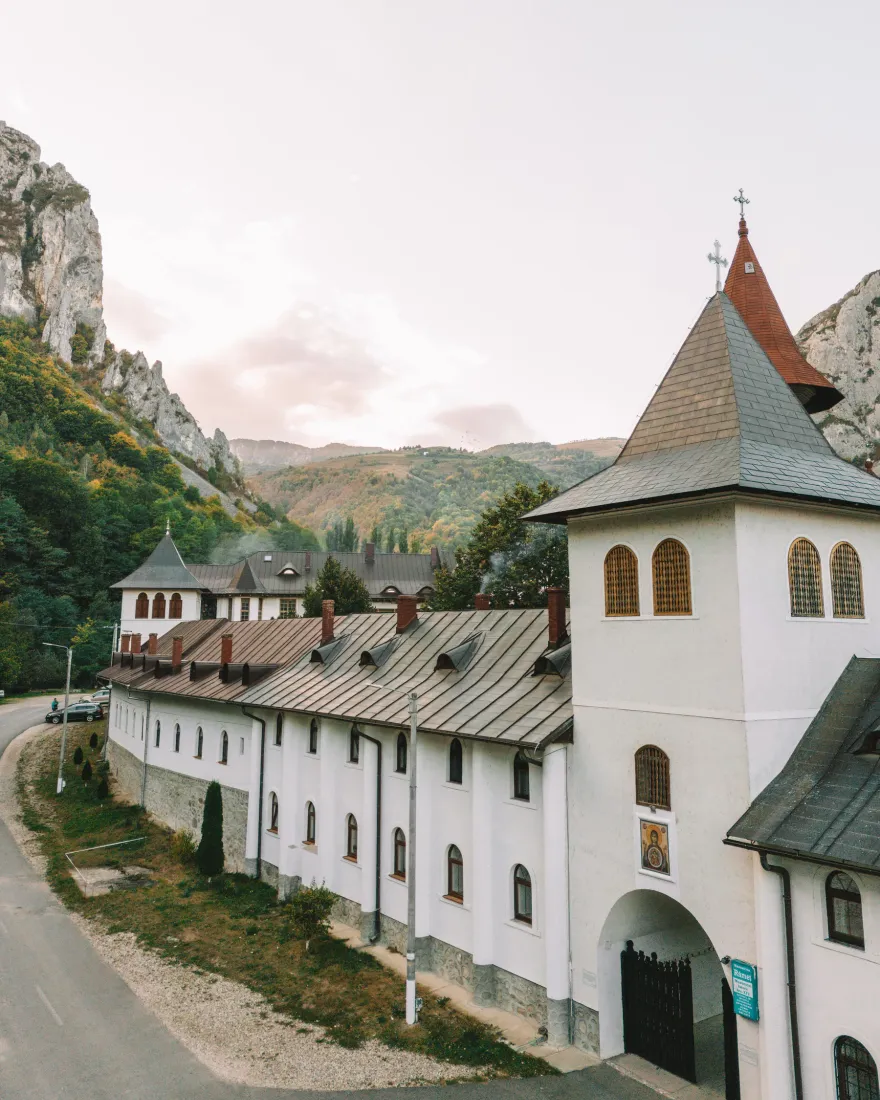
Churches and monasteries are active places of worship. When you visit:
- Cover shoulders and knees; in monasteries women are often asked to cover their hair, and wraps are sometimes provided.
- Keep quiet and avoid visiting during services unless you are joining them.
- Ask before taking photos inside; in some churches it is not allowed or requires a small fee.
- Smoking is not allowed indoors in public places, including restaurants and bars.
Checklist Before You Go
Before you travel, make sure you have:
- A valid ID card or passport: see is Romania in Schengen?
- Travel insurance, and the European Health Insurance Card if you are an EU citizen.
- A plug adapter if you come from outside continental Europe.
- An eSIM or roaming plan, and offline maps for mountain areas.
- Some cash in lei for small places and tips.
- The road vignette (rovinietă) if you plan to drive: read getting around Romania.
Romania Travel Tips: FAQ
What plug type does Romania use?
Type C and F plugs, at 230 V and 50 Hz. Travellers from most of continental Europe do not need an adapter.
Do I need an eSIM in Romania?
Not if your SIM card is from the EU: roaming works at home prices. Visitors from outside the EU can use an eSIM or a local prepaid SIM.
How much should I tip in Romania?
Around 10% in restaurants if you are happy with the service; round up for taxis, and tip guides if you enjoyed the tour.
What time zone is Romania in?
Eastern European Time: UTC+2, and UTC+3 in summer. It is one hour ahead of Spain, Italy and Central Europe.
Do people speak English in Romania?
Yes, especially young people and in tourist areas. Romanian is a Romance language, so Spanish and Italian speakers will recognise many words.
What is the emergency number in Romania?
112, for police, ambulance and fire services. Follow the instructions of the local authorities.