Romanian Wine: Grapes, Regions and Where to Taste It
Romania has made wine for thousands of years and is one of the larger wine producers in Europe, yet its wines are still little known abroad. Look for local grapes such as Fetească Neagră (red) and Fetească Albă and Fetească Regală (whites), and regions such as Dealu Mare, Cotnari and Murfatlar. A guided tasting is the easiest way to discover them, and it fits well with the cultural tours and museums we recommend.
Below we explain the grapes to try, the main regions and where to taste Romanian wine.
Published:
Key facts
- Romania is one of the larger wine producers in Europe, with a tradition going back thousands of years.
- Local grapes to try: Fetească Neagră (red), Fetească Albă, Fetească Regală and Tămâioasă Românească (whites).
- Main regions: Dealu Mare near Bucharest, Cotnari in Moldavia, Murfatlar near the Black Sea and Târnave in Transylvania.
- The easiest way to start is a guided tasting in Bucharest or a winery visit in the Prahova Valley.
- Romania has zero tolerance for drinking and driving: book a tour or choose a designated driver.
Romanian Grapes to Try
Romania grows international grapes such as Merlot and Sauvignon Blanc, but the local varieties are what make its wines special:
| Grape | Type | Style |
|---|---|---|
| Fetească Neagră | Red | Medium to full-bodied, with notes of dark fruit and spice |
| Băbească Neagră | Red | Light and fruity |
| Fetească Albă | White | Fresh and delicate, with floral notes |
| Fetească Regală | White | Crisp and aromatic, also used for sparkling wine |
| Tămâioasă Românească | White | Very aromatic, often sweet |
| Grasă de Cotnari | White | Rich, often sweet, from the Cotnari region |
The Main Wine Regions
Romania’s vineyards are spread across the country, each region with its own style:
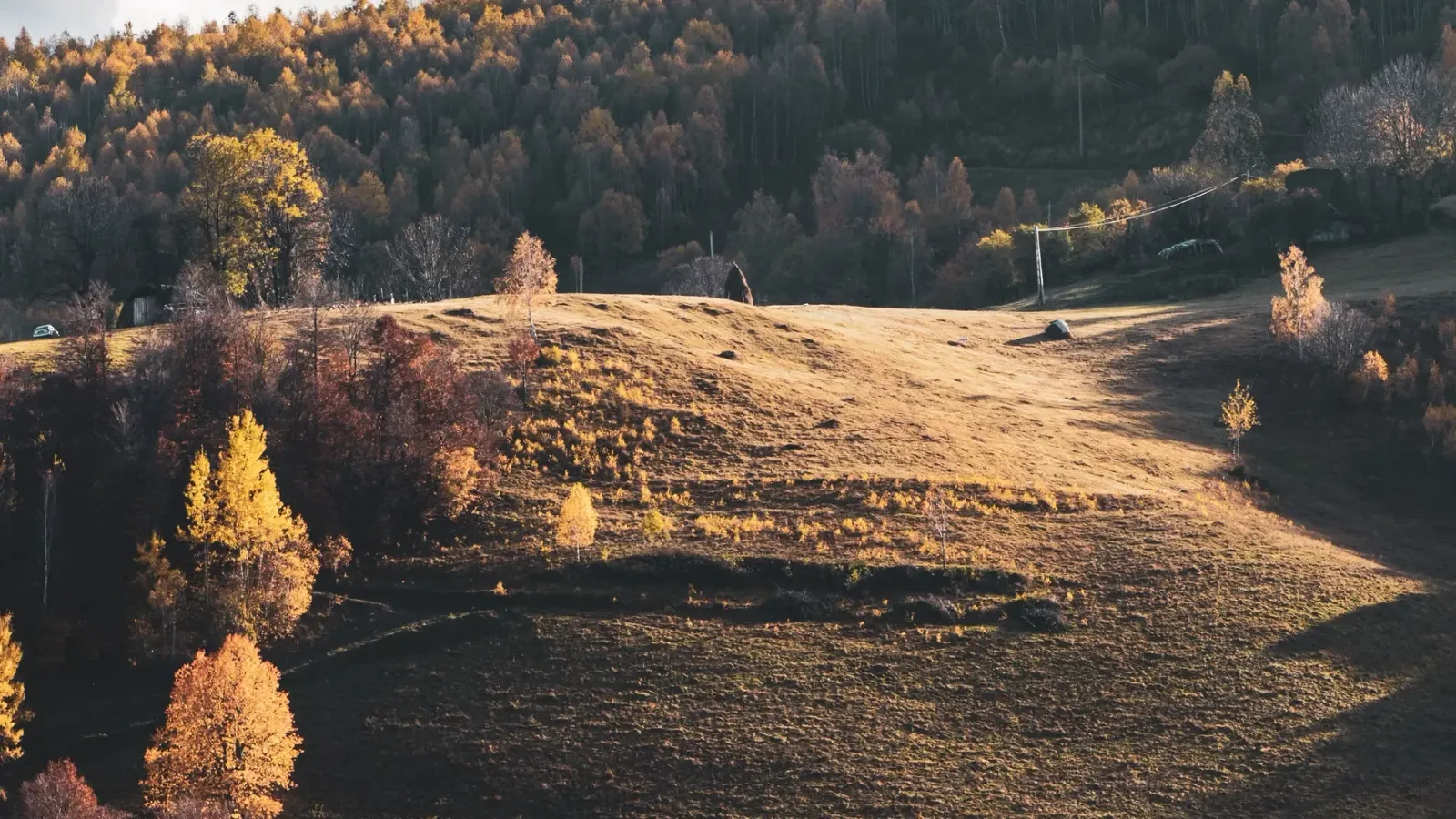
- Dealu Mare, on the hills between Ploiești and Buzău, about two hours from Bucharest, is known for its reds, especially Fetească Neagră.
- Cotnari, near Iași in Moldavia, is famous for its aromatic and sweet white wines.
- Murfatlar, in Dobrogea near Constanța and the Black Sea, produces both reds and sweet wines.
- Târnave, in the heart of Transylvania, makes fresh white wines in a cooler climate.
- Drăgășani in the south and Recaș near Timișoara are other names to look for on wine lists.
Wine and Food Tours We Recommend
A day trip to Peleș and Cantacuzino castles with a gourmet wine experience, a trip from Iași to Chișinău and the Cricova cellars in Moldova, and a food lovers’ tour of Bucharest.
We may earn a commission when you book through our links, at no extra cost to you. Bookings are handled directly by Viator. How we work.
 Viator
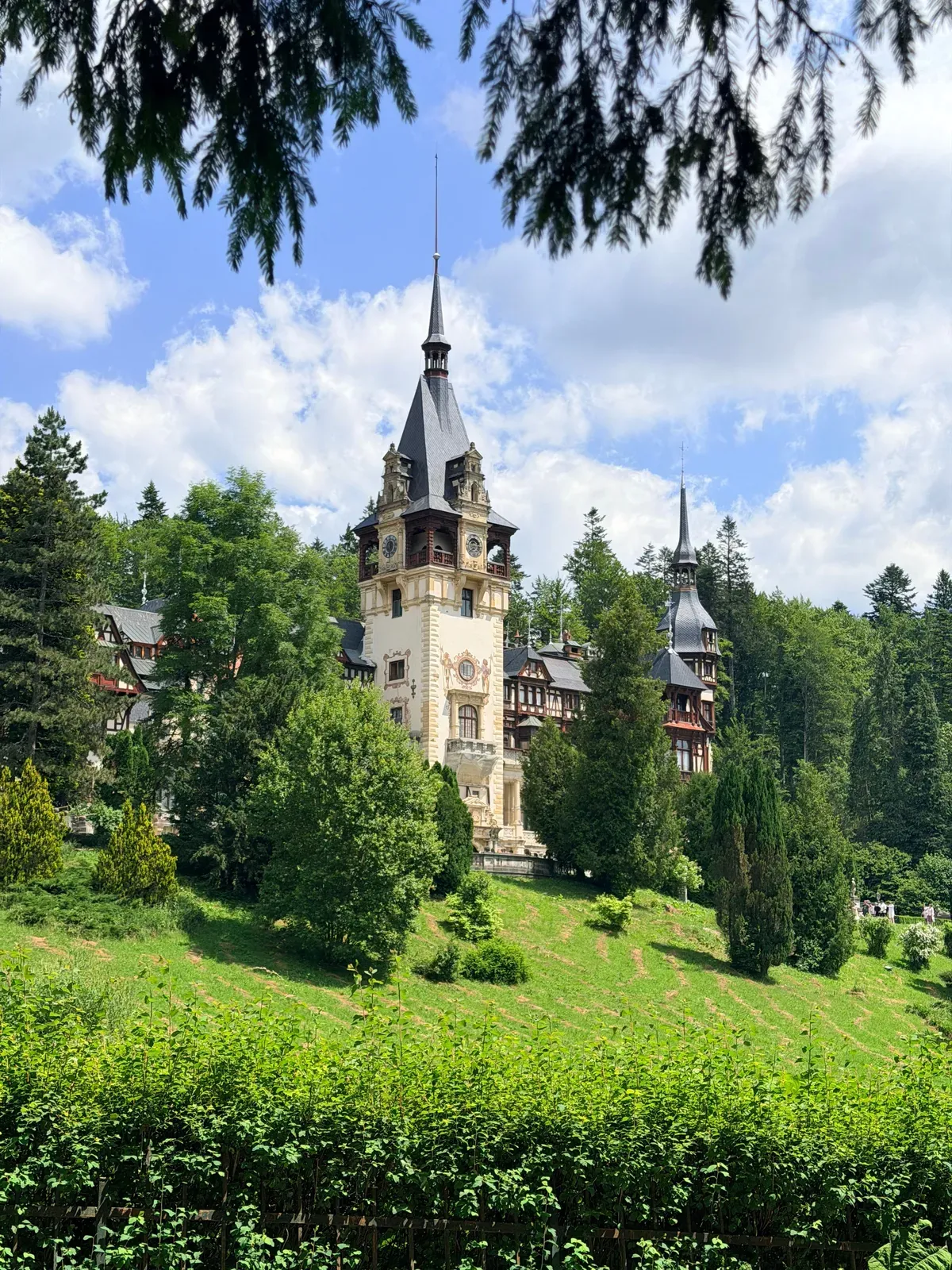
Peleș & Cantacuzino Castles: Gourmet Wine and Culture Day Trip
A private cultural day trip from Bucharest to Peleș Castle and Cantacuzino Castle in the Prahova Valley, with a gourmet wine experience.
* Prices are indicative and subject to seasonal variations or changes applied by the official provider. The exact price and availability are confirmed on the booking platform.
 Viator
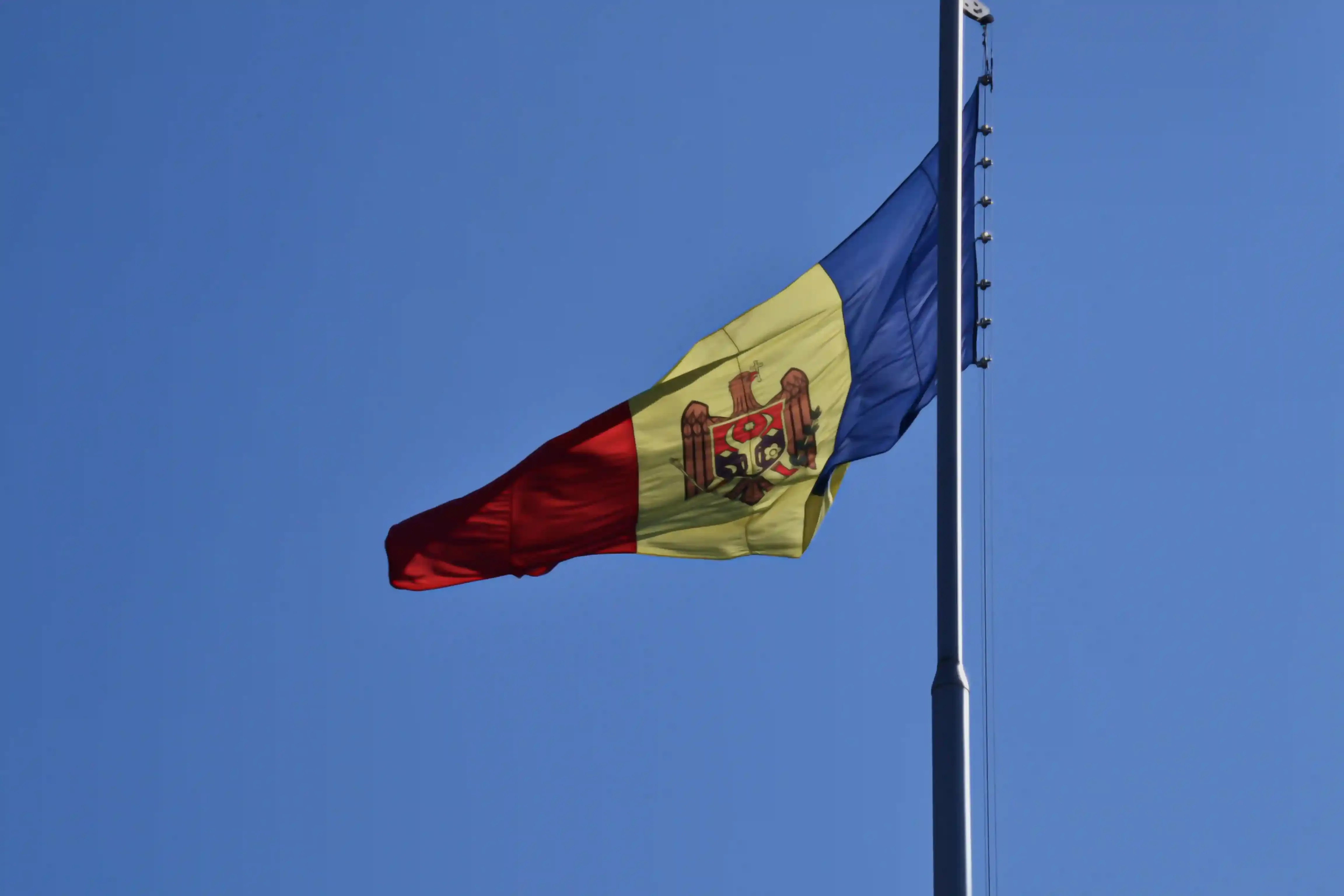
Day Trip to the Republic of Moldova: Chișinău and Cricova Winery
A private full-day tour from Iași to Chișinău, Moldova’s capital, and the famous underground cellars of Cricova. Bring your passport: the tour crosses the border.
* Prices are indicative and subject to seasonal variations or changes applied by the official provider. The exact price and availability are confirmed on the booking platform.
 Viator
Bucharest Food Lovers Tour: Markets, Tastings & Hidden Spots
A small-group food walking tour of Bucharest with a local guide: traditional markets, tastings and hidden corners of the old mahalale neighbourhoods.
* Prices are indicative and subject to seasonal variations or changes applied by the official provider. The exact price and availability are confirmed on the booking platform.
* Prices are indicative and subject to seasonal variations or changes applied by the official provider. The exact price and availability are confirmed on the booking platform.
Where to Taste Romanian Wine
Bucharest is the easiest place to start: wine bars and guided tastings let you compare several regions in one evening. Read our guide to things to do in Bucharest to plan your stay.
Outside the capital, the Prahova Valley combines castles and wine: a day trip can include Peleș Castle, Cantacuzino Castle and a wine experience. Across the border in the Republic of Moldova, the underground cellars of Cricova, with dozens of kilometres of tunnels, are one of the most famous wine sites in the region; you need a passport to cross the border.
Wine and Romanian Food
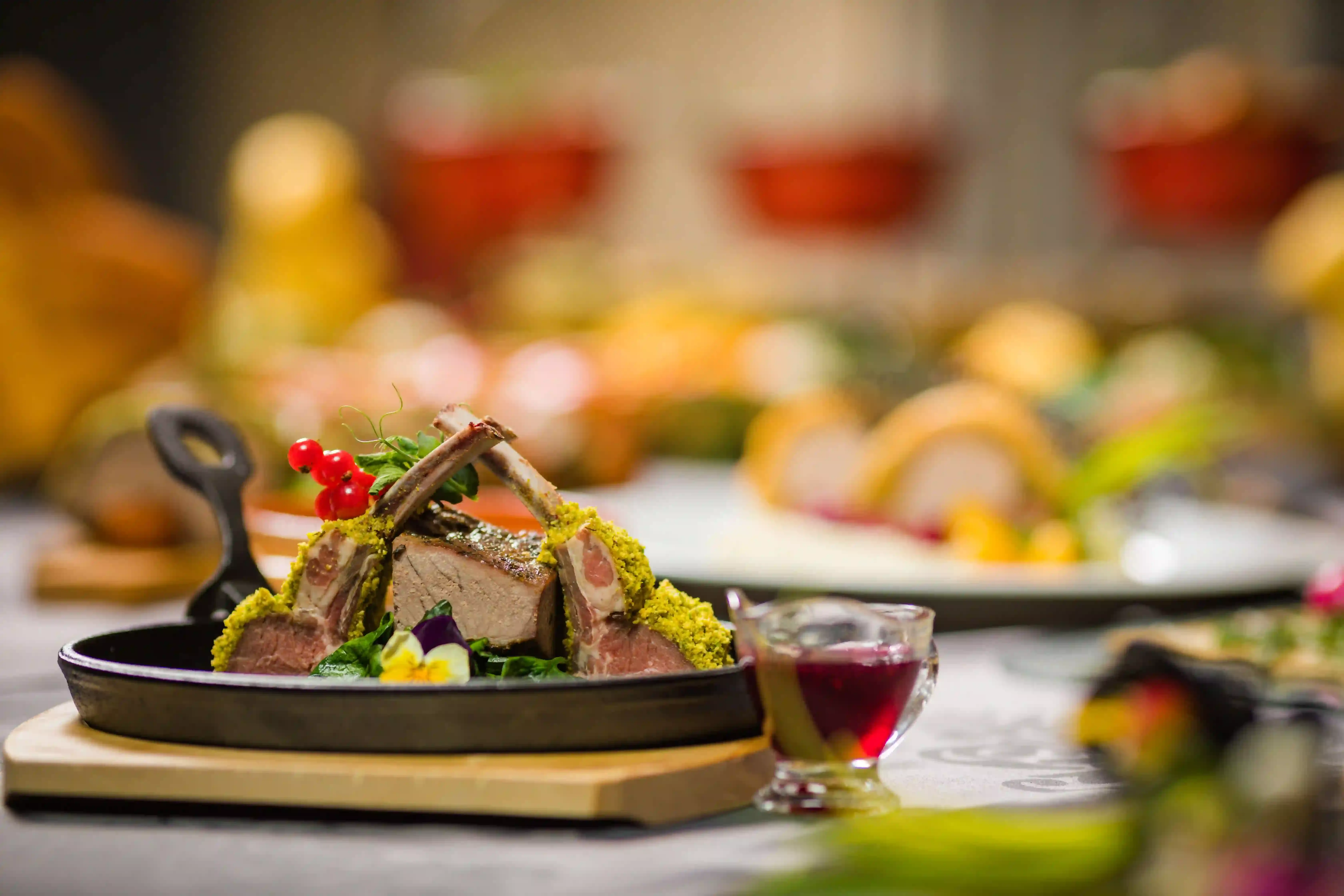
Romanian wine pairs naturally with local dishes: a Fetească Neagră with grilled mici or sarmale, a fresh Fetească Albă with fish from the Danube Delta, and a sweet Cotnari wine with papanași. Read our guide to Romanian food to know what to order.
Useful words: vin roșu (red wine), vin alb (white wine), sec (dry), demisec (medium-dry), dulce (sweet), cramă (winery or cellar) and Noroc! (cheers!).
Tips for Wine Lovers
A few tips to enjoy Romanian wine on your trip:
- Visit in autumn, when the grape harvest takes place in September and October. See the best time to visit Romania.
- Book winery visits in advance: many small wineries only open by appointment.
- Never drink and drive: Romania has zero tolerance, so join a tour or arrange transport.
- Buy bottles to take home at wineries or specialist shops, and check your airline’s rules for liquids in luggage.
Romanian Wine: FAQ
Is Romanian wine good?
Yes. Romania is one of the larger wine producers in Europe, and local grapes such as Fetească Neagră and Fetească Regală make wines that surprise many visitors.
What is the most famous Romanian wine?
Fetească Neagră is the best-known local red. The sweet white wines of Cotnari are also famous.
Where can you taste wine in Bucharest?
In wine bars and on guided tastings, which let you compare several regions in one evening. Dealu Mare wineries are about two hours away.
Which are the best wine regions in Romania?
Dealu Mare for reds, Cotnari for sweet whites, Murfatlar near the Black Sea and Târnave in Transylvania for fresh whites.
Is Cricova in Romania?
No. Cricova is in the Republic of Moldova, near Chișinău. You can visit it on a day trip from Iași, but you need a passport to cross the border.
How do you say “cheers” in Romanian?
Noroc! It literally means “luck”. Other useful words: vin roșu (red wine), vin alb (white wine) and sec (dry).