Romanian Food: Traditional Dishes to Try
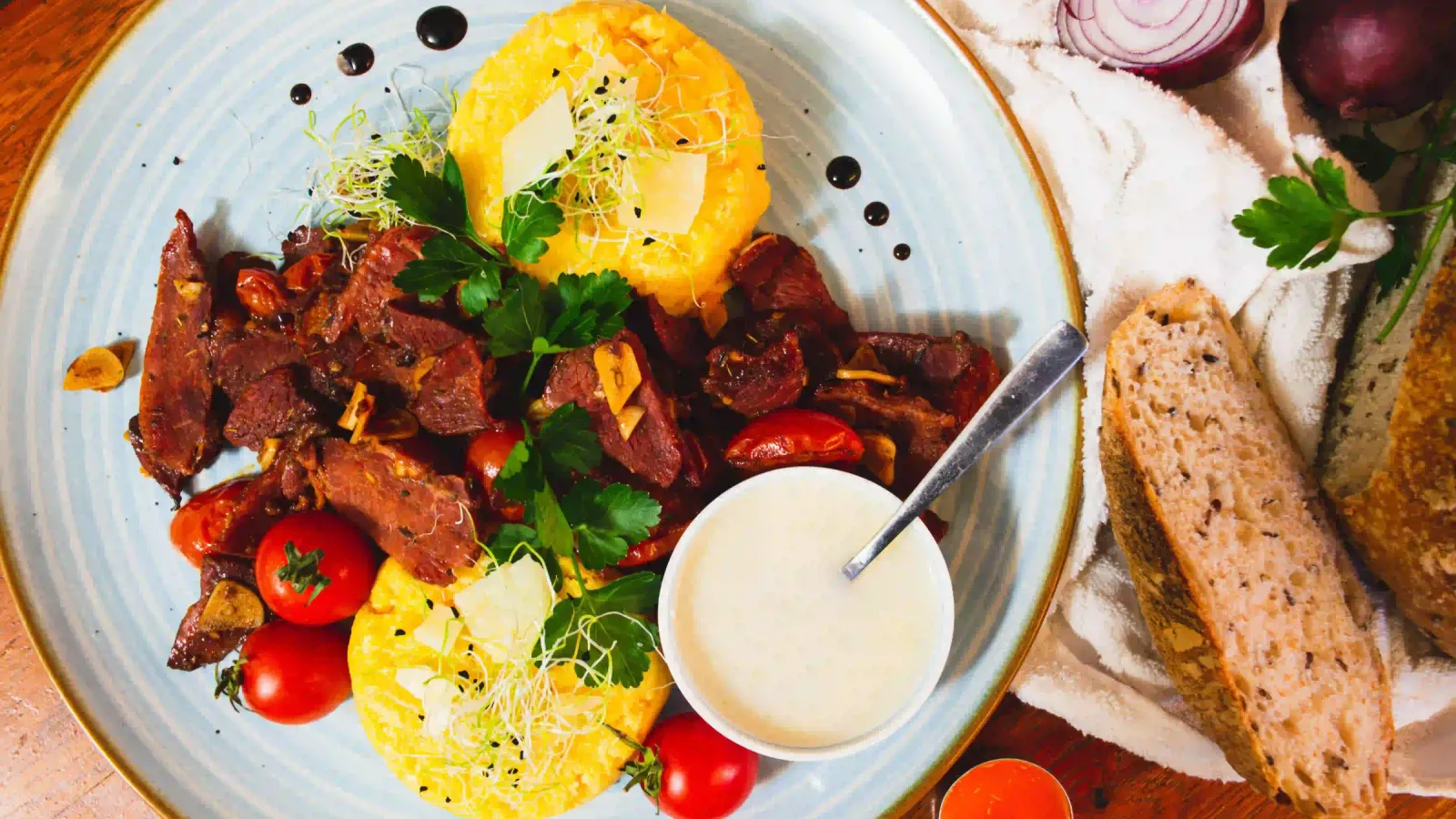
Romanian food is hearty home cooking: sarmale (cabbage rolls), mămăligă (polenta), sour soups called ciorbă, grilled mici and, for dessert, papanași. Portions are generous, sour cream and fresh cheese appear everywhere, and each region adds its own touch. To combine food with culture, see the cultural tours and museums we recommend.
Below you will find the dishes to try, what to drink, options for vegetarians and some tips for eating out.
Published:
Key facts
- The national dishes are sarmale (cabbage rolls) and mămăligă (polenta), often served together.
- Ciorbă, a slightly sour soup, is a typical starter; try ciorbă de burtă or ciorbă de perișoare.
- For dessert, order papanași: cheese doughnuts with sour cream and jam.
- Romania has a long wine tradition, with local grapes such as Fetească Neagră and Fetească Albă.
- Vegetarians can rely on zacuscă, aubergine salad, bean dishes and the many fasting dishes (de post).
Traditional Romanian Dishes at a Glance
These are the classics you will find on menus all over the country:
| Dish | What it is |
|---|---|
| Sarmale | Cabbage or vine leaves stuffed with minced meat and rice, served with sour cream |
| Mămăligă | Polenta, often with cheese and sour cream or as a side to meat |
| Ciorbă de burtă | Sour tripe soup with sour cream and garlic, a Romanian favourite |
| Ciorbă de perișoare | Sour soup with meatballs and vegetables |
| Mici (mititei) | Grilled rolls of minced meat, served with mustard and bread |
| Tochitură | Pork stew with mămăligă, fried egg and cheese |
| Zacuscă | A spread of roasted aubergines and peppers |
| Papanași | Cheese doughnuts with sour cream and jam |
Soups and Main Dishes
A Romanian meal often starts with a ciorbă, a soup soured with fermented bran or lemon and finished with fresh herbs such as lovage. Restaurants usually serve it with sour cream and a hot pepper on the side.
For the main course, sarmale are the star, especially at Christmas and Easter. Mici are the classic of summer terraces and markets, and in the mountains you will find tochitură and plenty of grilled meat with mămăligă.
Food and Wine Tours in Romania
A food lovers’ tour of Bucharest, a wine tasting of Romanian wines and a day combining Peleș and Cantacuzino castles with a gourmet wine experience.
We may earn a commission when you book through our links, at no extra cost to you. Bookings are handled directly by Viator. How we work.
 Viator
Bucharest Food Lovers Tour: Markets, Tastings & Hidden Spots
A small-group food walking tour of Bucharest with a local guide: traditional markets, tastings and hidden corners of the old mahalale neighbourhoods.
* Prices are indicative and subject to seasonal variations or changes applied by the official provider. The exact price and availability are confirmed on the booking platform.
 Viator
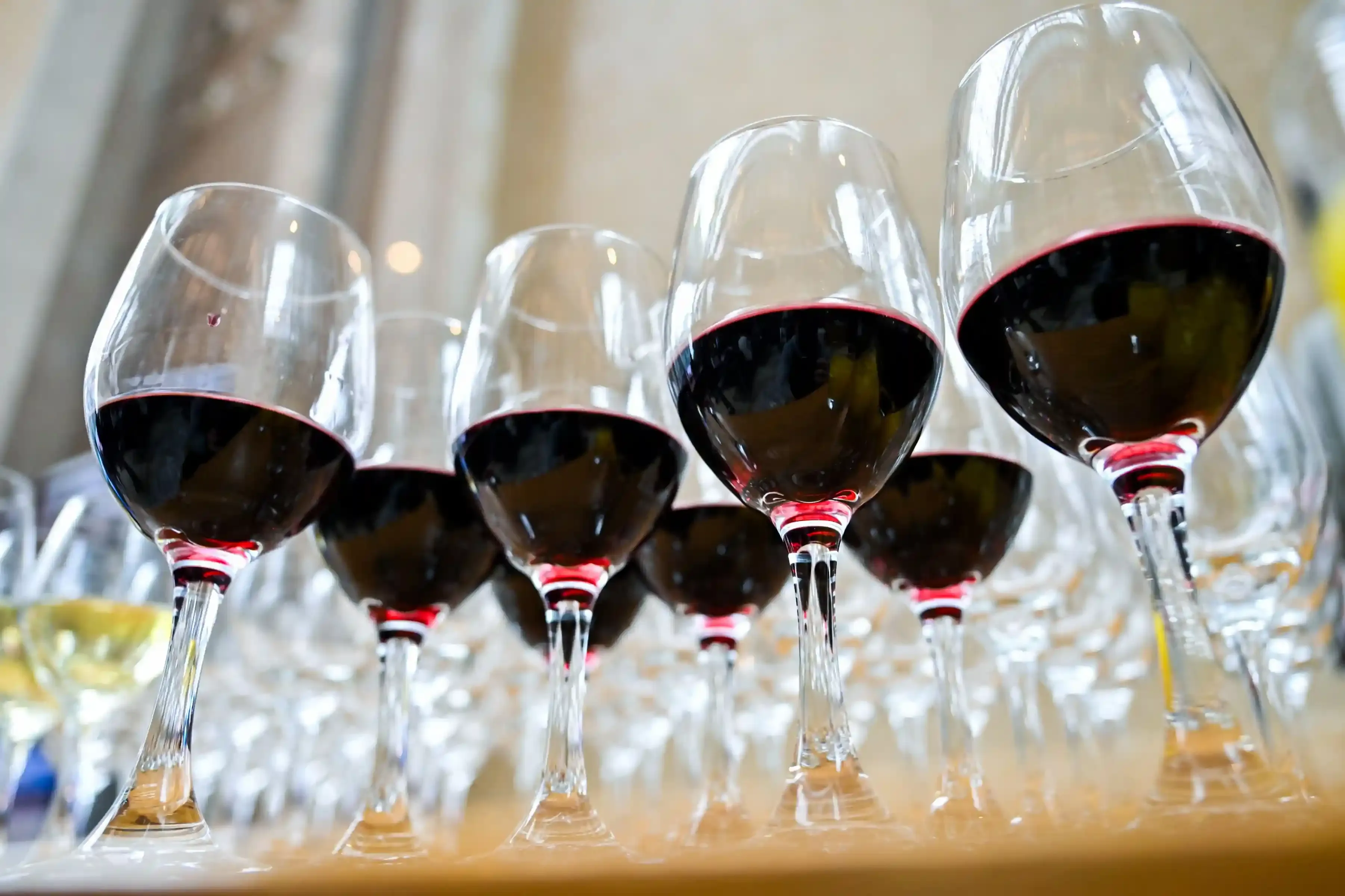
Wine Tasting in Bucharest
A Romanian wine tasting in Bucharest: discover local grape varieties and wine regions with an expert host.
* Prices are indicative and subject to seasonal variations or changes applied by the official provider. The exact price and availability are confirmed on the booking platform.
 Viator
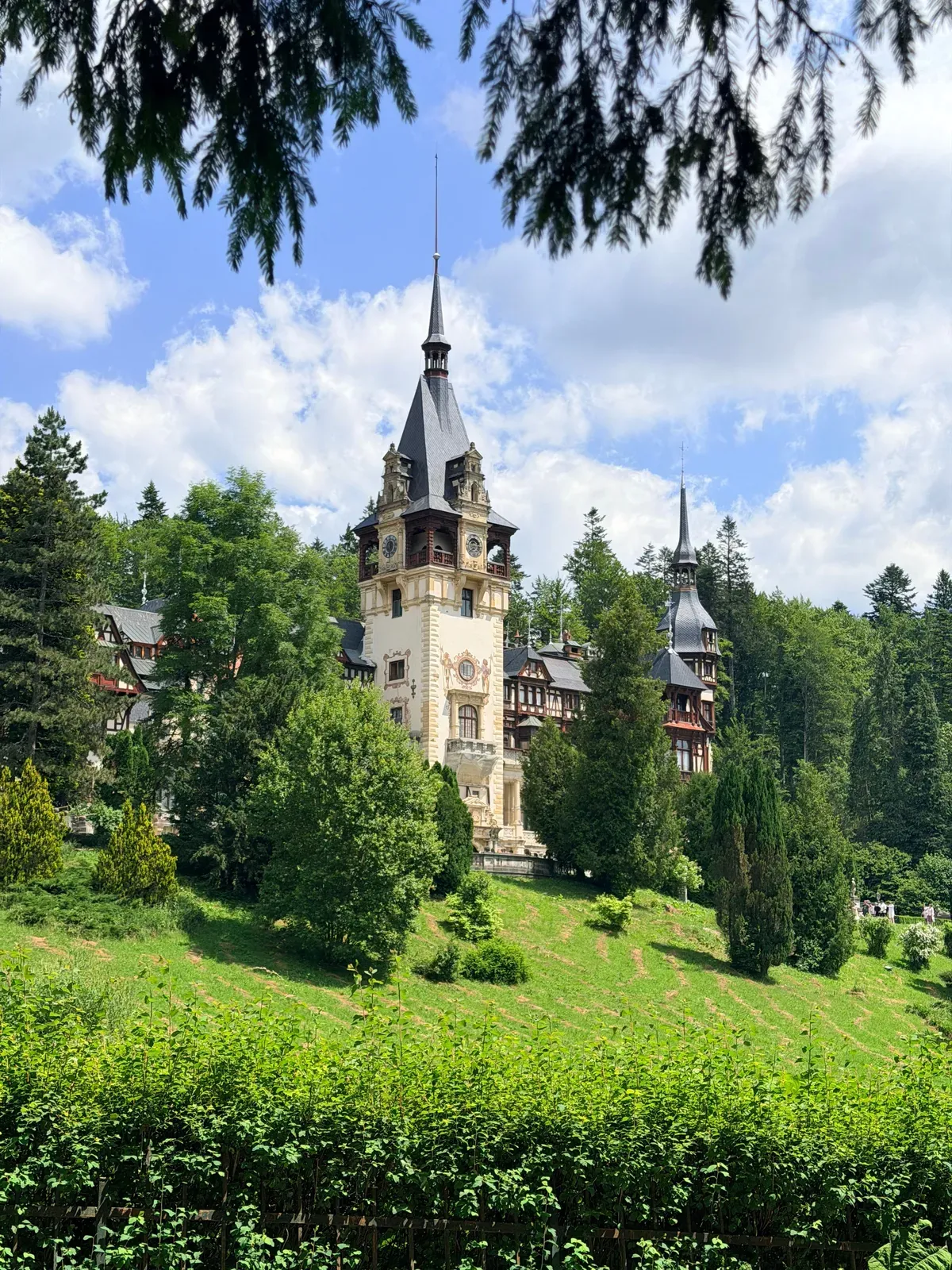
Peleș & Cantacuzino Castles: Gourmet Wine and Culture Day Trip
A private cultural day trip from Bucharest to Peleș Castle and Cantacuzino Castle in the Prahova Valley, with a gourmet wine experience.
* Prices are indicative and subject to seasonal variations or changes applied by the official provider. The exact price and availability are confirmed on the booking platform.
* Prices are indicative and subject to seasonal variations or changes applied by the official provider. The exact price and availability are confirmed on the booking platform.
Cheeses, Spreads and Starters
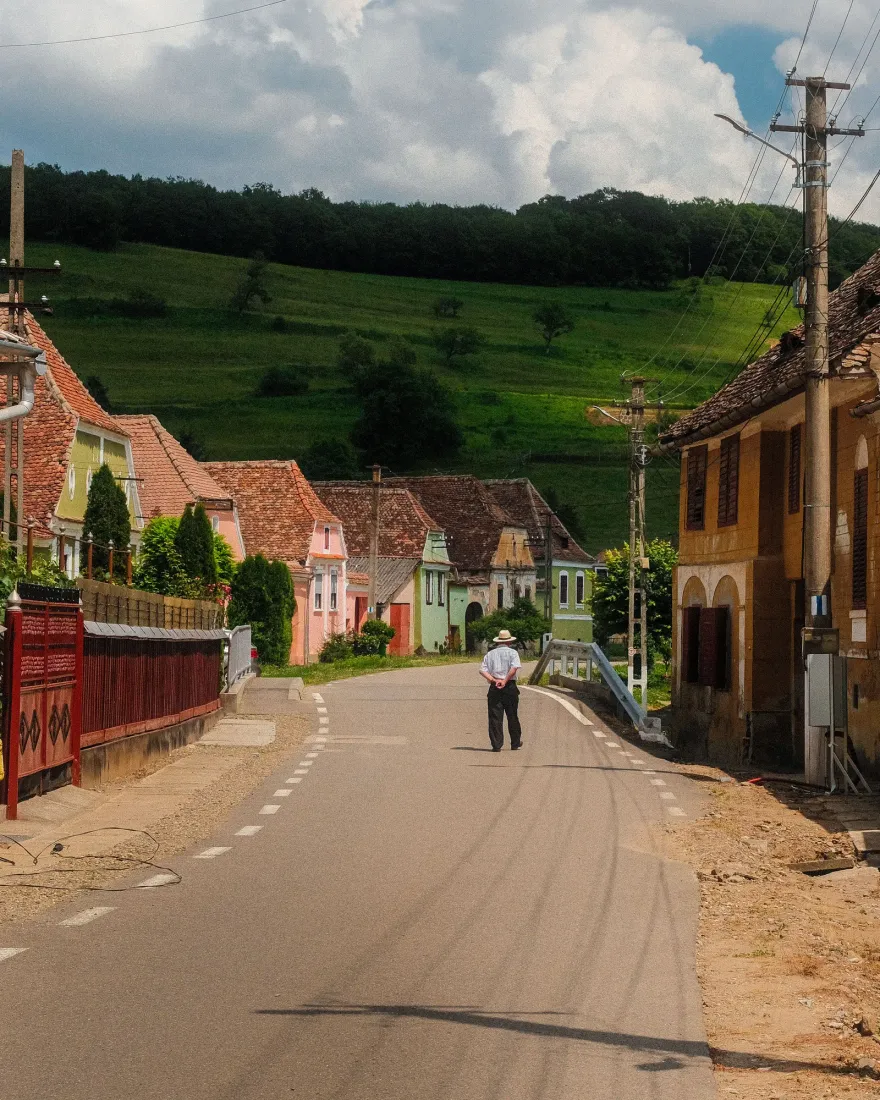
Cheese is everywhere. Telemea is a fresh, salty white cheese; cașcaval is a mild yellow cheese; and in the mountains, brânză de burduf is a strong sheep’s cheese traditionally aged in bark or a sheep’s stomach.
Starters include zacuscă and salată de vinete (aubergine salad) spread on bread, pickled vegetables (murături) and slices of smoked bacon and sausages. In village guesthouses you can often taste homemade versions.
Desserts and Sweets
Leave room for dessert:
- Papanași: fried or boiled cheese doughnuts topped with sour cream and berry jam.
- Cozonac: a sweet bread with walnuts or poppy seeds, typical at Christmas and Easter.
- Plăcintă: pastries filled with cheese, apples or pumpkin.
- Kürtőskalács: the spiral “chimney cake” of Transylvania, baked over embers and coated with sugar or nuts.
Romanian Wine and Drinks
Romania is one of Europe’s wine producers, with regions such as Dealu Mare, Cotnari and Murfatlar. Look for local grapes like Fetească Neagră (red) and Fetească Albă and Fetească Regală (whites).
The traditional spirit is țuică, a plum brandy, and its stronger Transylvanian cousin, pălincă. You will often be offered a glass as a welcome in rural homes. Drink responsibly and never drive after drinking: Romania has zero tolerance for alcohol at the wheel.
Vegetarian Options and Eating Out Tips
Romanian cuisine is meat-heavy, but vegetarians will not go hungry. During Orthodox fasting periods many restaurants offer fasting dishes (de post), made without meat or dairy.
- Vegetarian dishes: zacuscă, aubergine salad, bean stew (fasole), mămăligă with cheese, vegetable ciorbă and mushroom dishes.
- Portions: generous; sharing a starter is a good idea.
- Tipping: around 10% is customary in restaurants if you are happy with the service (more in our practical travel tips).
- Where to eat: try traditional restaurants in the old towns and, in the countryside, home cooking in guesthouses. Read our guide to things to do in Transylvania to plan the route, and money in Romania for paying.
Romanian Food: FAQ
What is the national dish of Romania?
Sarmale, cabbage rolls stuffed with meat and rice, usually served with mămăligă and sour cream.
What is a typical Romanian dessert?
Papanași, cheese doughnuts with sour cream and jam. At Christmas and Easter, cozonac sweet bread is also a must.
Is Romanian food spicy?
Not really. It is hearty rather than spicy; hot peppers are usually served on the side so you can add them yourself.
Is it easy to eat vegetarian in Romania?
Yes, with a little planning. Look for fasting dishes (de post), zacuscă, aubergine salad, bean stew and mămăligă with cheese.
What should I drink in Romania?
Try local wines made from Fetească Neagră or Fetească Albă grapes, and the traditional plum brandy țuică. Never drink and drive.
Do you tip in Romanian restaurants?
Yes, around 10% is customary if you are happy with the service.