Things to Do in Maramureș
Maramureș, in the far north of Romania, is the country’s most traditional region: villages with carved wooden gates, UNESCO-listed wooden churches, the colourful Merry Cemetery of Săpânța and the Mocănița steam train. It is best explored by car over two or three days. For the rest of the country, see our Discover Romania guide.
Below we explain what to see, how to get there and the best time to visit.
Published:
Key facts
- Maramureș is in the far north of Romania, on the border with Ukraine.
- Eight wooden churches of Maramureș, such as Surdești, Ieud and Bârsana, are UNESCO World Heritage sites.
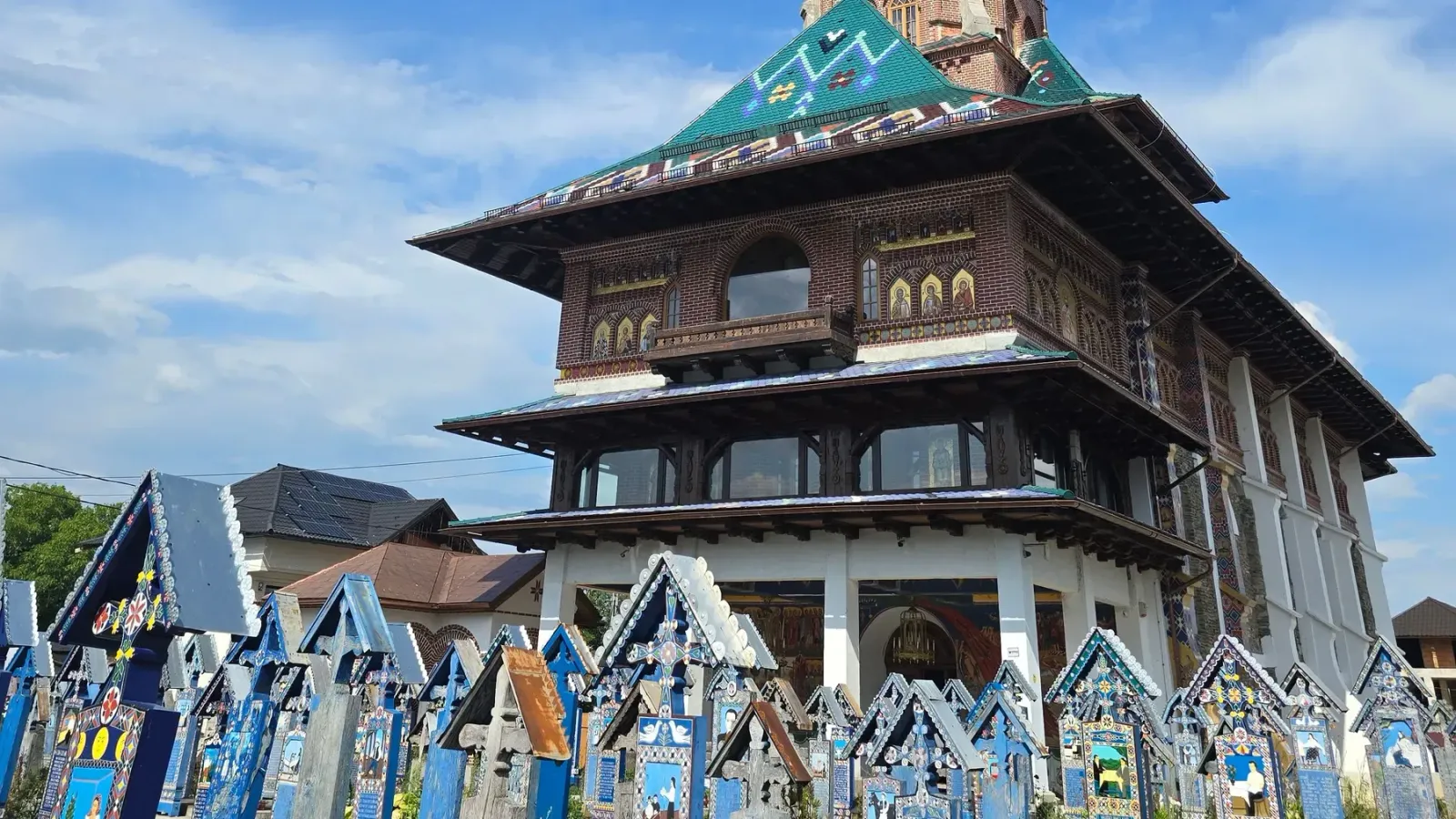
- The Merry Cemetery of Săpânța is known for its painted wooden crosses with humorous epitaphs.
- The Mocănița, a narrow-gauge steam train, runs through the Vaser Valley from Vișeu de Sus, usually in the warmer months.
- Plan 2–3 days and a car; the nearest airports are Baia Mare and Cluj-Napoca.
Maramureș at a Glance
Maramureș is spread across valleys and villages rather than one city. These are the highlights:
| Sight | What it is | Where |
|---|---|---|
| Wooden churches | Tall timber churches with steep roofs and painted interiors | Surdești, Ieud, Bârsana, Budești and others |
| Merry Cemetery | Painted wooden crosses with humorous epitaphs | Săpânța |
| Memorial of the Victims of Communism | A museum in a former political prison | Sighetu Marmației |
| Mocănița | A narrow-gauge steam train through a forested valley | Vișeu de Sus |
| Bârsana Monastery | A modern complex of tall wooden buildings | Bârsana |
| Traditional villages | Carved gates, haystacks and old customs | Breb, Botiza, Ieud |
The Wooden Churches of Maramureș
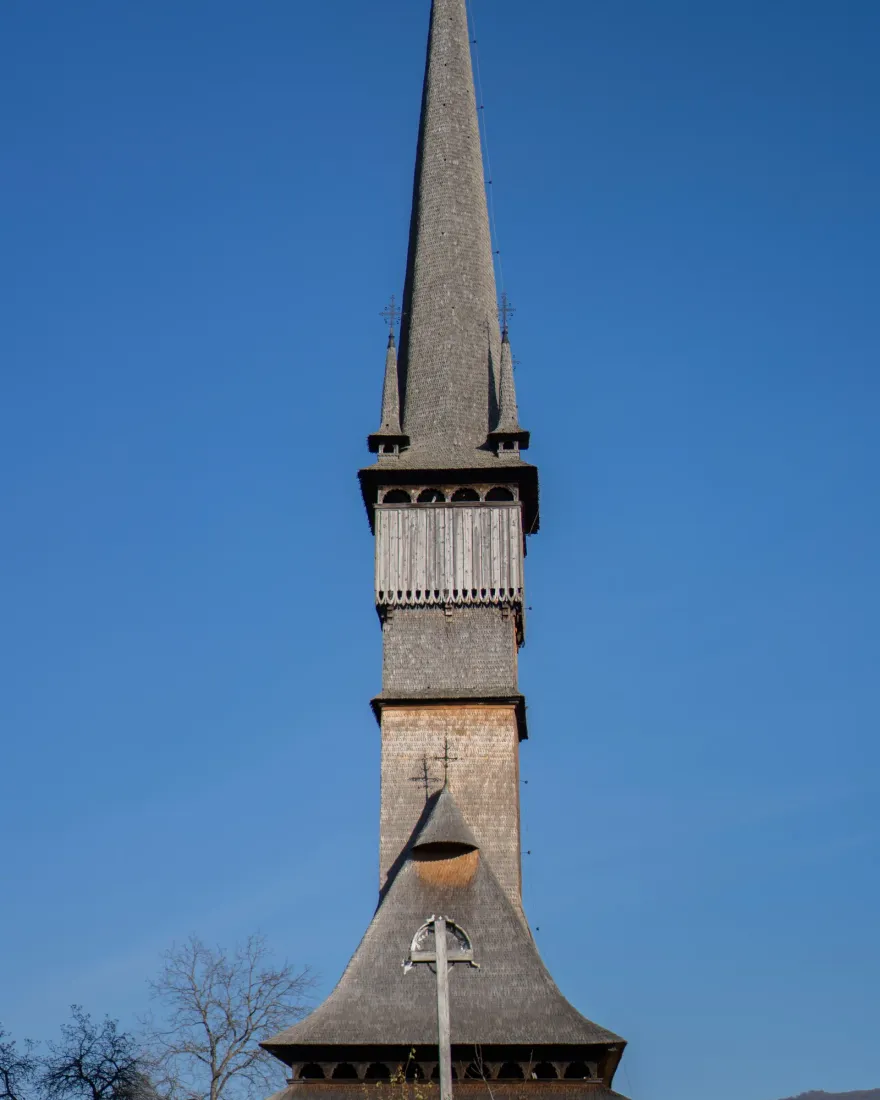
Maramureș is famous for its wooden churches, built mostly in the 17th and 18th centuries with tall, slender bell towers and steep shingle roofs. Eight of them are UNESCO World Heritage sites, including Surdești, whose spire is one of the tallest of any wooden church, as well as Ieud, Bârsana, Budești, Desești, Plopiș, Poienile Izei and Rogoz.
Many are still used for worship, and their interiors are covered with naive paintings. Opening times vary, so ask locally for the key holder if a church is closed, and dress modestly when you go in.
Tours in Northern Transylvania
Maramureș is best explored by car. On the way from Cluj, you can visit the Turda salt mine and gorge, and in central Transylvania join a day to Sighișoara, Viscri and Rupea or a 2-day trip from Bucharest.
We may earn a commission when you book through our links, at no extra cost to you. Bookings are handled directly by Viator. How we work.
 Viator
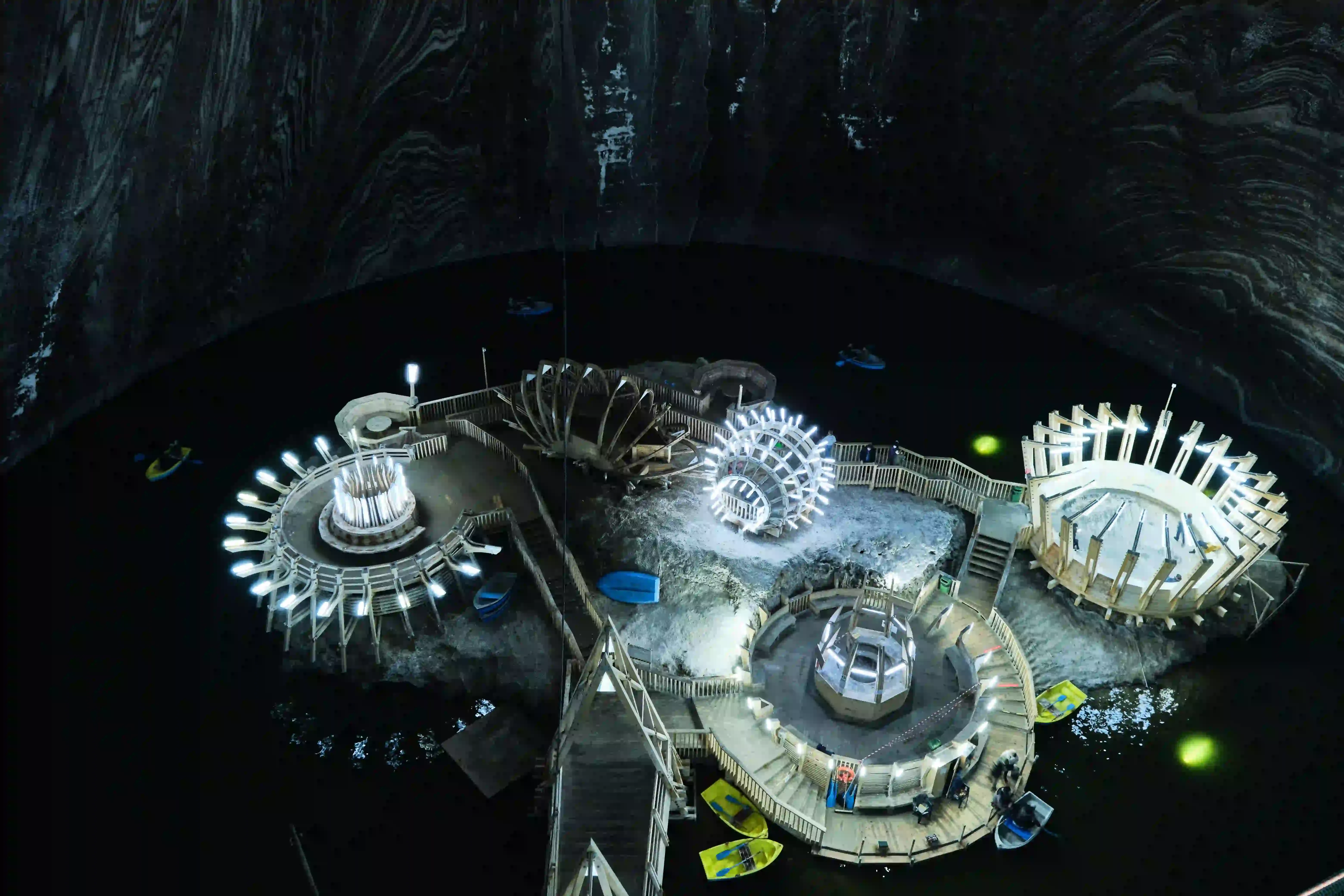
Curly Tour: Day Trip from Cluj to Turda Salt Mine & Turda Gorge
A day trip from Cluj-Napoca to the spectacular Turda Salt Mine (Salina Turda) and the dramatic limestone canyon of Turda Gorge.
* Prices are indicative and subject to seasonal variations or changes applied by the official provider. The exact price and availability are confirmed on the booking platform.
 Viator
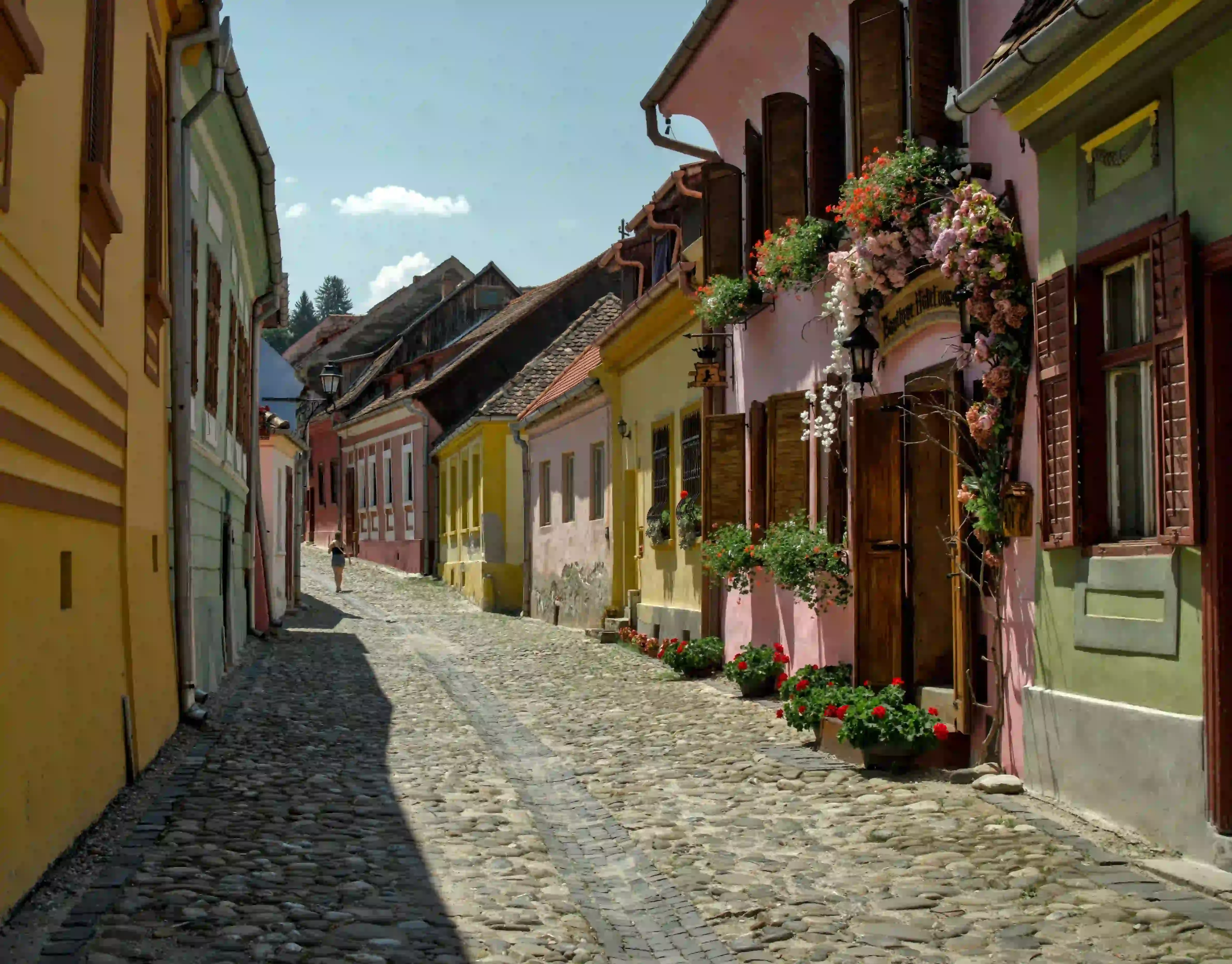
Small-Group Tour of Sighișoara, Viscri and Rupea from Brașov
A small-group day trip from Brașov to the medieval citadel of Sighișoara, the Saxon village of Viscri and Rupea Fortress: UNESCO heritage in one day.
* Prices are indicative and subject to seasonal variations or changes applied by the official provider. The exact price and availability are confirmed on the booking platform.
 Viator
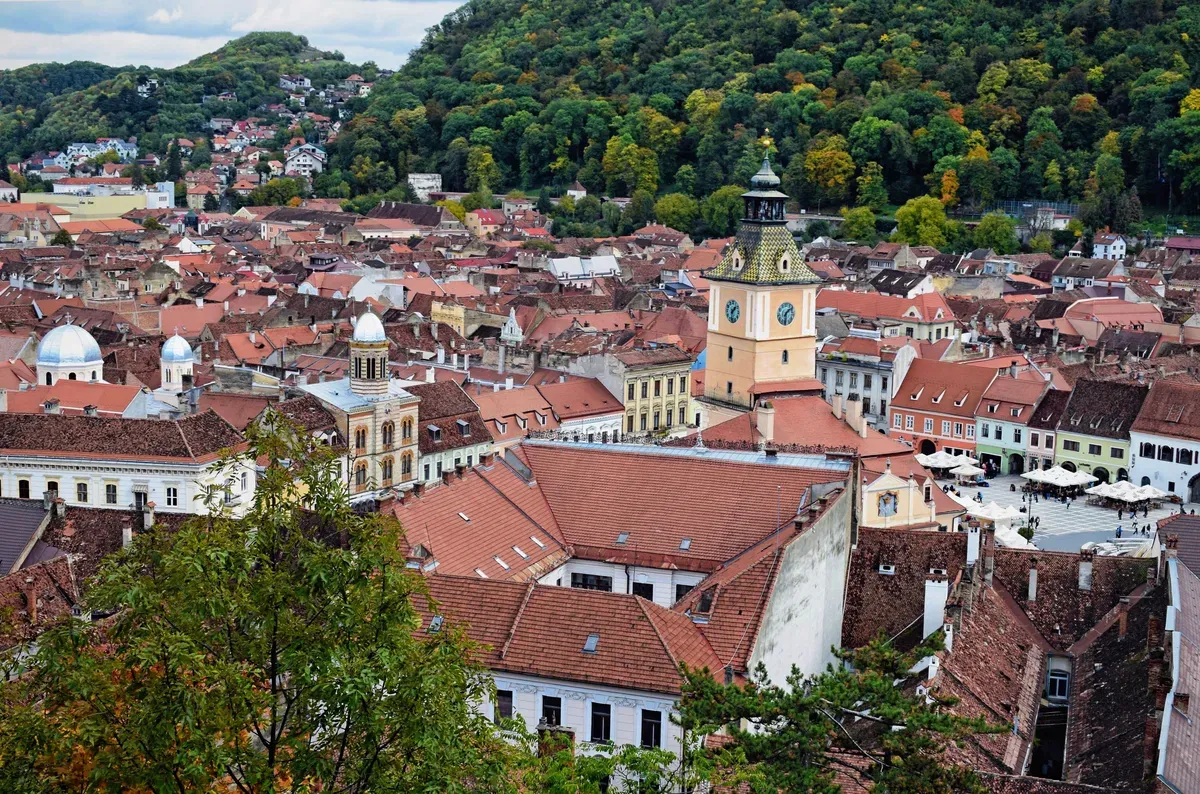
2-Day Transylvania from Bucharest: Brașov, Bran, Sighișoara
A 2-day trip from Bucharest through Transylvania: the old town of Brașov, Bran Castle (“Dracula’s Castle”) and the medieval citadel of Sighișoara.
* Prices are indicative and subject to seasonal variations or changes applied by the official provider. The exact price and availability are confirmed on the booking platform.
* Prices are indicative and subject to seasonal variations or changes applied by the official provider. The exact price and availability are confirmed on the booking platform.
The Merry Cemetery of Săpânța
In the village of Săpânța, near the Ukrainian border, the Merry Cemetery turns the idea of a graveyard upside down. Its crosses are carved from oak, painted in bright blue and decorated with scenes from the life of each person, along with short, often humorous verses.
The tradition was started by a local craftsman in the 1930s and has been continued by his apprentices. It is one of the most original places in Romania, and a short visit is enough.
Sighetu Marmației, the Mocănița and Bârsana
In Sighetu Marmației, the former political prison now houses the Memorial of the Victims of Communism, a moving museum about Romania’s recent history.
From Vișeu de Sus, the Mocănița steam train runs along a narrow-gauge forestry railway through the Vaser Valley, usually in the warmer months; check dates and book ahead in summer. Not far away, Bârsana Monastery impresses with its tall modern wooden buildings in the traditional style.
Village Life and Traditions
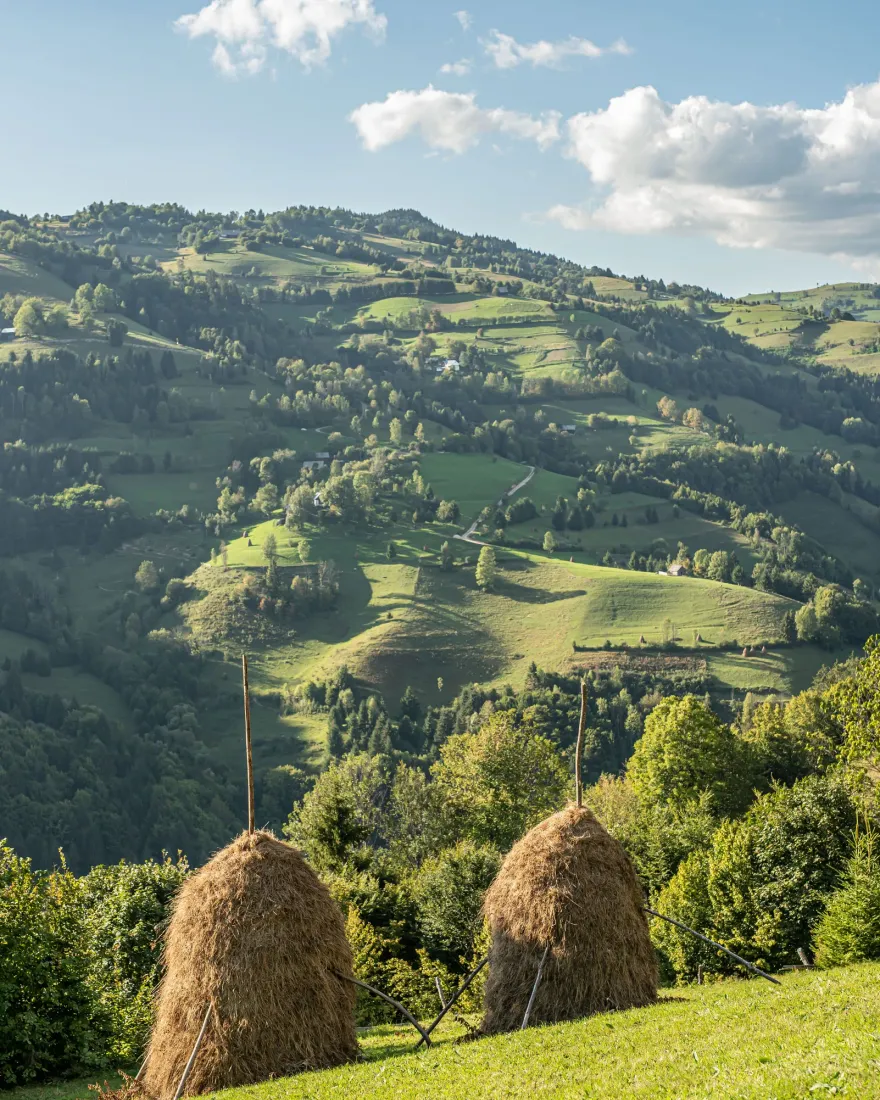
What makes Maramureș special is everyday life in its villages. You will see huge carved wooden gates, haystacks in the fields and, on Sundays, people in traditional dress on their way to church.
Villages such as Breb, Botiza and Ieud have guesthouses where you can taste home cooking and slow down for a few days. Around Christmas and New Year, carols and old customs are still very much alive.
How to Get There and When to Go
Maramureș is far from Bucharest, so the easiest option is to fly to Baia Mare or Cluj-Napoca and rent a car. From Cluj it is a few hours’ drive. Public transport between the villages is limited, so a car is really the best way to explore.
Late spring to autumn is the best time for the villages and the steam train, while December brings winter traditions. To combine Maramureș with the north of Transylvania, read things to do in Transylvania, and for road tips, getting around Romania.
Things to Do in Maramureș: FAQ
Is Maramureș worth visiting?
Yes, if you enjoy traditional villages, wooden churches and rural life. It is one of the most authentic regions in Europe, though it takes time to reach.
How many wooden churches in Maramureș are UNESCO sites?
Eight: Bârsana, Budești, Desești, Ieud, Plopiș, Poienile Izei, Rogoz and Surdești.
Where is the Merry Cemetery?
In the village of Săpânța, in Maramureș, near the border with Ukraine and not far from Sighetu Marmației.
How many days do you need in Maramureș?
Two to three days to see the wooden churches, the Merry Cemetery and a couple of villages; more if you want to ride the Mocănița or relax in a guesthouse.
How do I get to Maramureș?
Fly to Baia Mare or Cluj-Napoca and rent a car. Public transport between the villages is limited.
When does the Mocănița steam train run?
Usually in the warmer months, with fewer departures out of season. Check the official dates and book ahead in summer.