The Painted Monasteries of Bucovina
In Bucovina, in north-eastern Romania, a group of 15th and 16th century churches are covered inside and out with colourful frescoes. The best known are Voroneț, famous for its intense blue, Sucevița, Moldovița and Humor, and eight of these churches are UNESCO World Heritage sites. You need a car and one or two days to see them. They are one of the cultural highlights of the country, alongside the cultural tours and museums we recommend.
Below we explain what makes each monastery special, how to plan a route and how to visit respectfully.
Published:
Key facts
- The painted churches of Bucovina date mainly from the 15th and 16th centuries.
- Eight churches of northern Moldavia, including Voroneț, Sucevița, Moldovița and Humor, are UNESCO World Heritage sites.
- Voroneț is known for its intense “Voroneț blue” and the Last Judgement on its west wall.
- The monasteries are active religious communities: dress modestly and keep quiet.
- Plan 1–2 days by car; good bases are Gura Humorului and Suceava, which has an airport.
The Main Painted Monasteries at a Glance
Each monastery has its own character and dominant colour. These are the ones most visitors include:
| Monastery | Known for |
|---|---|
| Voroneț | The intense “Voroneț blue” and the Last Judgement on the west wall |
| Sucevița | The largest complex, with green tones, fortified walls and the Ladder of Virtues |
| Moldovița | Warm yellow tones and the Siege of Constantinople fresco |
| Humor | Reddish-brown tones and a peaceful setting |
| Arbore | A small church with well-preserved frescoes on its west wall |
Voroneț: The “Sistine Chapel of the East”
Voroneț is the most famous of the painted churches. Its exterior frescoes are dominated by a deep blue so characteristic that it has its own name, Voroneț blue. On the west wall, a huge Last Judgement fills the façade with scenes of heaven and hell.
It is small and can be busy in summer, so arrive early in the morning. It is only a few kilometres from Gura Humorului, a convenient base for the area.
Tours in Romania’s North-East and Beyond
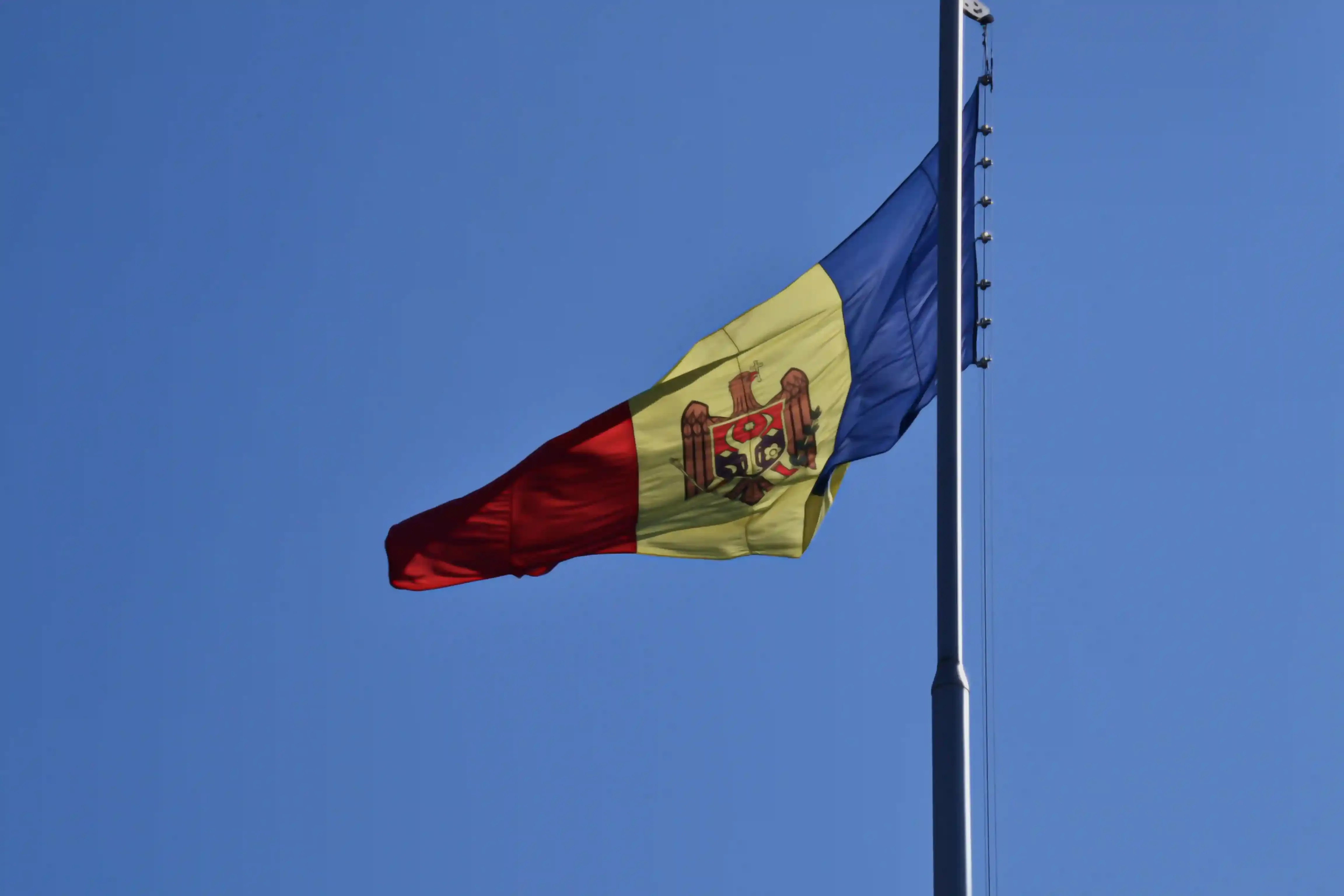
There are no Bucovina tours in our selection yet. From Iași, in the north-east, you can join a day trip to the Republic of Moldova; in Transylvania, a 2-day trip from Bucharest or a day to Sighișoara, Viscri and Rupea.
We may earn a commission when you book through our links, at no extra cost to you. Bookings are handled directly by Viator. How we work.
 Viator
Day Trip to the Republic of Moldova: Chișinău and Cricova Winery
A private full-day tour from Iași to Chișinău, Moldova’s capital, and the famous underground cellars of Cricova. Bring your passport: the tour crosses the border.
* Prices are indicative and subject to seasonal variations or changes applied by the official provider. The exact price and availability are confirmed on the booking platform.
 Viator
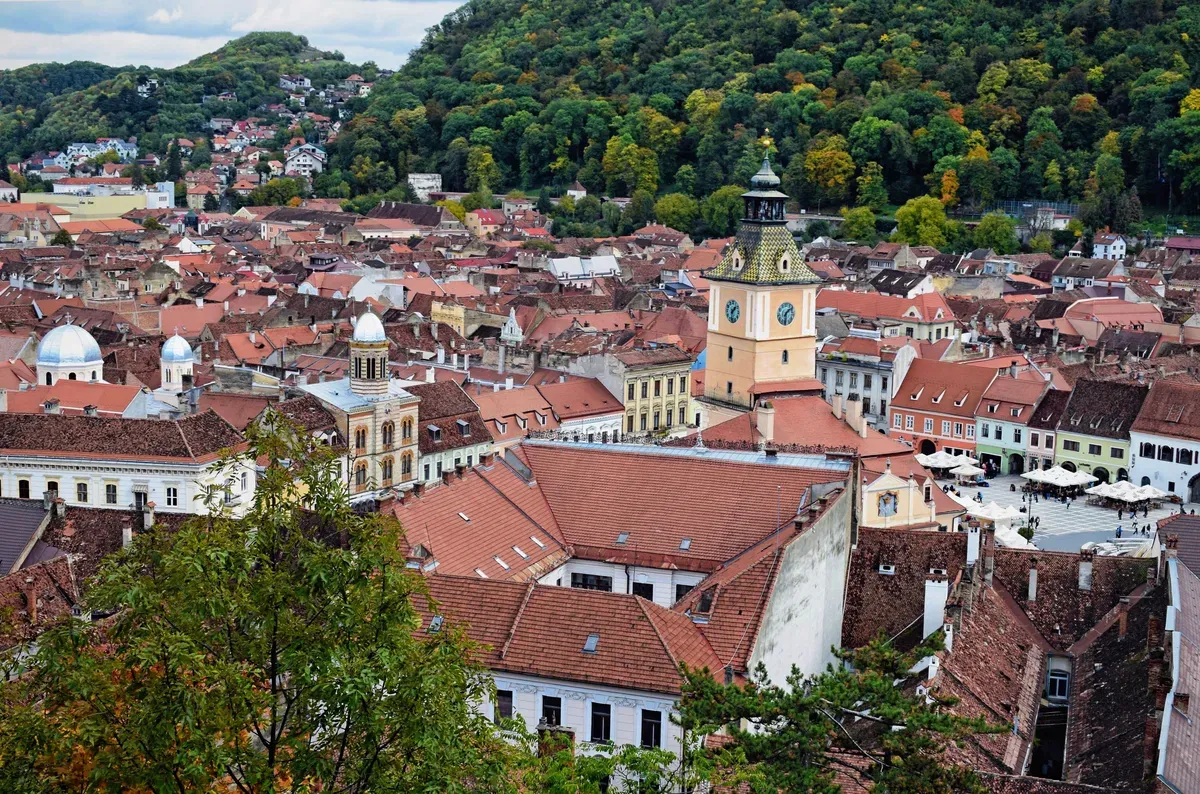
2-Day Transylvania from Bucharest: Brașov, Bran, Sighișoara
A 2-day trip from Bucharest through Transylvania: the old town of Brașov, Bran Castle (“Dracula’s Castle”) and the medieval citadel of Sighișoara.
* Prices are indicative and subject to seasonal variations or changes applied by the official provider. The exact price and availability are confirmed on the booking platform.
 Viator
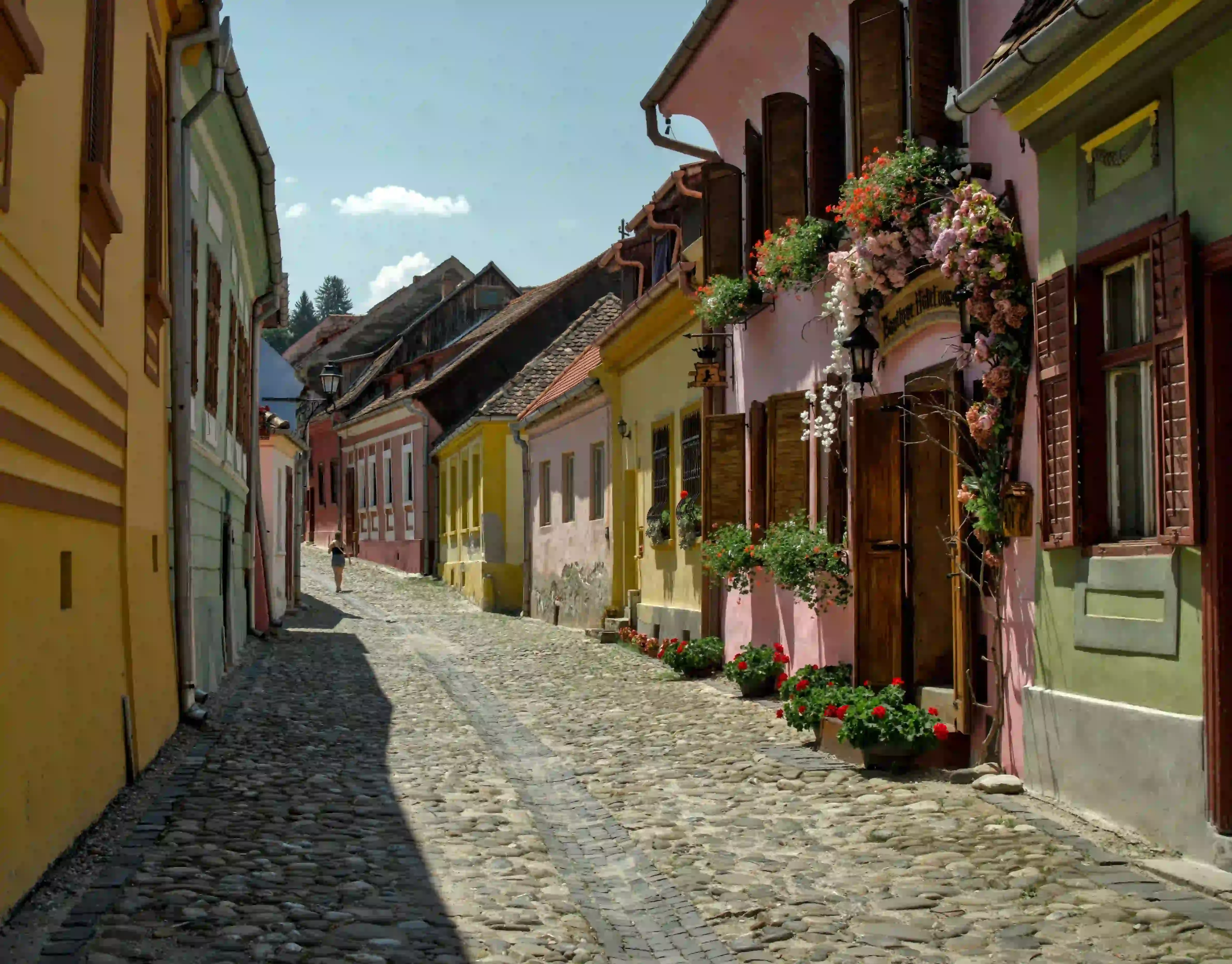
Small-Group Tour of Sighișoara, Viscri and Rupea from Brașov
A small-group day trip from Brașov to the medieval citadel of Sighișoara, the Saxon village of Viscri and Rupea Fortress: UNESCO heritage in one day.
* Prices are indicative and subject to seasonal variations or changes applied by the official provider. The exact price and availability are confirmed on the booking platform.
* Prices are indicative and subject to seasonal variations or changes applied by the official provider. The exact price and availability are confirmed on the booking platform.
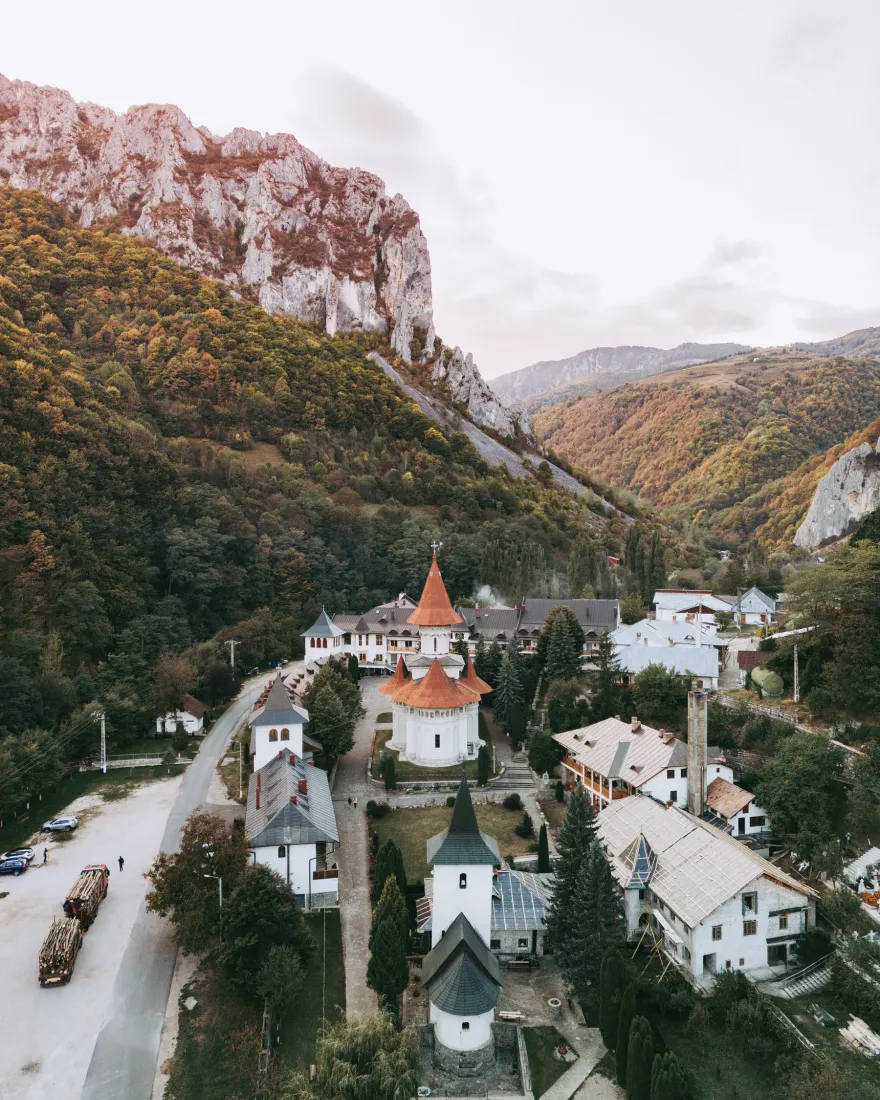
Sucevița, Moldovița and Humor
Sucevița is the largest complex, surrounded by fortified walls with towers. Its frescoes are dominated by green tones, and the north wall shows the famous Ladder of Virtues.
Moldovița stands out for its warm yellow tones and a fresco of the Siege of Constantinople, while Humor, with reddish-brown tones, is one of the quietest. Nearby, Putna Monastery, not painted on the outside, is important as the burial place of Stephen the Great.
Suggested Route and How to Get There
Bucovina is far from Bucharest, so it is easiest to fly to Suceava or take the train and rent a car there. Public transport between the monasteries is limited.
- Day 1: Suceava (citadel), Humor and Voroneț, sleeping in Gura Humorului.
- Day 2: Moldovița and Sucevița across the hills, with a stop at Marginea, known for its black pottery, and, if you have time, Putna.
- Combine Bucovina with other regions in a longer trip: see our 7-day Romania itinerary and getting around Romania.
How to Visit Respectfully
The painted monasteries are active communities of monks or nuns, not just monuments. When you visit:
- Cover shoulders and knees; women may be asked to cover their hair, and wraps are often provided.
- Keep quiet, especially during services.
- Ask before taking photos; inside the churches it is often not allowed, and some monasteries charge a small fee for photos.
- Entry usually requires a small ticket. More etiquette tips in our practical travel tips.
When to Visit
Late spring to early autumn is the most pleasant time, with green hills and long days. Orthodox Easter, usually in April or early May, is a special time to visit, with services and the tradition of decorated eggs, for which the region is famous.
In winter the monasteries remain open, but days are short and roads in the hills can be snowy, so allow extra time.
Painted Monasteries of Bucovina: FAQ
Which is the most beautiful painted monastery in Bucovina?
Voroneț is the most famous, for its intense blue and the Last Judgement. Sucevița is the largest and many visitors consider it the most impressive.
How many painted monasteries are UNESCO sites?
Eight churches of northern Moldavia are on the UNESCO list, including Voroneț, Sucevița, Moldovița, Humor and Arbore.
How many days do you need for the painted monasteries?
One full day for Voroneț, Humor, Moldovița and Sucevița; two days for a more relaxed visit with Suceava and Putna.
How do I get to Bucovina?
Fly or take the train to Suceava and rent a car. Public transport between the monasteries is limited.
Is there a dress code at the monasteries?
Yes. Cover shoulders and knees, and women may be asked to cover their hair. Wraps are often available at the entrance.
Can you take photos at the painted monasteries?
Usually outside, sometimes for a small fee. Inside the churches photography is often not allowed: ask before you take pictures.