Things to Do in Cluj-Napoca
Cluj-Napoca, the unofficial capital of Transylvania, is a lively university city with a compact historic centre. The top things to do are Union Square and St Michael’s Church, the Botanical Garden, the view from Cetățuia Hill and a day trip to the spectacular Salina Turda salt mine. It is also a great gateway to northern Transylvania; see more regions in our guide to discovering Romania.
Below we go through the best sights, the day trips from the city and how many days to plan.
Published:
Key facts
- Cluj-Napoca is one of the largest cities in Romania and the main city of northern Transylvania.
- Must-sees: Union Square, St Michael’s Church, the Botanical Garden and Cetățuia Hill.
- The top day trip is Salina Turda, about 45 minutes away, often combined with Turda Gorge.
- Plan 1–2 days for the city and one more day for Turda or the Apuseni Mountains.
- Cluj Avram Iancu International Airport has flights to many European cities.
Cluj-Napoca’s Top Sights at a Glance
Most of the centre can be explored on foot in a day:
| Sight | Why go |
|---|---|
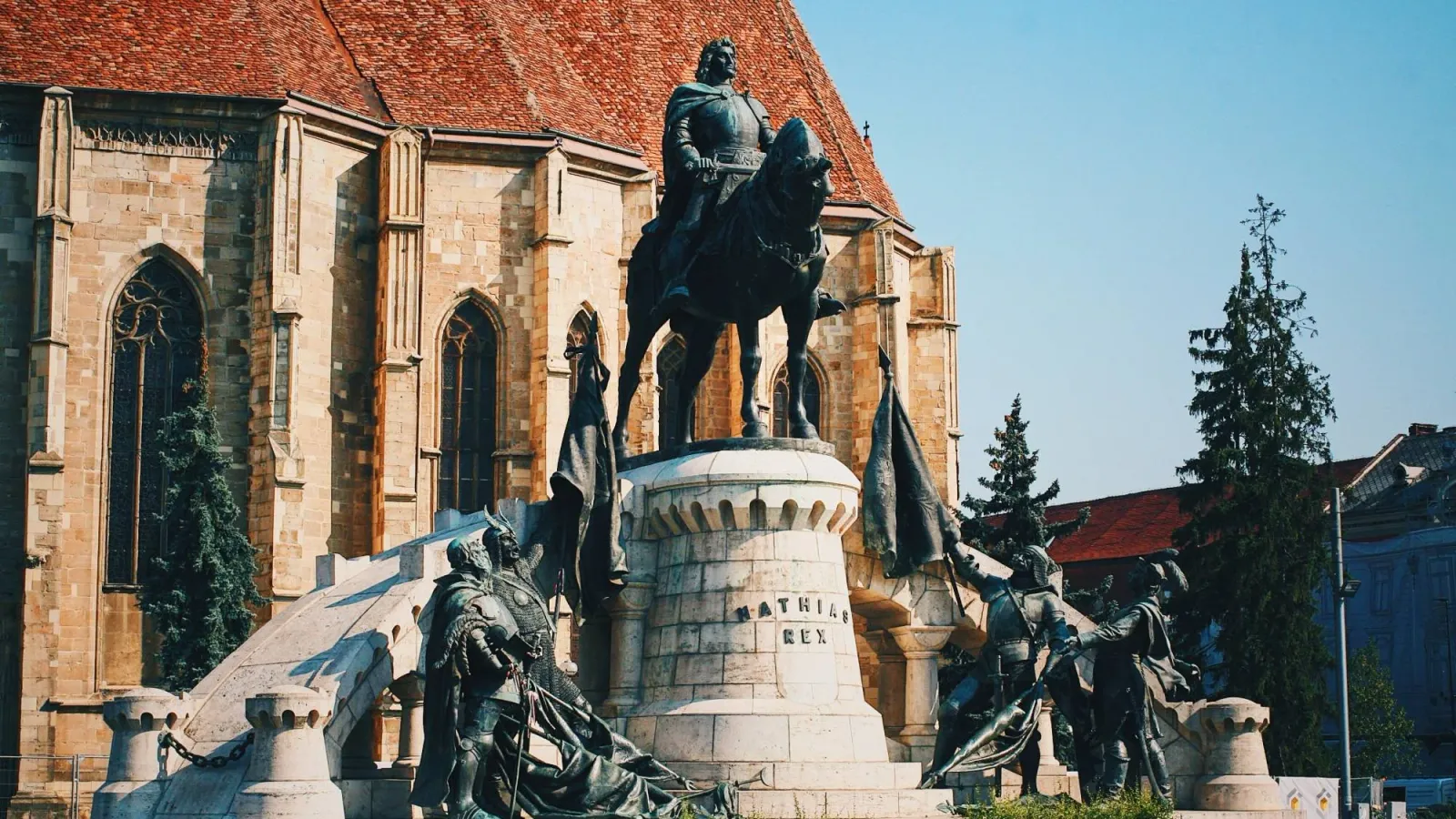
| Union Square and St Michael’s Church | The main square, with a large Gothic church and the statue of Matthias Corvinus |
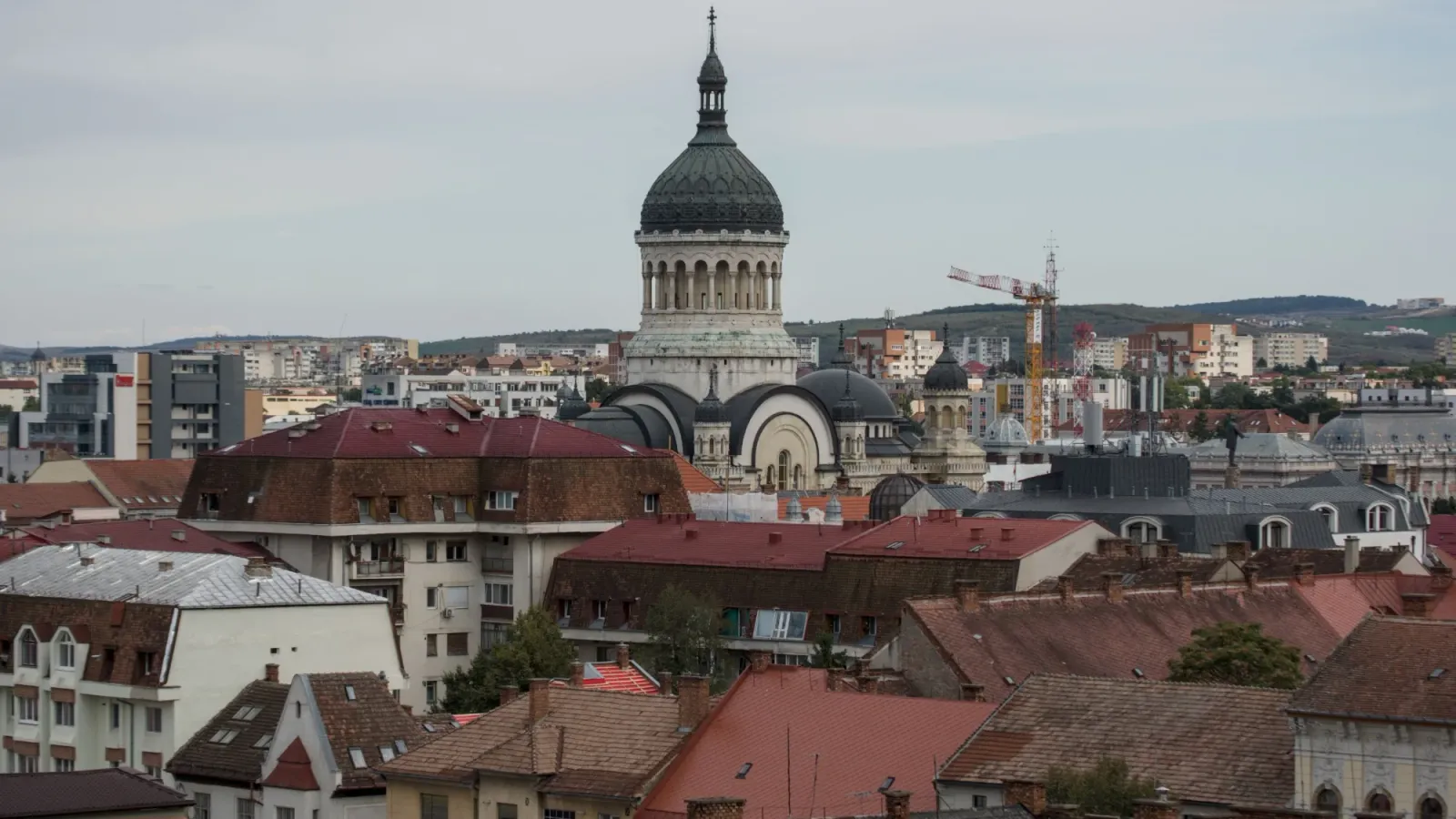
| Avram Iancu Square | The Orthodox Cathedral and the National Theatre |
| Botanical Garden | Gardens, greenhouses and a Japanese garden near the centre |
| Cetățuia Hill | The best view over the city, especially at sunset |
| Ethnographic Museum of Transylvania | Folk costumes and traditions, with an open-air section |
| Central Park | A lake, the old Casino and plenty of places to relax |
Union Square and the Old Town
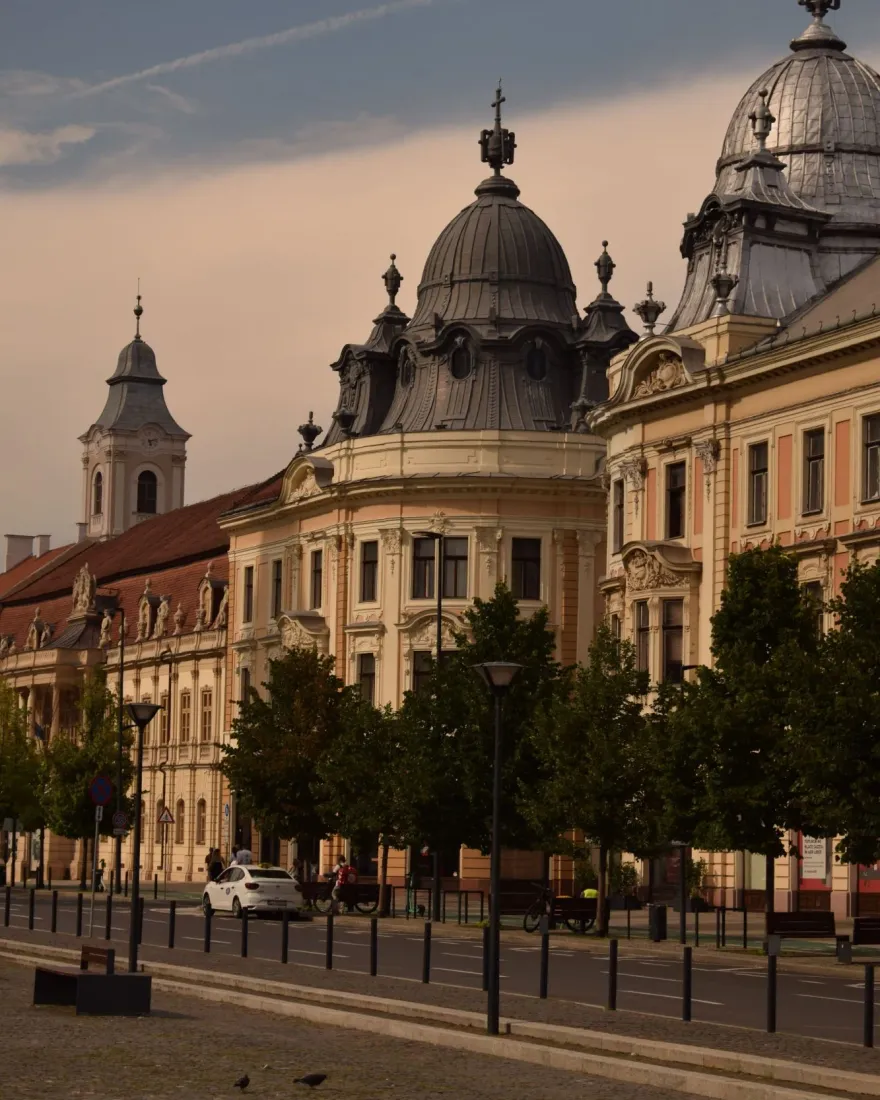
Union Square (Piața Unirii) is the heart of Cluj. It is dominated by St Michael’s Church, one of the largest Gothic churches in Transylvania, and by the equestrian statue of Matthias Corvinus, the famous king of Hungary who was born in the city. His birth house stands a few streets away.
From there, walk to Museum Square, the Tailors’ Bastion, part of the old city walls, and Avram Iancu Square, with the domed Orthodox Cathedral and the National Theatre.
More Tours in Transylvania
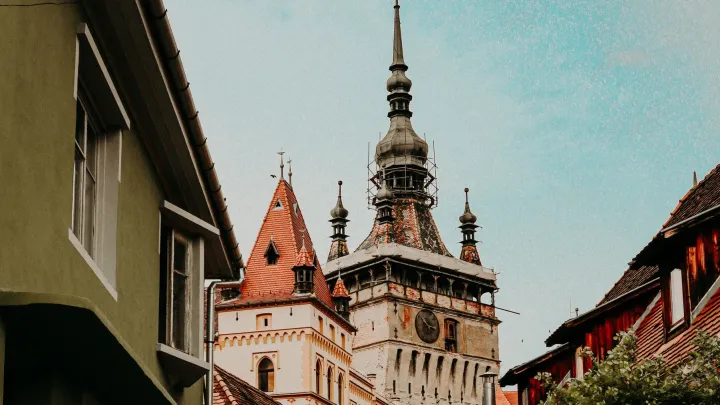
Our selection only includes one tour from Cluj, the Salina Turda trip above. Elsewhere in Transylvania: a day trip to Sighișoara, Viscri and Rupea, a 2-day tour from Bucharest and a 4x4 nature tour from Brașov.
We may earn a commission when you book through our links, at no extra cost to you. Bookings are handled directly by Viator. How we work.
 Viator
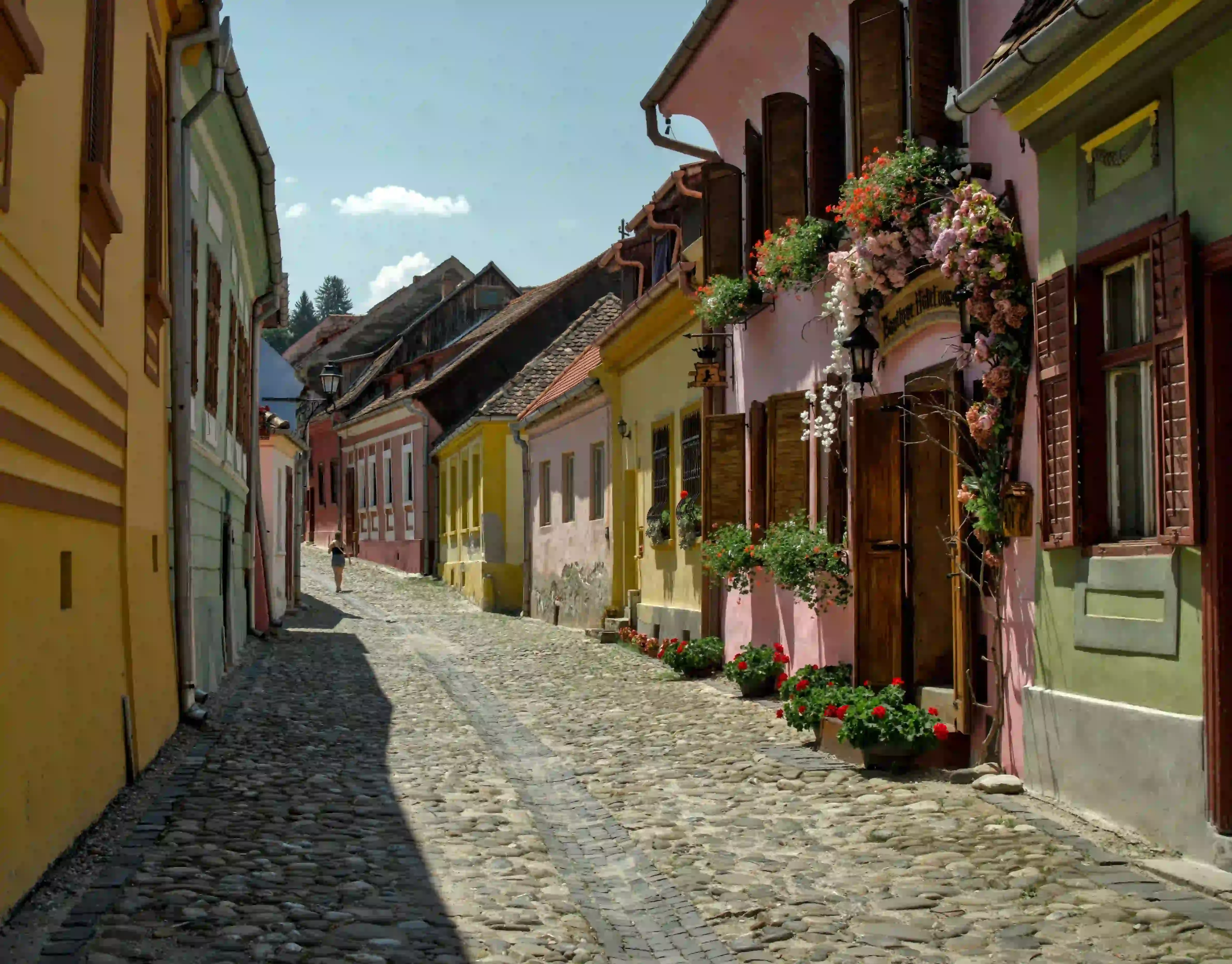
Small-Group Tour of Sighișoara, Viscri and Rupea from Brașov
A small-group day trip from Brașov to the medieval citadel of Sighișoara, the Saxon village of Viscri and Rupea Fortress: UNESCO heritage in one day.
* Prices are indicative and subject to seasonal variations or changes applied by the official provider. The exact price and availability are confirmed on the booking platform.
 Viator
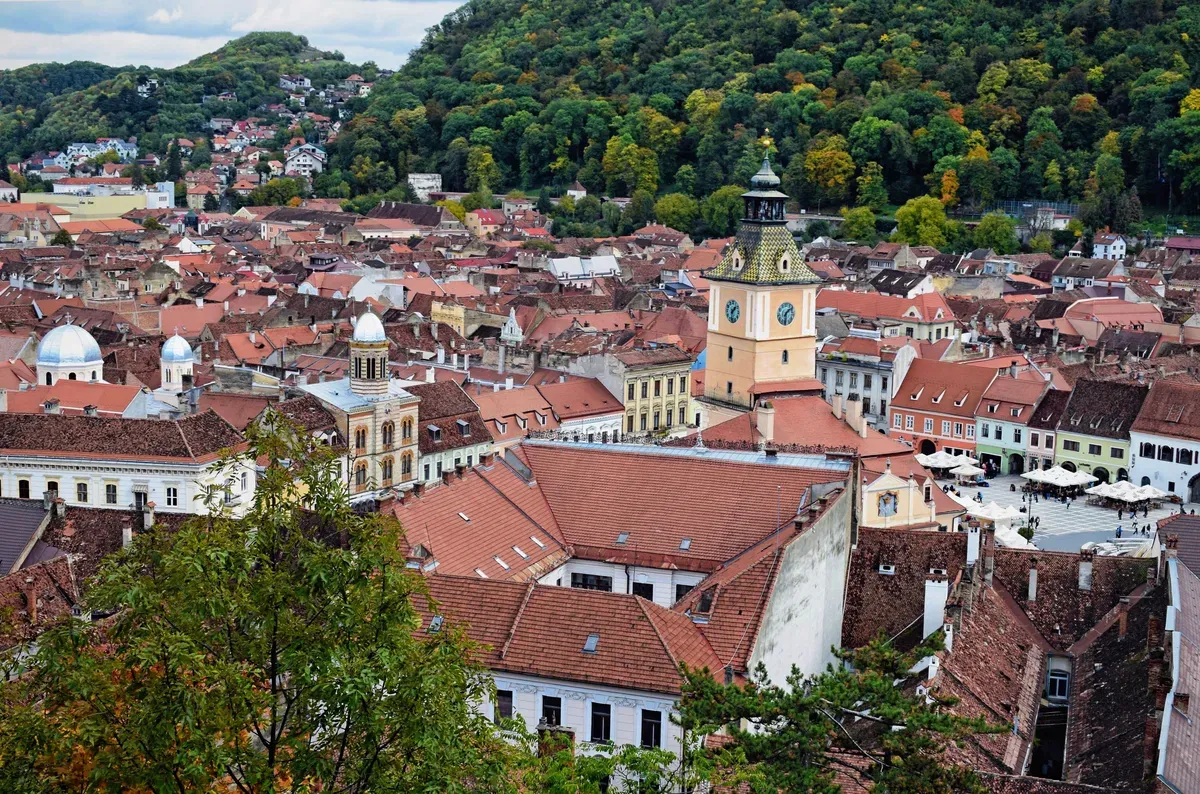
2-Day Transylvania from Bucharest: Brașov, Bran, Sighișoara
A 2-day trip from Bucharest through Transylvania: the old town of Brașov, Bran Castle (“Dracula’s Castle”) and the medieval citadel of Sighișoara.
* Prices are indicative and subject to seasonal variations or changes applied by the official provider. The exact price and availability are confirmed on the booking platform.
 Viator
4x4 Nature Tour in Dracula’s Land (1 Day)
A private one-day 4x4 adventure along mountain tracks and forests of Transylvania, departing from the Bucharest area (Otopeni).
* Prices are indicative and subject to seasonal variations or changes applied by the official provider. The exact price and availability are confirmed on the booking platform.
* Prices are indicative and subject to seasonal variations or changes applied by the official provider. The exact price and availability are confirmed on the booking platform.
Parks, Gardens and Views
The Botanical Garden, run by the university, has greenhouses, themed gardens and a small Japanese garden, and it is a peaceful break from the city. Central Park, with its lake and old Casino, is where locals go for a walk.
For the best view, climb Cetățuia Hill, just across the river from the centre, especially at sunset.
Student Life, Food and Festivals
Cluj is home to Babeș-Bolyai University, the largest in Romania, which gives the city a young atmosphere, with plenty of cafés, bars and restaurants. Try the local Cluj-style cabbage (varză à la Cluj), a baked dish of cabbage and minced meat; read our guide to Romanian food for more dishes.
In summer the city hosts big events such as the Transilvania International Film Festival and the Untold music festival. Accommodation fills up quickly on those dates, so book early.
Day Trips from Cluj-Napoca
Cluj is the best base for exploring northern and western Transylvania:
- Salina Turda, a huge salt mine turned into an underground park, about 45 minutes away. Read whether Salina Turda is worth it.
- Turda Gorge, a limestone canyon with a hiking trail, often combined with the salt mine.
- The Apuseni Mountains, with caves, karst landscapes and traditional villages.
- Corvin Castle in Hunedoara, one of the largest Gothic castles in Europe; read our Corvin Castle guide.
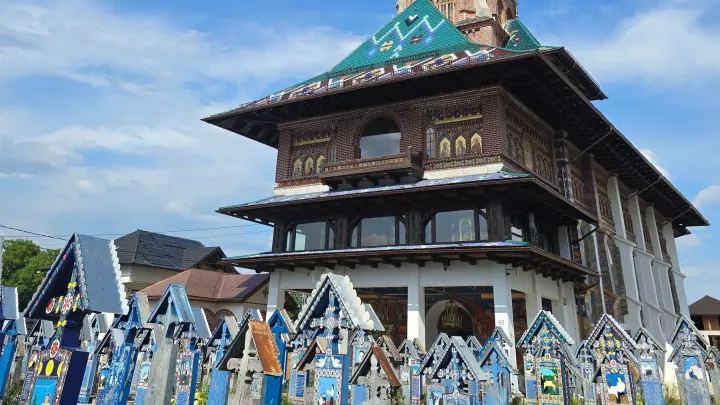
- Maramureș, with its wooden churches and the Merry Cemetery, better with an overnight stay.
How Many Days and Getting Around
One day is enough for the centre; with two days you can add the Botanical Garden, a museum and Cetățuia Hill at a slower pace. Add one more day for Salina Turda or the Apuseni Mountains.
The centre is compact and walkable. Cluj has a busy airport and train connections to Brașov, Sibiu and Bucharest, although trains can be slow; read how to get around Romania to plan your route.
Things to Do in Cluj-Napoca: FAQ
Is Cluj-Napoca worth visiting?
Yes. It has a lively historic centre, a young atmosphere, good food and some of the best day trips in Transylvania, such as Salina Turda and the Apuseni Mountains.
How many days do you need in Cluj-Napoca?
One or two days for the city, plus one more day for Salina Turda, Turda Gorge or the Apuseni Mountains.
How far is Salina Turda from Cluj-Napoca?
About 35 km, roughly 45 minutes by car. Guided day trips from Cluj often combine the salt mine with Turda Gorge.
What is Cluj-Napoca known for?
For being the unofficial capital of Transylvania, a major university city and the birthplace of King Matthias Corvinus, as well as for summer festivals such as Untold.
How do you get to Cluj-Napoca?
Cluj Avram Iancu International Airport has flights from many European cities. There are also trains and buses from Bucharest, Brașov and Sibiu.
What can you visit near Cluj-Napoca?
Salina Turda, Turda Gorge, the Apuseni Mountains, Alba Iulia and, further away, Corvin Castle and Maramureș.