Things to Do in Timișoara
Timișoara, in western Romania, is an elegant city of squares and Secession and Baroque buildings, often called “Little Vienna”. The top things to do are Victory Square with the Orthodox Cathedral, Union Square, the story of the 1989 Revolution, which began here, and a walk along the Bega Canal. See more regions in our guide to discovering Romania.
Below we go through the best sights, the city’s history, day trips nearby and how many days to plan.
Published:
Key facts
- Timișoara is one of Romania’s largest cities, in the Banat region near the borders with Serbia and Hungary.
- The 1989 Revolution that ended communism in Romania began in Timișoara.
- Must-sees: Victory Square, the Orthodox Cathedral, Union Square and the Bega Canal.
- It was European Capital of Culture in 2023 and was one of the first cities in Europe with electric street lighting.
- Plan 1–2 days for the city; Traian Vuia International Airport has flights to many European cities.
Timișoara’s Top Sights at a Glance
The historic centre is compact and easy to explore on foot:
| Sight | Why go |
|---|---|
| Victory Square | The main boulevard, between the National Opera and the Orthodox Cathedral |
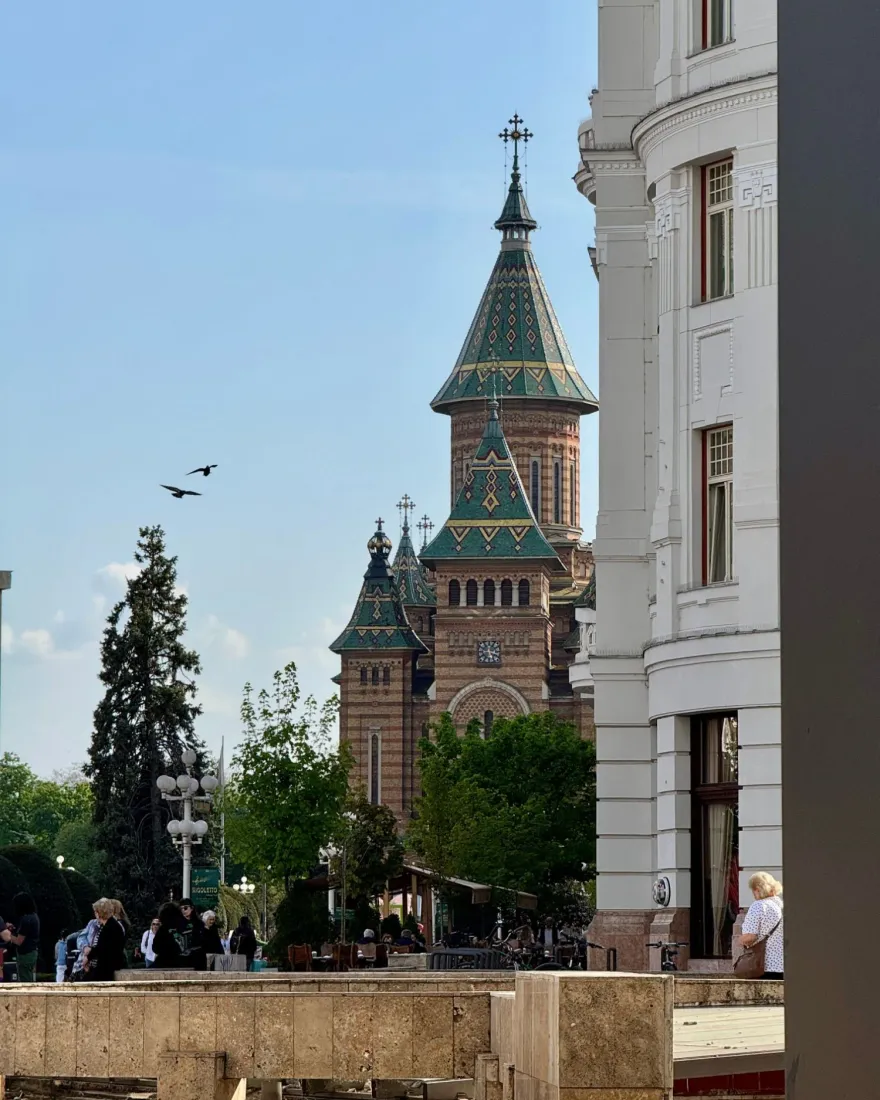
| Metropolitan Orthodox Cathedral | A huge cathedral with colourful tiled roofs |
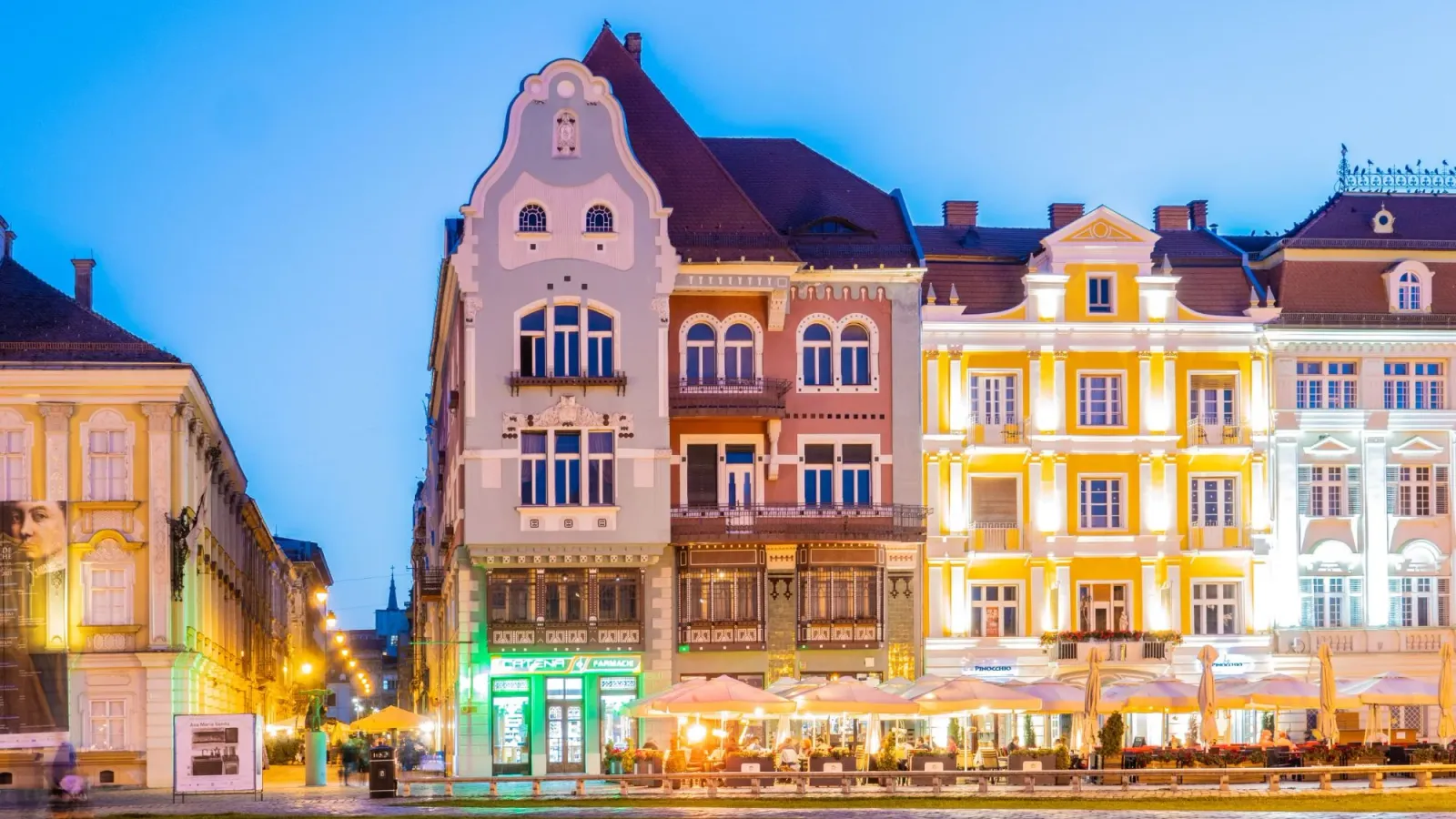
| Union Square | Baroque buildings, the Roman Catholic Cathedral and the Serbian Orthodox Cathedral |
| Liberty Square | A quieter square with historic buildings between the other two |
| 1989 Revolution Memorial | A museum about the revolution that began in the city |
| Bega Canal and parks | Riverside walks, the Roses Park and terraces |
Victory Square and the Orthodox Cathedral
Victory Square (Piața Victoriei) is a long pedestrian boulevard lined with Secession palaces, with the National Opera at one end and the Metropolitan Orthodox Cathedral at the other. The cathedral, with its colourful tiled roofs and tall towers, is one of the symbols of the city.
In December 1989, crowds gathered here during the protests that started the Romanian Revolution. Today the square is full of cafés and is the best place to start a walk.
More Tours in Romania
Our selection only includes one tour in Timișoara, the guided walk above. Elsewhere: a Salina Turda trip from Cluj-Napoca, a 2-day tour of Transylvania from Bucharest and a day trip to Sighișoara, Viscri and Rupea from Brașov.
We may earn a commission when you book through our links, at no extra cost to you. Bookings are handled directly by Viator. How we work.
 Viator
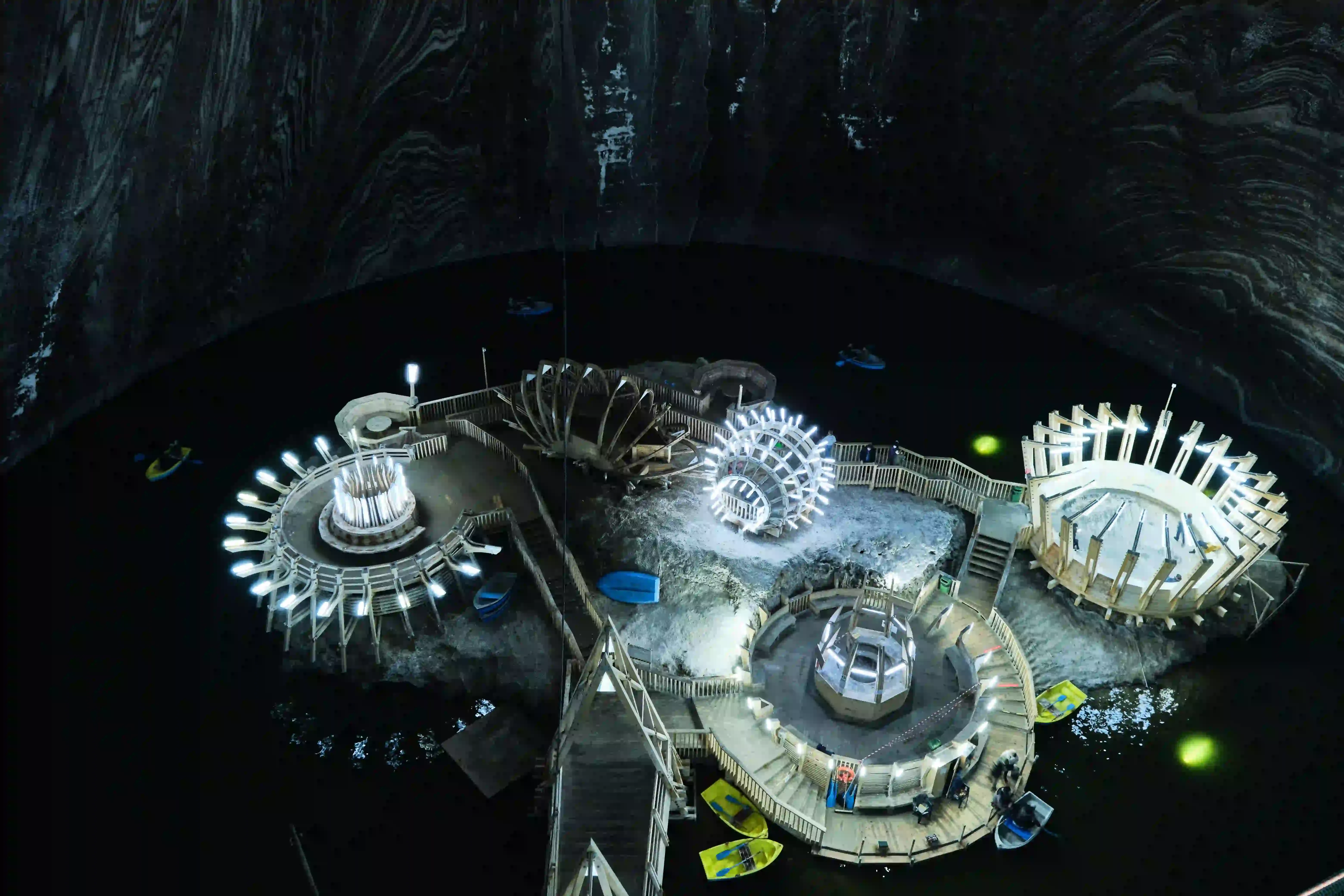
Curly Tour: Day Trip from Cluj to Turda Salt Mine & Turda Gorge
A day trip from Cluj-Napoca to the spectacular Turda Salt Mine (Salina Turda) and the dramatic limestone canyon of Turda Gorge.
* Prices are indicative and subject to seasonal variations or changes applied by the official provider. The exact price and availability are confirmed on the booking platform.
 Viator
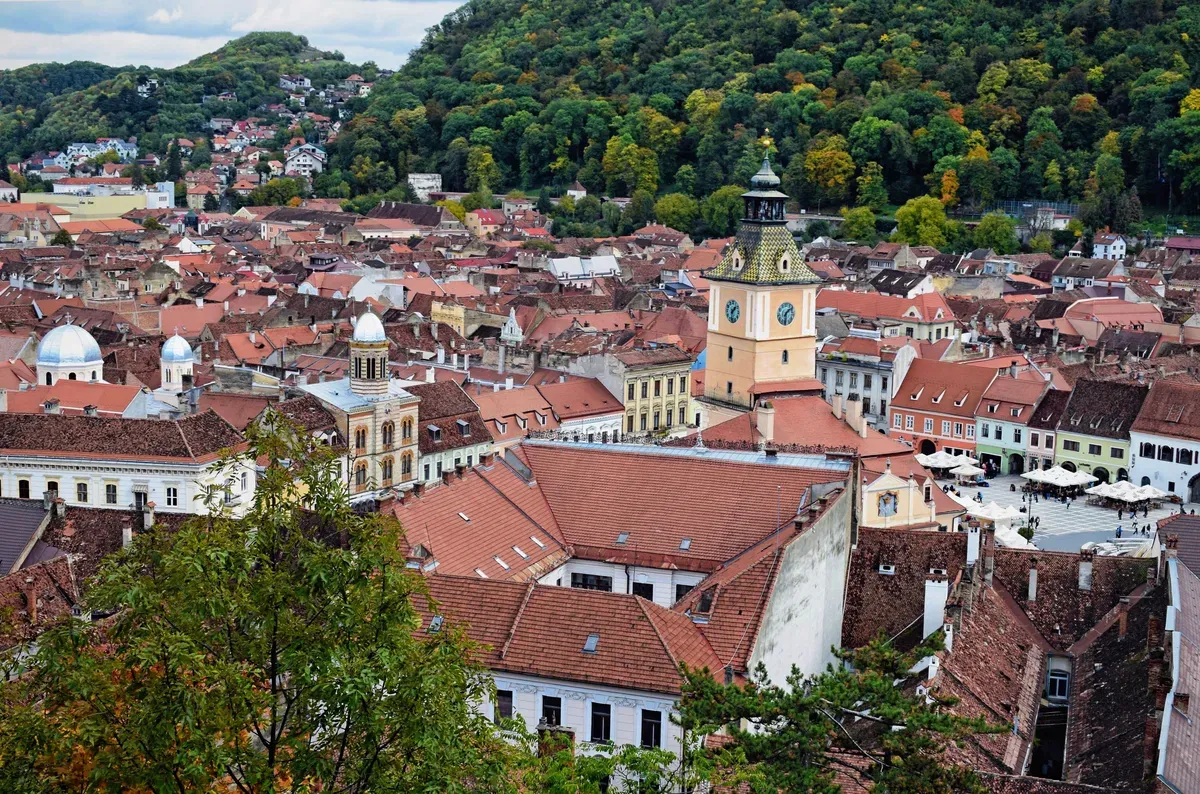
2-Day Transylvania from Bucharest: Brașov, Bran, Sighișoara
A 2-day trip from Bucharest through Transylvania: the old town of Brașov, Bran Castle (“Dracula’s Castle”) and the medieval citadel of Sighișoara.
* Prices are indicative and subject to seasonal variations or changes applied by the official provider. The exact price and availability are confirmed on the booking platform.
 Viator
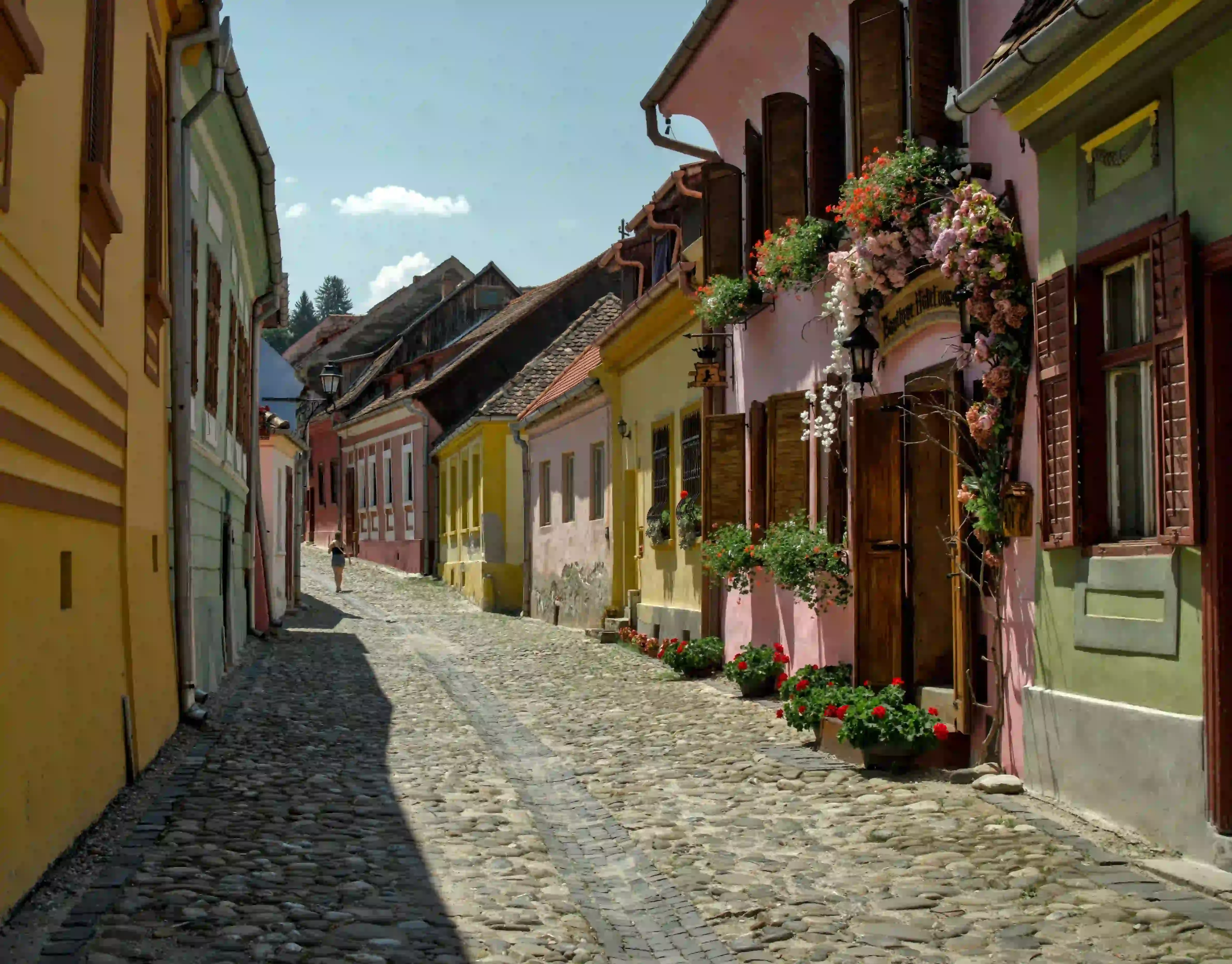
Small-Group Tour of Sighișoara, Viscri and Rupea from Brașov
A small-group day trip from Brașov to the medieval citadel of Sighișoara, the Saxon village of Viscri and Rupea Fortress: UNESCO heritage in one day.
* Prices are indicative and subject to seasonal variations or changes applied by the official provider. The exact price and availability are confirmed on the booking platform.
* Prices are indicative and subject to seasonal variations or changes applied by the official provider. The exact price and availability are confirmed on the booking platform.
Union Square and Liberty Square
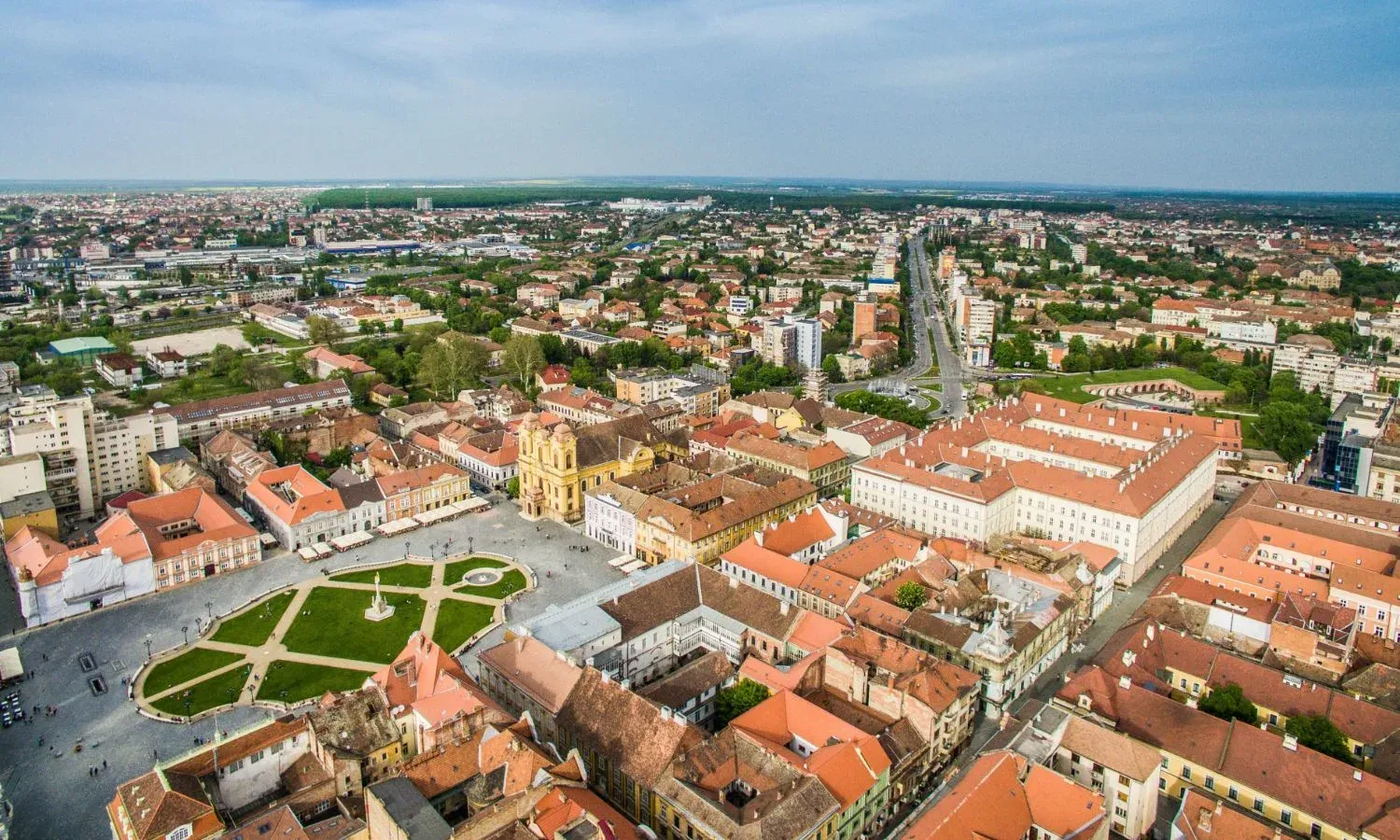
Union Square (Piața Unirii) is the oldest square in the city, surrounded by colourful Baroque buildings. Here you will find the Roman Catholic Cathedral, the Serbian Orthodox Cathedral and the Baroque Palace, home to the city’s art museum.
Between the two main squares, Liberty Square is smaller and quieter. Walking from one square to another shows the mix of Romanian, Hungarian, German and Serbian heritage that shaped Timișoara.
History: Little Vienna and the 1989 Revolution
For centuries Timișoara was part of the Habsburg Empire, which explains its Central European architecture and the nickname “Little Vienna”. In 1884 it became one of the first cities in Europe to light its streets with electricity.
In December 1989, protests in Timișoara sparked the revolution that ended communism in Romania. The Memorial of the Revolution tells this story with documents, photos and testimonies, and it is a moving visit.
The Bega Canal, Parks and Food
The Bega Canal crosses the city, with paths for walking and cycling and several parks along its banks, such as the Roses Park. In summer, terraces and boats bring the riverside to life.
Timișoara’s food reflects its mix of cultures, with Romanian, Hungarian, Serbian and Austrian influences. Nearby, the Recaș wine region is a good place to taste local wine; read our guide to Romanian wine.
Day Trips and How Many Days
One day is enough for the main squares; with two days you can add the Revolution Memorial, the parks and a museum at a slower pace. Timișoara is also a good base for exploring western Romania:
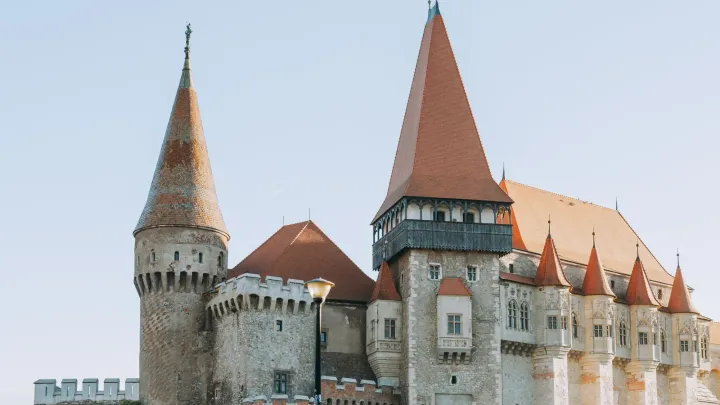
- Corvin Castle in Hunedoara, one of the largest Gothic castles in Europe, about 2.5–3 hours away. Read our Corvin Castle guide.
- The Danube Gorges, where the river cuts through the mountains on the border with Serbia, about 3 hours away.
- Recaș, with wineries close to the city.
- For longer routes, read how to get around Romania.
Things to Do in Timișoara: FAQ
Is Timișoara worth visiting?
Yes. It has elegant squares, a rich multicultural history and a relaxed atmosphere, and it was European Capital of Culture in 2023.
How many days do you need in Timișoara?
One day for the main squares and two days to add the Revolution Memorial, the parks and the Bega Canal at a slower pace.
Why is Timișoara called “Little Vienna”?
Because of its Habsburg past and its Central European architecture, with Baroque and Secession buildings around elegant squares.
What happened in Timișoara in 1989?
In December 1989, protests in Timișoara started the revolution that ended communism in Romania. The Memorial of the Revolution tells the story.
How do you get to Timișoara?
Traian Vuia International Airport has flights from many European cities. There are also trains and buses from Bucharest, Cluj-Napoca and other cities.
What can you visit near Timișoara?
Corvin Castle in Hunedoara, the Danube Gorges on the border with Serbia and the Recaș wine region.